China's decision to block helium exports on July 10, 2026 has transformed an already tight market into a structural supply challenge. Combined with the estimated two to five year repair timeline at Qatar's Ras Laffan production facilities, the global helium shortage now rests on two independent supply constraints instead of a single temporary disruption.
For hospitals, imaging centers and healthcare procurement teams, this development extends well beyond commodity pricing. Helium remains essential for keeping superconducting MRI magnets at extremely low operating temperatures, making reliable supply a critical part of healthcare infrastructure rather than a routine procurement item.
Why Helium Matters for MRI Systems
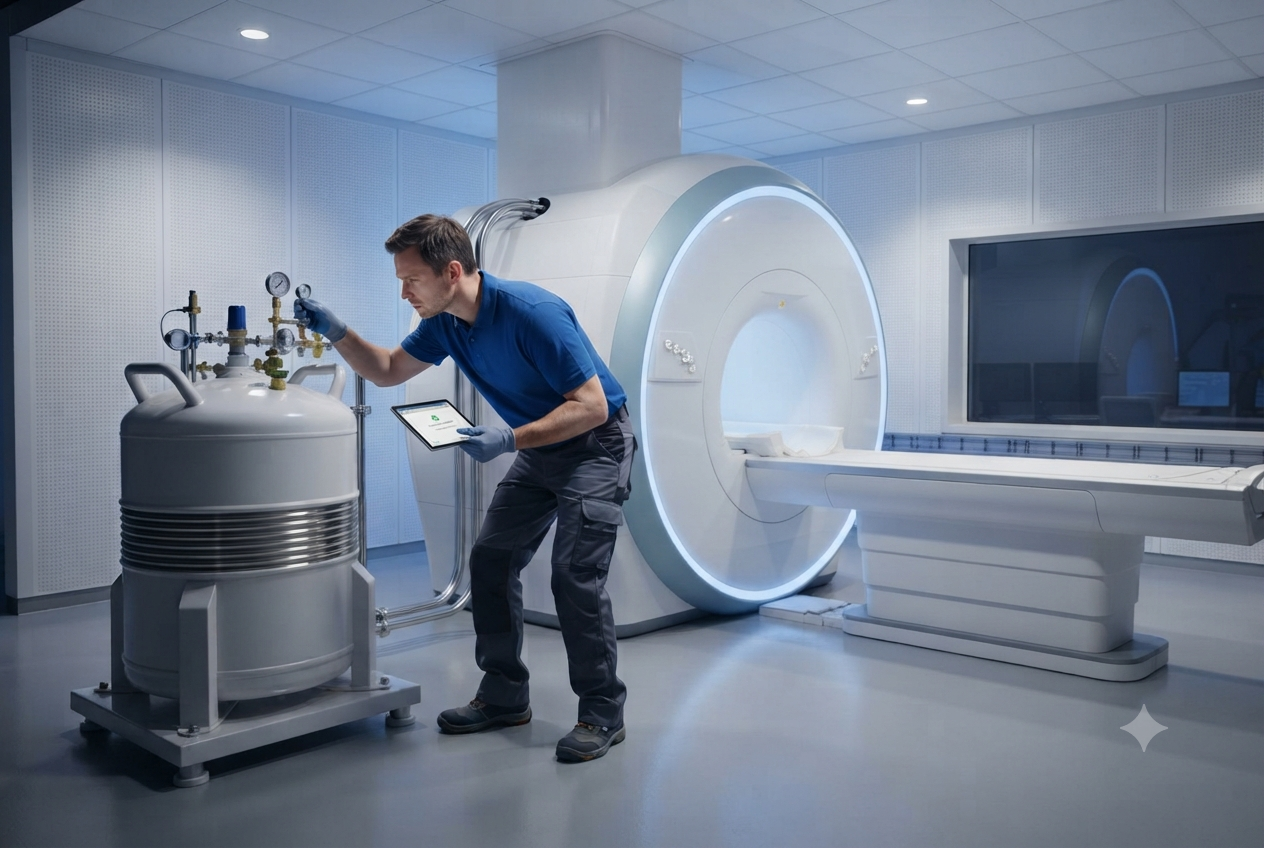
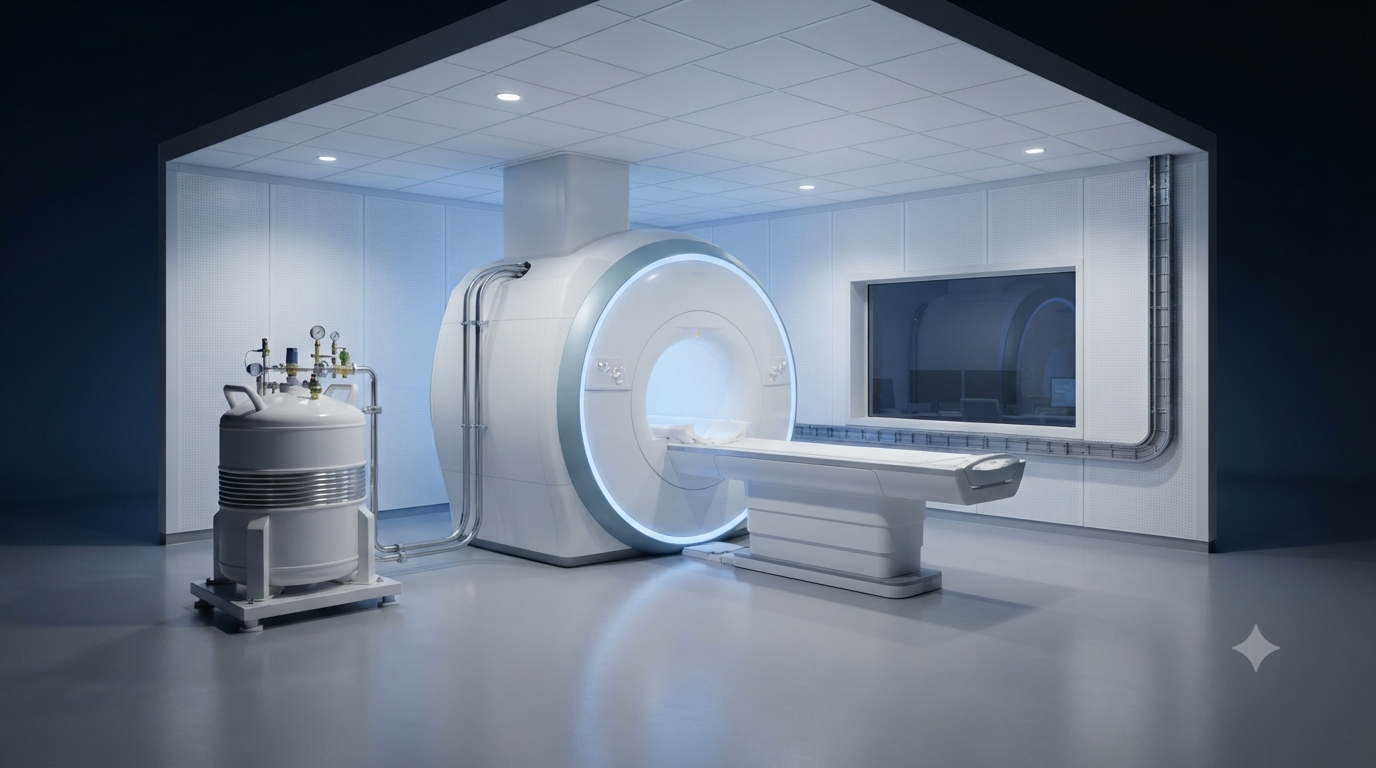
Liquid helium enables MRI magnets to maintain superconductivity by cooling them to temperatures close to absolute zero. Without these cryogenic conditions, MRI systems cannot operate safely or efficiently.
Although modern MRI systems consume less helium than older designs, they still experience natural evaporation known as helium boil off. Hospitals must periodically replenish liquid helium to maintain stable operation throughout the equipment's service life.
Any interruption in helium availability creates risks that extend beyond maintenance schedules. It can affect patient appointments, imaging capacity and equipment reliability.
Two Structural Causes Are Reshaping the Global Helium Market
Previous helium shortages often resulted from temporary production outages, transportation bottlenecks or maintenance shutdowns. Buyers generally expected supply conditions to normalize after several months.
The current situation differs because two long term factors now overlap.
China's export restrictions have removed an important source of helium from international trade, tightening global availability almost immediately.
Qatar's Ras Laffan production challenges are expected to continue for several years, limiting the return of significant export volumes.
These simultaneous disruptions reduce market flexibility and increase competition among industrial, scientific and healthcare buyers.
Instead of waiting for prices to stabilize naturally, procurement teams now need structural strategies that reduce dependence on continuous fresh helium supply.
Hospital Procurement Risks Continue to Grow
Healthcare organizations face unique challenges because MRI scanners cannot simply switch to alternative cooling materials.
Several procurement risks deserve immediate attention.
Existing supplier contracts may shift toward allocation models where hospitals receive limited volumes regardless of previous purchasing history.
Spot market purchases may become increasingly expensive and less predictable.
Longer delivery times can complicate maintenance planning across multiple hospital locations.
Smaller imaging providers may face greater supply uncertainty than large healthcare networks with established purchasing agreements.
These risks make inventory visibility more valuable than ever before.
Assessing Current Helium Inventory Across MRI Sites
The first practical response involves understanding existing helium resources.
Hospitals operating multiple MRI facilities should create a complete inventory covering every scanner, storage vessel and maintenance schedule. Procurement teams should coordinate with biomedical engineering departments to identify current fill levels, historical consumption rates and expected replenishment dates.
This information allows organizations to prioritize supply toward equipment supporting emergency care, oncology, trauma and other essential diagnostic services.
Inventory reviews should include:
Current liquid helium volume available at each site.
Average consumption and boil off rates for each MRI system.
Scheduled preventive maintenance activities.
Existing supplier delivery commitments.
Emergency reserve capacity for unexpected demand.
Helium Recovery Systems Become a Strategic Investment
Many hospitals previously viewed helium recovery systems as optional efficiency upgrades. Current market conditions change that calculation considerably.
These systems capture helium released through natural boil off, purify it and prepare it for reuse. While installation requires capital investment, reduced helium consumption can improve long term supply resilience.
Benefits include:
Lower dependence on external helium deliveries.
Reduced operating costs over the equipment lifetime.
Improved protection against future supply disruptions.
Better sustainability by reducing helium losses.
Large hospital networks operating multiple MRI scanners may achieve particularly strong returns through centralized recovery infrastructure.
Operating MRI Magnets More Efficiently
Engineering teams may also review operating procedures that reduce helium consumption without compromising patient safety.
Potential measures include optimizing maintenance intervals, reducing unnecessary magnet warm ups and reviewing operating protocols for systems with lower clinical demand.
Any operational adjustments should involve equipment manufacturers, service providers and hospital engineering specialists to ensure compliance with technical specifications.
The objective is not simply to consume less helium but to preserve system reliability throughout an extended supply shortage.
Building Stronger Supplier Relationships
Supplier relationships now represent an important element of risk management.
Hospitals should engage directly with helium suppliers to understand allocation policies, contractual priorities and emergency delivery capabilities. Procurement professionals should also evaluate supplier diversification where practical.
Important discussion points include:
Allocation mechanisms during supply shortages.
Minimum guaranteed delivery volumes.
Contract duration and renewal conditions.
Regional storage availability.
Contingency planning for emergency replenishment.
Organizations that maintain transparent communication with suppliers often gain better visibility into future market developments.
Longer Term Procurement Planning
The current helium shortage highlights the importance of strategic procurement rather than reactive purchasing.
Healthcare organizations should incorporate helium availability into capital equipment planning, particularly when evaluating future MRI investments. Procurement teams may also compare new MRI technologies that feature reduced helium consumption or sealed magnet designs where appropriate.
Long term planning should balance acquisition cost, maintenance requirements, helium demand and expected service life.
Future purchasing decisions increasingly depend on total ownership costs rather than equipment price alone.
What Hospital Procurement Teams Should Do Now
The combination of China's export restrictions and prolonged production constraints at Qatar's Ras Laffan facility signals that helium supply challenges will likely remain part of the healthcare landscape for years rather than months.
Hospital procurement leaders should move quickly by:
Reviewing helium inventory across every MRI installation.
Confirming supplier allocation arrangements under current market conditions.
Evaluating helium recovery technologies for high volume imaging facilities.
Working with engineering teams to optimize helium management protocols.
Including helium supply resilience within future MRI procurement decisions.
Organizations that act early will place themselves in a stronger position to maintain uninterrupted diagnostic imaging services while navigating an increasingly constrained global helium market.
Ready to source helium from verified global suppliers? Explore competitive offers on our platform today.