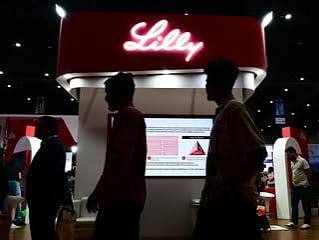
Indianapolis-based Eli Lilly has made business development a major part of its 2026 growth strategy, using its strong financial position to acquire promising biotech assets across multiple therapeutic areas. The company's second-quarter results confirmed that it completed acquisitions of Orna Therapeutics, Ajax Therapeutics, Centessa Pharmaceuticals and Kelonia Therapeutics during Q2, while also pursuing additional deals later in the year.
The Ajax transaction is one of the clearest examples of Lilly's targeted approach. Announced on April 27, Lilly agreed to acquire Ajax for up to $2.3 billion, including upfront and milestone payments. The deal brought AJ1-11095, a first-in-class Type II JAK2 inhibitor in Phase 1 development, into Lilly's pipeline for myelofibrosis and polycythemia vera.
The Strategy Extends Beyond One Deal
Lilly's acquisition activity has covered several emerging technology platforms rather than concentrating on a single therapeutic area. Orna brought an in-vivo CAR-T and circular-RNA platform, while Kelonia added another in-vivo cell-therapy technology. Centessa expanded Lilly's pipeline through a portfolio of clinical-stage programs. Together, these transactions show Lilly using acquisitions to supplement its internal R&D with external technologies that could become future growth drivers.
Oncology and Hematology Have Been Important Targets
Ajax also demonstrates Lilly's growing interest in blood cancers. The company highlighted its expanding hematology portfolio at the 2026 European Hematology Association meeting, where Ajax's first clinical data for AJ1-11095 were presented alongside other Lilly programs. Early Phase 1 results showed encouraging safety and clinical activity, although the program remains at an early development stage.
The Spending Has Continued Beyond Q2
Lilly's dealmaking did not stop with its spring acquisitions. In July, the company agreed to acquire AtaiBeckley to strengthen its neuroscience pipeline, with the transaction focused on treatments for treatment-resistant depression. This continued activity illustrates that Lilly's acquisition strategy is broader than the oncology-focused transactions that attracted attention earlier in the year.
The Intelligence Takeaway
Lilly's 2026 acquisition spree reflects a deliberate pipeline diversification strategy backed by substantial cash generation. Ajax is important not because it is Lilly's largest transaction, but because it shows how the company is willing to acquire relatively early-stage programs with differentiated scientific approaches. With multiple acquisitions completed and additional deals announced, Lilly is positioning itself to convert today's blockbuster-driven cash flow into tomorrow's pipeline growth.