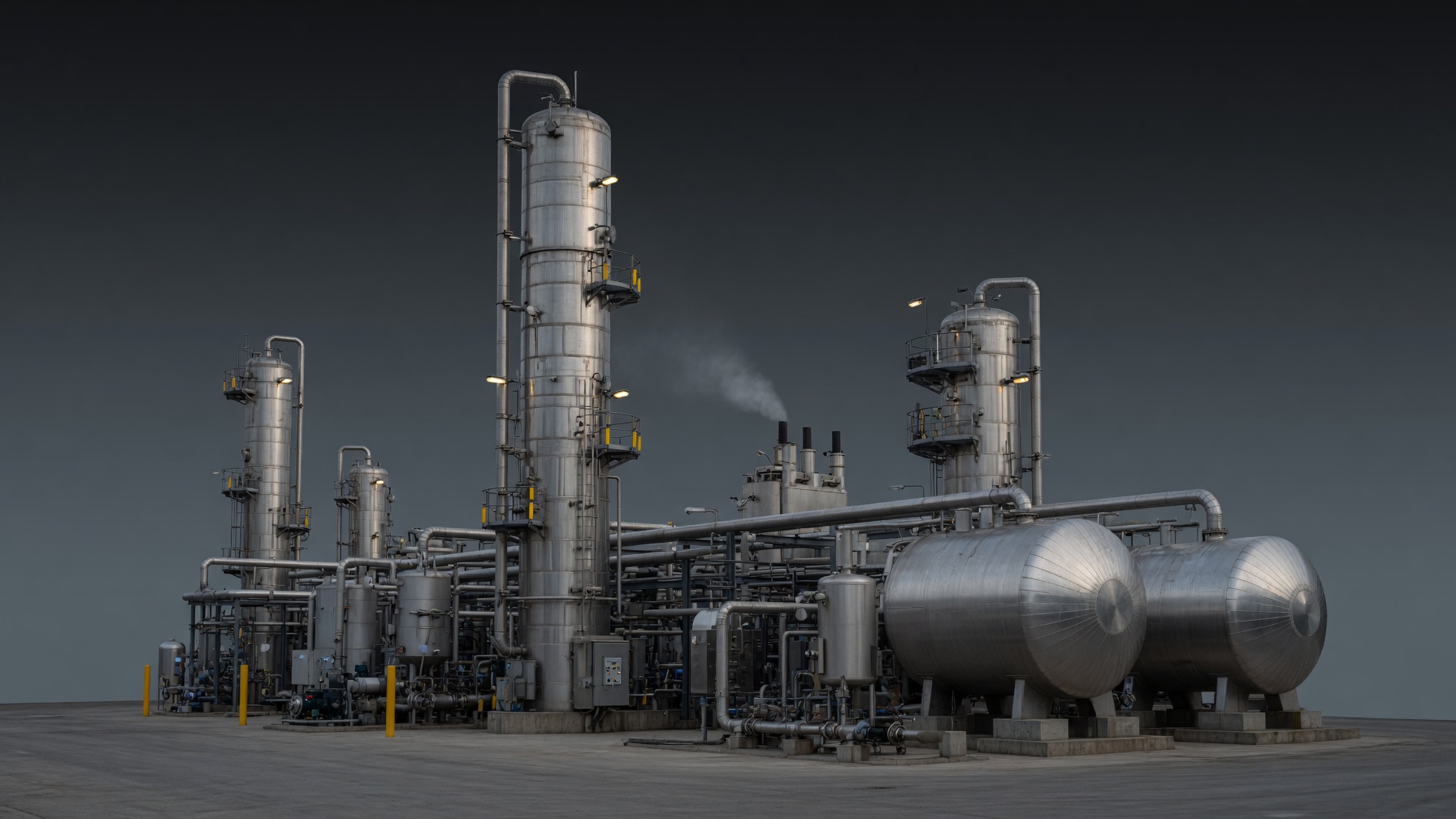
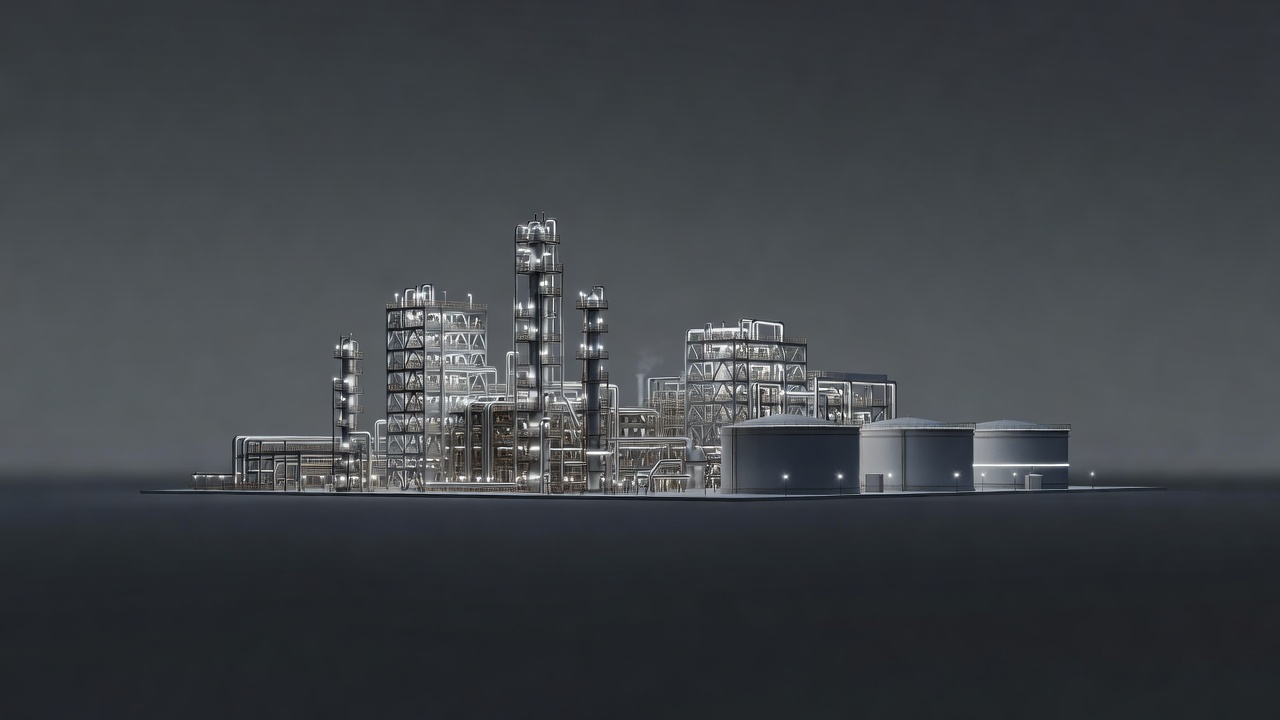
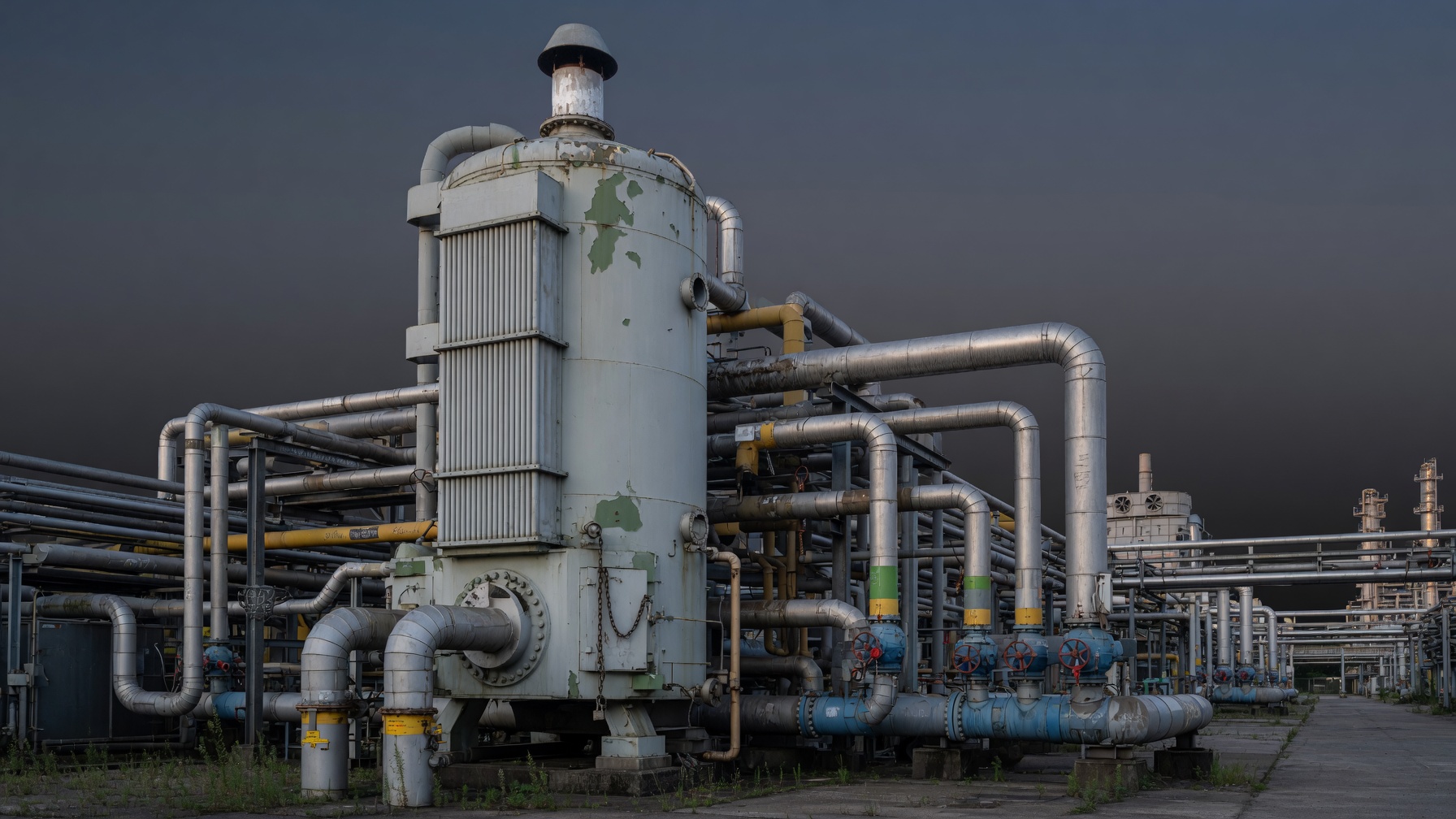
Manufacturing innovation continues to reshape the global polymer industry. Lubrizol's addition of LED-driven chlorination reactors at its Louisville, Kentucky facility represents a significant investment in the production of chlorinated polyvinyl chloride (CPVC), demonstrating how process technology can strengthen manufacturing performance while supporting long-term production capability.
For procurement professionals, investments in manufacturing technology deserve attention alongside capacity expansions. Production upgrades often improve operational efficiency, product consistency and supply reliability, all of which influence long-term sourcing decisions.
Why CPVC Is an Important Engineering Polymer
Chlorinated polyvinyl chloride (CPVC) is widely used because of its excellent resistance to heat, pressure and corrosion.
Major applications include:
Hot and cold water piping.
Industrial process piping.
Fire sprinkler systems.
Chemical handling equipment.
Commercial construction.
Industrial fluid transport.
Its performance characteristics make CPVC a preferred material for demanding piping systems where conventional PVC may not be suitable.
How Chlorination Creates CPVC
CPVC is produced by further chlorinating conventional polyvinyl chloride resin, increasing the chlorine content of the polymer.
This process improves:
Because chlorination is a critical manufacturing step, improvements in reactor technology can directly influence production quality and efficiency.
Why LED-Driven Reactor Technology Matters
Modern manufacturing facilities increasingly adopt advanced technologies to improve production performance while enhancing process control.
Potential advantages of upgraded reactor systems include:
More consistent operating conditions.
Improved production efficiency.
Better process control.
Greater manufacturing reliability.
Enhanced product consistency.
Although every production technology has its own operating characteristics, investments in modern equipment generally support more stable manufacturing performance over time.
Procurement Teams Should Monitor Manufacturing Investments
Production upgrades often provide valuable insight into a supplier's long-term strategy.
Buyers should evaluate:
Suppliers that continue investing in manufacturing assets are often better positioned to support long-term customer requirements.
Process Innovation Supports Supply Chain Stability
Technology investments influence more than production efficiency.
For downstream customers, modern manufacturing facilities may offer:
Greater production consistency.
Improved product quality.
More reliable delivery performance.
Better operational resilience.
Increased confidence in long-term supply.
These factors become increasingly valuable as procurement teams evaluate suppliers beyond simple pricing comparisons.
Infrastructure Demand Continues to Support CPVC Markets
CPVC remains an important material for construction, industrial processing and infrastructure development.
As investment continues in:
Demand for reliable CPVC production is expected to remain an important consideration for manufacturers and procurement professionals alike.
What Polymer Buyers Should Do Now
Lubrizol's investment in LED-driven chlorination reactors illustrates how manufacturing technology can strengthen long-term competitiveness in the polymer industry. Procurement teams should monitor process innovation alongside production capacity, as facility modernization often improves operational reliability, product quality and supply continuity.
Organizations that include manufacturing capability within supplier evaluations will be better positioned to build resilient sourcing strategies while supporting consistent product performance across critical applications.
Ready to source PVC resin and polymer materials from verified global suppliers? Explore competitive offers on our platform today.