The global chemical industry is witnessing a fundamental structural shift at its European heart. In May 2026, BASF CEO Markus Kamieth confirmed that full-time equivalent staff at the Ludwigshafen site dropped below 30,000 for the first time since 1954. This milestone is not the result of a single dramatic layoff announcement. It represents the cumulative effect of closing down expensive and underutilized plants at the company’s largest integrated site.
For procurement managers and chemical traders, this distinction is critical. A one-time restructuring event suggests a temporary disruption. Cumulative plant closures indicate a permanent reduction in capacity for specific product lines. Buyers must adjust their long-term sourcing strategies to account for this new reality.
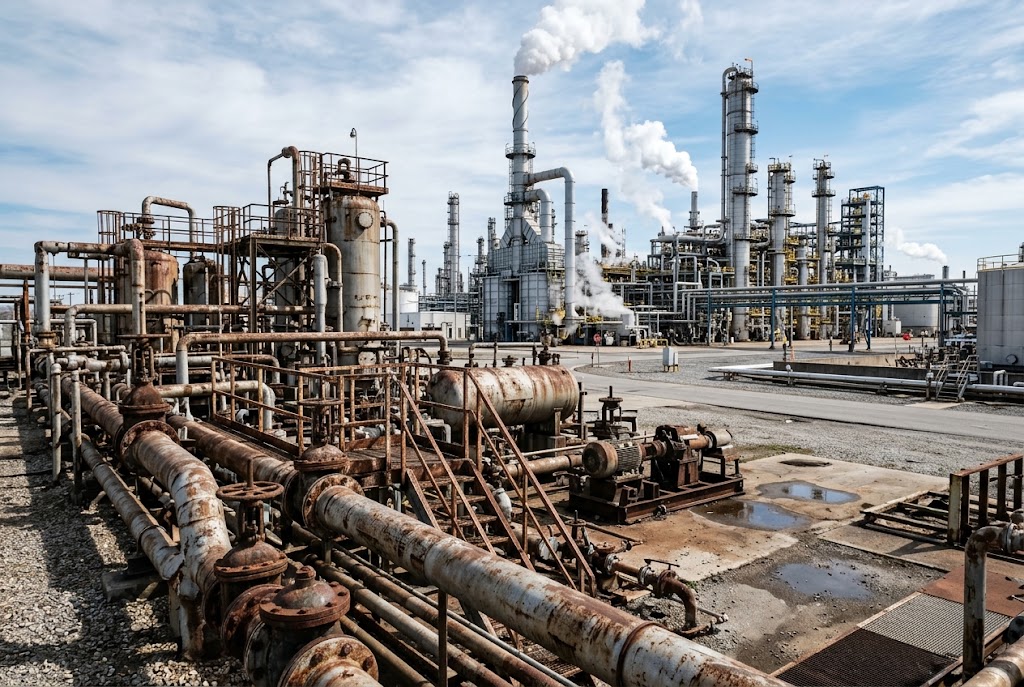
The Ludwigshafen complex has long been the flagship of European chemical production. Its famous Verbund system links production units to maximize efficiency. However, high energy costs and shifting market demands have rendered some legacy units economically unviable. The gradual shutdown of these assets explains the steady decline in workforce numbers over recent years.
Understanding the Cumulative Nature of the Decline
The CEO’s clarification that this is not a single restructuring event changes how buyers should interpret the data. It signals a deliberate and ongoing portfolio optimization. BASF is systematically exiting low-margin or energy-intensive businesses that no longer fit its strategic vision.
This approach minimizes sudden supply shocks but creates a slow bleed of capacity. Products manufactured in the closed units will not suddenly disappear from the market. Instead, their availability will gradually tighten as production shifts to other sites or ceases entirely.
Procurement teams must identify which specific chemicals are produced in the affected units. Mapping these products to the closed facilities allows buyers to anticipate supply gaps before they become critical. Proactive sourcing is far more effective than reactive crisis management in this environment.
Key Drivers Behind the Plant Closures
Several macroeconomic factors are forcing the closure of underutilized plants at Ludwigshafen. European energy prices remain significantly higher than those in North America or the Middle East. Energy-intensive basic chemical production has become increasingly uncompetitive in this region.
High operational costs: Legacy plants often lack the energy efficiency of newer facilities. Running them at partial capacity drives up unit costs dramatically.
Regulatory pressure: Stricter environmental regulations in the European Union increase compliance costs for older infrastructure.
Market saturation: Demand for certain bulk commodities has stagnated or declined in mature markets.
These drivers make it economically rational to shut down specific units rather than attempt costly upgrades. The capital saved from these closures is being redirected toward high-growth areas like battery materials and specialty polymers.
Impact on Specific Chemical Product Lines
The closure of specific plants directly affects the supply of certain chemical families. Buyers sourcing from Ludwigshafen should pay close attention to the following categories.
Basic intermediates: Production of foundational building blocks may be consolidated into fewer remaining units. This consolidation can create temporary bottlenecks during the transition.
Commodity polymers: Standard-grade plastics produced in older facilities are likely to see reduced output. Buyers may need to switch to alternative grades or suppliers.
Specialty chemicals: High-value products are generally protected from closures. However, shared utility systems may face strain if supporting infrastructure is scaled back.
Understanding the specific product mix of the closed plants is essential. Buyers should request detailed continuity plans from their suppliers to ensure uninterrupted access to critical materials.
The gradual nature of these closures offers a window for preparation. However, it also risks complacency. Buyers might assume that supply will remain stable until the final shutdown date. In reality, maintenance spending and workforce morale often decline in units slated for closure.
This can lead to unexpected quality issues or unplanned outages before the official closure date. Procurement teams should increase quality control checks for products sourced from affected units. Diversifying suppliers early mitigates the risk of sudden quality failures.
Building strong relationships with alternative suppliers is crucial. Securing capacity in other regions provides a safety net if Ludwigshafen output drops faster than anticipated. Contract negotiations should include clauses that address supply continuity during asset divestment or closure.
The Shift Toward Specialty and High-Value Products
BASF’s strategy involves shifting focus from bulk commodities to high-margin specialty chemicals. This transition requires different production capabilities and a more skilled workforce. The remaining employees at Ludwigshafen are likely being retrained for these advanced roles.
For buyers, this means the product portfolio available from Ludwigshafen will evolve. Standard bulk chemicals may become harder to source from this site. Conversely, availability of advanced materials and custom formulations may improve.
Procurement strategies must align with this shift. Companies relying heavily on bulk commodities from Ludwigshafen should explore alternative sources. Those needing specialty chemicals may find new opportunities for collaboration and innovation with the producer.
Regional Implications for European Chemical Sourcing
The downsizing at Ludwigshafen reflects broader trends in the European chemical industry. Other major producers are also evaluating their asset footprints in response to high energy costs and regulatory pressures. Buyers should expect similar announcements from competitors in the coming months.
This regional contraction increases reliance on imports from Asia and North America. Global supply chains will become more complex as Europe reduces its self-sufficiency in basic chemicals. Logistics planning must account for longer lead times and higher freight costs associated with intercontinental shipping.
Diversifying geographic sourcing is no longer optional. It is a strategic imperative for maintaining supply chain resilience. Buyers who cling to single-region sourcing models face significant disruption risks.
Regulatory and Sustainability Considerations
Plant closures also intersect with sustainability goals. Shutting down inefficient units reduces the overall carbon footprint of the site. This aligns with corporate ESG targets and regulatory requirements for emissions reduction.
However, the environmental impact of decommissioning old plants must be managed carefully. Proper disposal of hazardous materials and remediation of contaminated sites are critical. Buyers should verify that suppliers adhere to strict environmental standards during the closure process.
Sustainability credentials are becoming a key factor in supplier selection. Producers that manage closures responsibly and invest in green technologies will maintain a competitive edge. Procurement teams should factor ESG performance into their vendor evaluation criteria.
The Bottom Line for Procurement Teams
The drop in BASF Ludwigshafen headcount below 30,000 is a clear indicator of structural change. It reflects the cumulative closure of expensive and underutilized plants rather than a single layoff event. This gradual reduction in capacity requires proactive adaptation from chemical buyers.
Procurement teams must identify affected product lines, diversify suppliers and adjust inventory strategies. Ignoring these signals invites supply disruptions and cost increases. Embracing flexibility and strategic sourcing ensures resilience in a changing market landscape.
Ready to source styrene monomer from verified global suppliers? Explore competitive offers on our platform today.