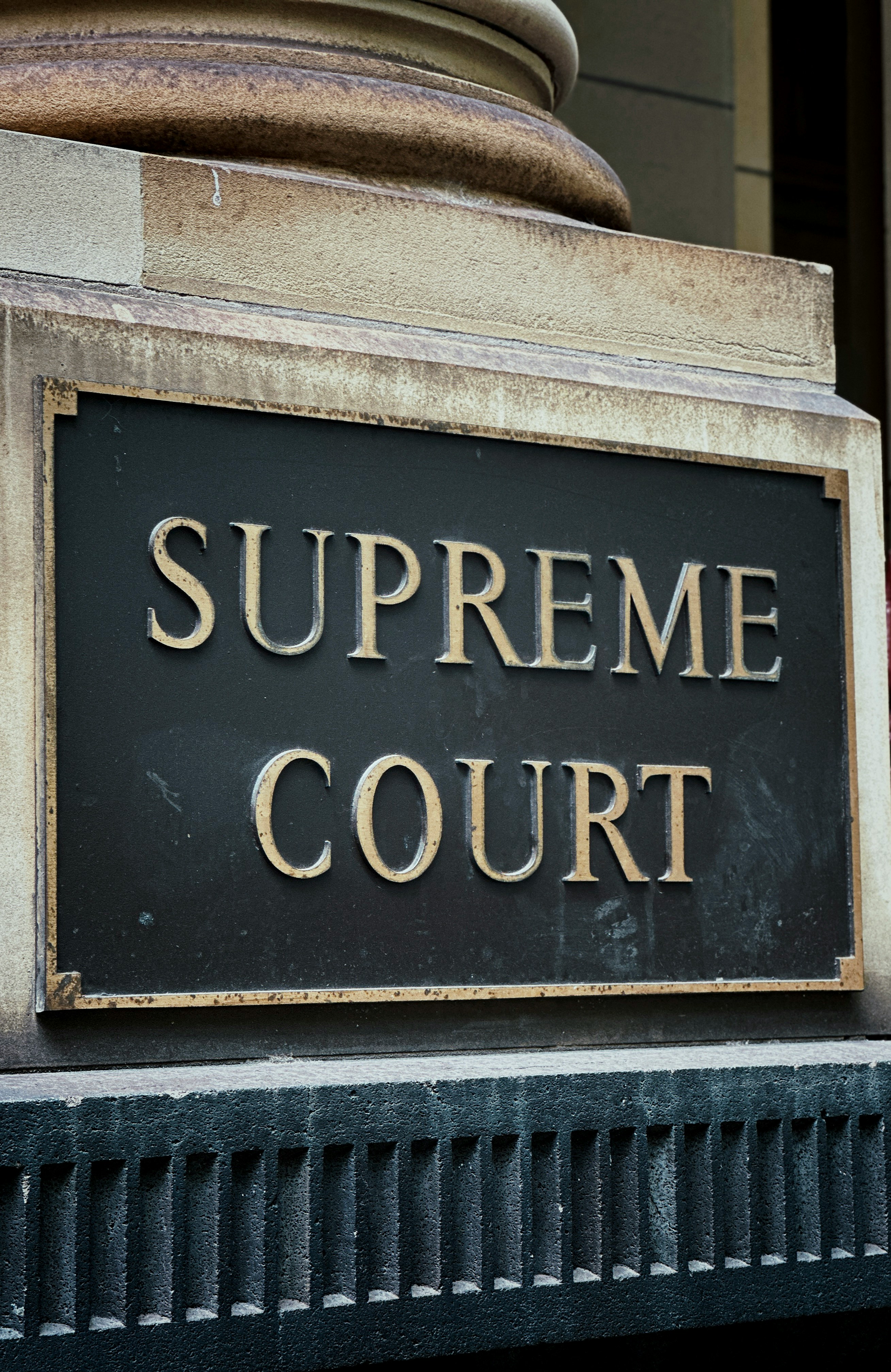
MAHA Movement Reacts With Frustration to the Bayer Supreme Court Victory
Introduction
The U.S. Supreme Court's recent ruling in favor of Bayer has sparked strong reactions from across the agricultural, legal, and public health communities. Among the most vocal critics is the Make America Healthy Again (MAHA) movement, which argues that the decision could make it more difficult for individuals to pursue certain state-law claims against pesticide manufacturers.
Supporters of the ruling, however, view it as a reaffirmation of federal regulatory authority and the importance of maintaining consistent pesticide labeling standards under the Federal Insecticide, Fungicide, and Rodenticide Act (FIFRA). The differing responses highlight the ongoing debate over pesticide safety, regulatory oversight, and corporate accountability.
Why the MAHA Movement Is Concerned
The MAHA movement has expressed frustration because it believes the ruling may reduce legal options for individuals who claim they were harmed by glyphosate-based herbicides.
Key concerns raised by supporters include:
Limiting certain state-law failure-to-warn lawsuits against pesticide manufacturers.
Increasing reliance on federally approved product labels.
Reducing opportunities for state courts to require additional health warnings.
Potentially making it more difficult for plaintiffs to seek compensation through state legal claims.
The movement argues that consumers should have access to robust legal remedies when they believe products have caused harm.
Supporters of the Decision See Regulatory Consistency
Supporters of the Supreme Court's ruling emphasize that pesticide labels approved by the U.S. Environmental Protection Agency (EPA) are based on scientific review and federal regulatory standards.
According to supporters, the decision:
Reinforces nationwide consistency in pesticide labeling.
Prevents conflicting warning requirements across different states.
Reduces legal uncertainty for manufacturers.
Supports a science-based federal regulatory framework.
Encourages innovation within the agricultural chemicals industry.
They argue that allowing individual states to impose different labeling standards could create confusion for manufacturers, distributors, and users of crop protection products.
What the Ruling Means for Bayer
For Bayer, which continues to face thousands of glyphosate-related lawsuits, the ruling may strengthen its legal position in certain cases involving failure-to-warn claims.
Potential implications include:
Stronger Legal Defense
The company may continue relying on federal preemption arguments where EPA-approved labels are central to the dispute.
Reduced Litigation Uncertainty
The decision could influence how lower courts evaluate similar claims involving federally regulated pesticide labels.
Greater Regulatory Confidence
The ruling reinforces the importance of complying with EPA registration and labeling requirements.
Broader Implications for the Agricultural Industry
The effects of the decision extend beyond Bayer.
Pesticide Manufacturers
Companies with EPA-approved products may gain greater legal certainty regarding federally compliant labeling.
Farmers
Farmers continue to rely on federally registered pesticides while regulatory agencies evaluate product safety using scientific evidence.
Agricultural Retailers and Distributors
Businesses throughout the supply chain may benefit from more consistent labeling requirements across the United States.
Regulators
The decision reinforces the EPA's central role in establishing pesticide labeling standards and overseeing product registration.
The Debate Is Likely to Continue
Despite the Supreme Court's ruling, public discussion surrounding glyphosate remains active.
Several issues are expected to remain under debate:
Ongoing scientific research into glyphosate safety.
Future EPA reviews and regulatory decisions.
Remaining product liability lawsuits.
Federal versus state authority in product regulation.
Public confidence in pesticide oversight.
Legal experts expect future court cases to further clarify how the ruling applies to different types of product liability claims.
Conclusion
The Supreme Court's decision in Bayer's favor has intensified debate between advocates of stronger consumer protections and supporters of a uniform federal regulatory system. While the MAHA movement has criticized the ruling as limiting certain legal avenues for plaintiffs, supporters argue that it strengthens the authority of EPA-approved pesticide labeling and promotes consistent national standards.
As glyphosate litigation and regulatory discussions continue, the ruling is likely to influence future legal strategies, pesticide regulation, and the broader conversation about balancing public health concerns with regulatory certainty in the agricultural chemicals industry.