Ranking 2026's Chemical Industry Talent Pipeline Concerns: St. John's Closure Joins the List
Introduction
The chemical industry is facing a growing workforce challenge in 2026 as talent shortages, an aging labor force, and changing education trends continue to affect the availability of skilled professionals. Adding to these concerns is the closure of St. John's University's College of Pharmacy and Health Sciences campus in Hauppauge, New York, a development that has sparked discussions about the future pipeline of graduates entering science and industry-related careers.
While one campus closure alone will not determine the industry's future, it highlights the broader need for continued investment in education, workforce development, and skills training.
Why the Talent Pipeline Matters
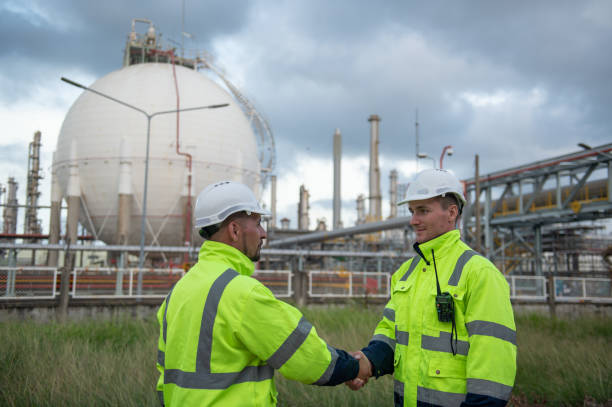
The chemical industry depends on a highly skilled workforce across research, manufacturing, engineering, quality assurance, and supply chain management.
A strong talent pipeline helps companies:
Drive innovation
Maintain safe operations
Improve manufacturing efficiency
Support digital transformation
Meet sustainability goals
Without a steady flow of qualified professionals, businesses may face increasing recruitment and operational challenges.
Key Workforce Challenges in 2026
Several factors are contributing to talent pipeline concerns across the chemical sector:
Retirement of experienced professionals
Shortages of STEM graduates
Growing demand for digital and automation skills
Competition for highly skilled workers
Evolving regulatory and sustainability requirements
These trends are encouraging companies to rethink how they attract, develop, and retain talent.
The Significance of St. John's Closure
The closure of the Hauppauge campus reflects the pressures facing some higher education institutions, including changing enrollment patterns and shifting resource priorities.
For the chemical and life sciences sectors, developments like this reinforce the importance of maintaining strong partnerships between industry and educational institutions to ensure students continue to have access to relevant training and career opportunities.
How the Industry Is Responding
Chemical manufacturers are taking proactive steps to strengthen the future workforce by:
Expanding internship and apprenticeship programs
Partnering with universities and technical colleges
Investing in employee upskilling
Supporting STEM education initiatives
Increasing digital and automation training
These efforts help prepare the next generation of professionals while improving workforce resilience.
Looking Ahead
As manufacturing becomes increasingly digital and sustainability continues to reshape the industry, demand for skilled professionals is expected to grow. Companies that invest in talent development, continuous learning, and collaboration with educational institutions will be better positioned to address future workforce needs.
Building a strong talent pipeline will remain a strategic priority for maintaining innovation and long-term competitiveness.