
Market Insight
Jun 23, 2026schedule5 Min Read
Water Treatment Specialty Chemicals: Post-Crisis Desalination
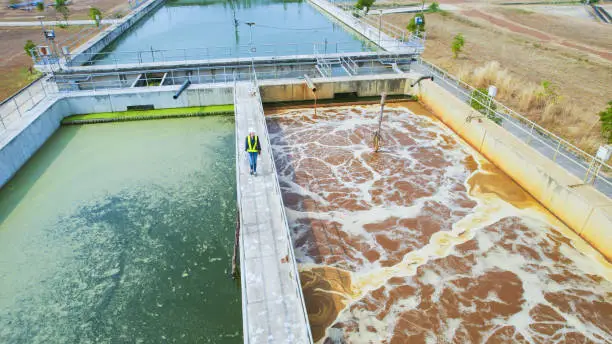
GCC desalination infrastructure which provides 99% of drinking water in Qatar and Kuwait, 90%+ in Bahrain,70% in UAE
Full Reportarrow_forward

prodchem
Jun 9, 2026
The rise in methanol futures has become one of the most important developments in the chemical market during 2026. China methanol futures climbed to CNY 3,370 per tonne, reaching their highest level since October 2021 and signaling growing concern about global supply availability.
Unlike many chemical price movements driven by routine market cycles, this rally stems from a major geopolitical and supply chain disruption. The combination of reduced Iranian exports, shipping constraints in the Strait of Hormuz and growing concerns among downstream industries has transformed methanol into one of the most closely watched commodities in the chemical sector. This article explains what caused the surge, who faces the greatest impact and what buyers should monitor going forward.
Methanol ranks among the world's most widely traded petrochemicals. Producers manufacture it primarily from natural gas, although some regions also use coal and other feedstocks.
The chemical serves as a building block for numerous downstream products. Manufacturers use methanol to produce formaldehyde, acetic acid, methyl methacrylate and various industrial chemicals that support construction, automotive and consumer industries.
The fuel sector also depends heavily on methanol. Biodiesel manufacturers use it during transesterification processes that convert vegetable oils and animal fats into renewable fuel products.
Methanol plays an important role in energy transition initiatives as well. Several countries continue exploring methanol as a marine fuel and alternative energy carrier, increasing strategic interest in global supply availability.
Because so many industries rely on methanol, disruptions within the market can quickly spread throughout multiple supply chains.
Global methanol demand remained strong throughout 2026 despite economic uncertainty in some industrial sectors.
China continues to dominate global consumption. The country uses methanol extensively across chemical manufacturing, fuel blending and industrial production. As a result, developments affecting Chinese supply often influence worldwide pricing.
A significant portion of China's imported methanol originates from Iran. Industry estimates indicate that at least half of Chinese methanol imports depend on Iranian supply, making the country particularly vulnerable to disruptions affecting exports from the Middle East.
Demand from chemical manufacturing remains steady. Producers continue purchasing methanol for downstream products that support construction materials, packaging, automotive components and consumer goods.
The energy sector has become another important demand driver. Biodiesel production programs across Asia continue creating substantial methanol consumption requirements.
These strong demand fundamentals left the market vulnerable to any major supply interruption. When disruptions emerged, prices responded quickly.
The primary catalyst behind the surge in methanol futures involves supply disruption linked to Iran and regional shipping routes.
The Strait of Hormuz serves as one of the world's most important energy and chemical transportation corridors. A blockade affecting this strategic passage immediately raised concerns about the movement of methanol and other petrochemical products.
When shipping routes face disruption, buyers often react by securing additional inventory. This behavior can rapidly increase short-term demand and accelerate price increases.
The market also responded to concerns about Iranian exports. Since Iran supplies a substantial share of methanol imports into Asia, any interruption creates significant uncertainty for downstream buyers.
QatarEnergy's declaration of force majeure on affected shipments added further concern. Market participants interpreted the announcement as evidence that logistical disruptions were becoming more severe and widespread.
The combination of reduced supply visibility, transportation uncertainty and heightened purchasing activity created ideal conditions for a sharp rally in futures prices.
Market psychology amplified the movement. As prices continued rising, additional buyers entered the market to secure supply before costs increased further.
The importance of Iran within the global methanol market cannot be overstated.
Iran has invested heavily in methanol production capacity over the past decade. Competitive natural gas feedstocks and large-scale facilities have enabled the country to become a major supplier to Asian markets.
China relies particularly heavily on Iranian material. Many Chinese buyers depend on regular shipments to support manufacturing operations and maintain stable inventories.
The Strait of Hormuz represents the critical export pathway connecting Gulf producers with international markets. Any disruption along this route immediately affects shipping schedules, delivery reliability and market confidence.
When the blockade interrupted normal shipping activity, uncertainty spread throughout the supply chain. Traders, importers and industrial consumers began reassessing procurement strategies and inventory requirements.
Even buyers not directly sourcing from Iran felt the impact. Global markets tend to reprice risk quickly when a major supplier experiences disruptions.
As a result, the supply issue evolved from a regional challenge into a global market concern.
Methanol supports one of the most diverse customer bases in the chemical industry.
Chemical manufacturers represent the largest consumer group. They use methanol as a feedstock for numerous derivatives that support manufacturing and industrial production.
Producers of formaldehyde, acetic acid and specialty chemicals rely heavily on stable methanol supply. Any increase in feedstock costs eventually affects downstream product pricing.
The biodiesel sector has emerged as another critical consumer. Indonesia's biodiesel industry, one of the largest in the world, depends on methanol to convert palm oil into renewable fuel.
The recent supply disruption created challenges for biodiesel producers. Higher methanol costs increase production expenses and can reduce margins throughout the renewable fuels sector.
Marine fuel developers, energy companies and alternative fuel projects also continue expanding methanol consumption.
This diverse demand structure means that supply disruptions affect industries far beyond traditional chemical manufacturing.
Several risks continue shaping the methanol market outlook.
Geopolitical instability remains the most immediate concern. Any further escalation affecting Middle Eastern production or transportation routes could create additional supply constraints.
Shipping disruptions represent another major challenge. Chemical supply chains rely on predictable transportation networks, and prolonged delays can increase costs throughout the value chain.
Procurement teams face difficult inventory decisions. Companies must balance the risk of higher future prices against the financial burden of holding larger inventories.
Energy prices also influence methanol economics. Since natural gas serves as the primary feedstock for many facilities, changes in energy markets can affect production costs and profitability.
Environmental regulations continue evolving as well. Governments worldwide are encouraging cleaner industrial processes and lower-emission fuels, creating both opportunities and compliance challenges for methanol producers and consumers.
The interconnected nature of global chemical supply chains means that disruptions often spread beyond their original source, affecting markets in unexpected ways.
The outlook for methanol will depend heavily on the resolution of current supply disruptions.
If shipping routes normalize and Iranian exports return to expected levels, markets could stabilize. Additional supply availability would help reduce uncertainty and ease pressure on prices.
However, buyers should not assume an immediate return to previous conditions. Supply chains require time to recover from major disruptions, particularly when strategic transportation routes become involved.
Demand fundamentals remain strong. Chemical manufacturing, biodiesel production and emerging energy applications continue supporting long-term methanol consumption growth.
Regional diversification may become a priority for many buyers. Companies that rely heavily on a single source region may seek alternative suppliers to reduce future risk exposure.
Investment in new production capacity could also accelerate. Higher prices often encourage producers to expand output and pursue new projects.
For now, market participants should expect elevated volatility as geopolitical developments and shipping conditions continue influencing supply expectations.
The recent surge in methanol futures demonstrates how quickly global chemical markets can react to supply disruptions. A combination of Iranian export uncertainty, Strait of Hormuz shipping constraints and strong downstream demand pushed prices to their highest level in more than four years.
Procurement teams should evaluate supplier diversification strategies and review inventory policies. Companies with significant methanol exposure may benefit from strengthening relationships with suppliers in multiple regions.
Market monitoring has become increasingly important. Developments affecting Middle Eastern exports, shipping routes and energy markets will likely continue influencing methanol pricing in the months ahead.
While current conditions present challenges, they also provide valuable lessons about supply chain resilience and risk management. Organizations that prepare proactively will be better positioned to navigate future disruptions.
Found this useful?
Continue Reading
GCC desalination infrastructure which provides 99% of drinking water in Qatar and Kuwait, 90%+ in Bahrain,70% in UAE

Cyclohexane is produced by benzene hydrogenation and is the primary feedstock for both caprolactam

Chemical price forecasting methods range from simple regression models to complex agent-based simulations. There are primary methodologies used by ICIS,Procurement Resource and IMARC.