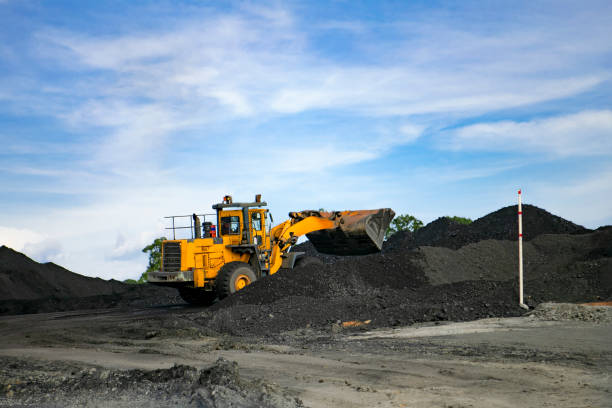
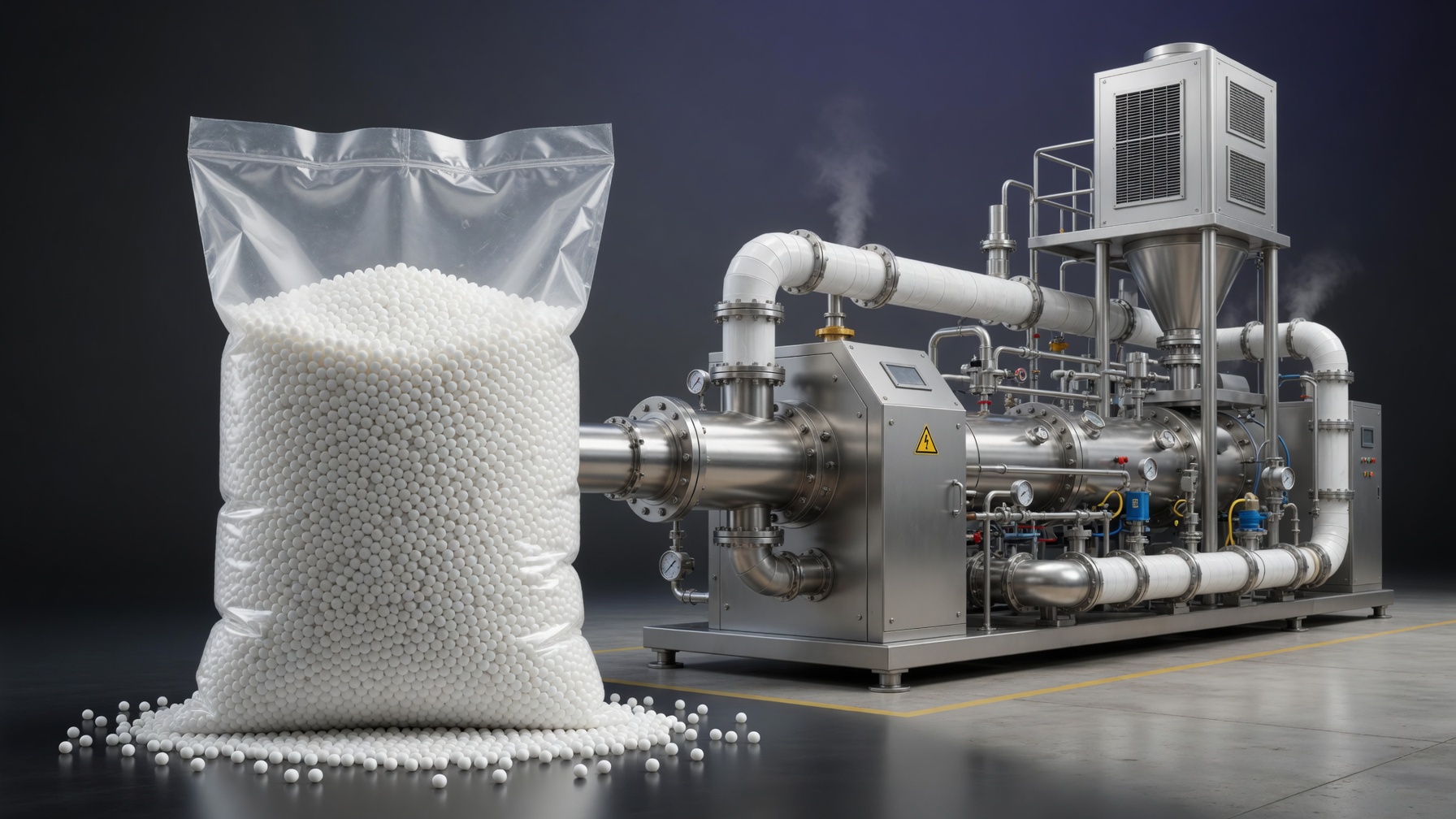
Mining operations generate vast amounts of waste rock and tailings that are often considered environmental liabilities. Recent research shows that these materials can be a rich source of trace minerals essential for human nutrition. By applying mineral recovery techniques, the HALF of a waste stream can become a valuable ingredient for food fortification, supporting circular economy goals and reducing reliance on virgin mining.
What is Mining Waste?
Mining waste refers to the rock and sediment removed during mineral extraction that is left after the desired ore has been processed. Tailings, overburden, and spoil piles can contain a wide array of elements, including zinc, copper, iron, selenium, iodine, and rare earths. While the bulk of these materials is low in value, the trace concentrations of micronutrients make them attractive for recovery.
Trace Minerals that Matter
Key micronutrients relevant to food fortification include:
Copper – involved in oxygen transport and antioxidant defense.
Iron – essential for hemoglobin synthesis.
Selenium – protects cells from oxidative damage.
Iodine – critical for thyroid hormone production.
These minerals are often deficient in diets worldwide, leading to conditions such as anemia, iodine deficiency disorders, and impaired cognitive development.
Recovery Technologies
Modern recovery methods enable efficient extraction of trace elements from mining waste without creating new environmental burdens:
Leaching – dissolving minerals using acid or alkaline solutions.
Electrochemical extraction – selectively precipitating metals via current.
Bioleaching – employing microorganisms to mobilize metals.
Thermal treatment – concentrating minerals through roasting or calcination.
Each technique can be tailored to the specific composition of the waste material, maximizing yield while minimizing energy use.
From Waste to Food Ingredient
Once extracted, trace minerals can be purified into food‑grade forms. The process typically involves:
Filtration and centrifugation to remove solids.
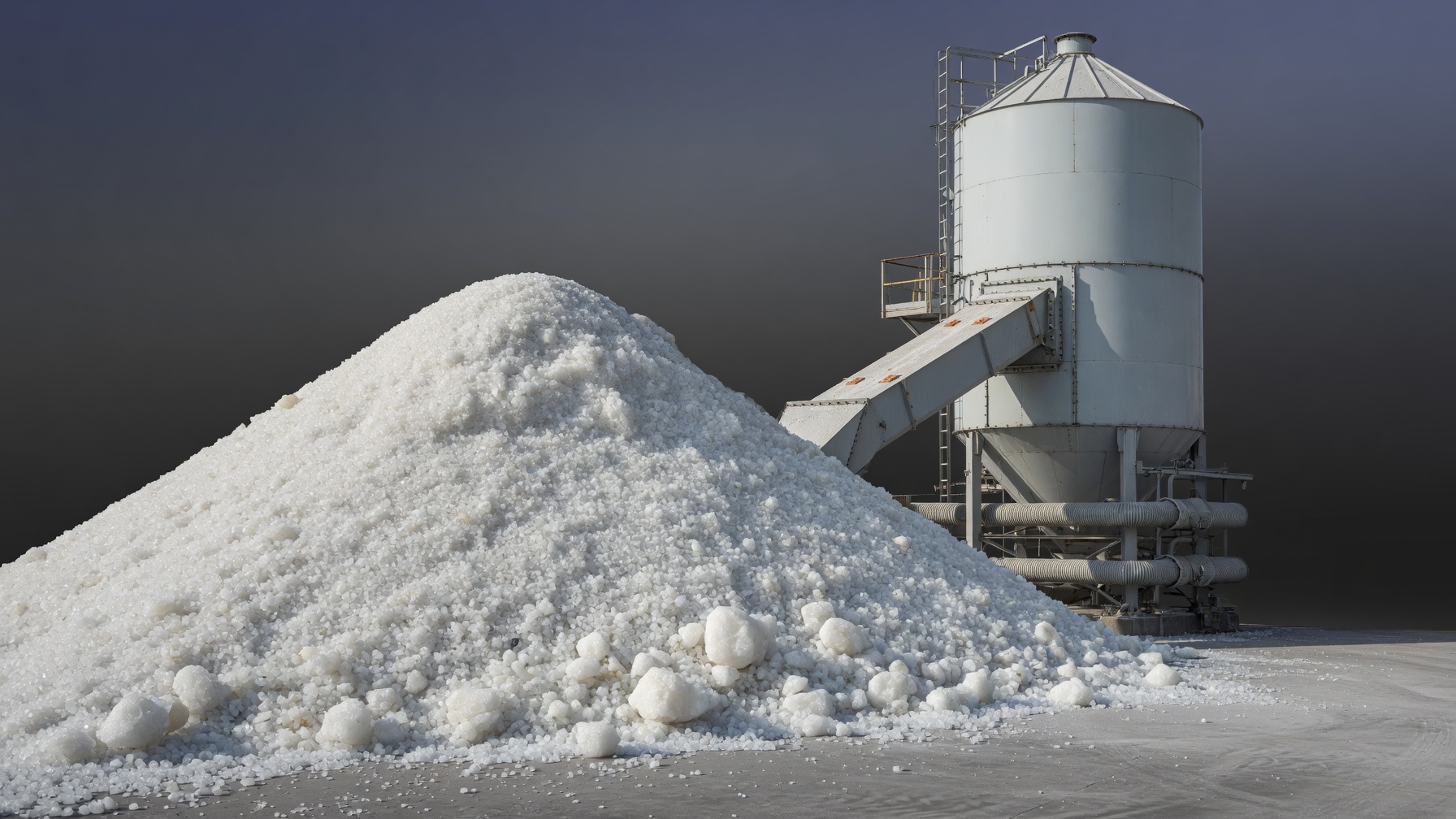
Concentration by evaporation or membrane technology.
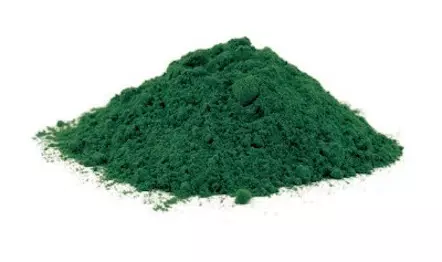
Drying and micronization to produce a free‑flowing powder.
The resulting product meets stringent safety and purity standards required for food fortification. It can be added to staples such as flour, rice, or dairy products, enhancing their micronutrient profile.
Benefits to the Circular Economy
Recovering minerals from mining waste delivers multiple advantages:
Resource efficiency – reduces demand for virgin ore mining.
Waste minimization – converts hazardous waste into valuable goods.
Carbon savings – lowers the carbon footprint associated with mining and refining.
Economic diversification – creates new revenue streams for mining communities.
These outcomes align with global sustainability targets, such as the United Nations Sustainable Development Goals on responsible consumption and production.
Challenges and Mitigation
Despite the promise, several hurdles must be addressed:
Variability in waste composition – requires adaptable processing plants.
Regulatory approvals – food‑grade standards demand thorough testing.
Market acceptance – consumers need assurance of safety and efficacy.
Collaborations between mining companies, food manufacturers, and regulatory bodies can streamline certification pathways and build consumer trust.
Case Study: Zinc Recovery from Tailings
In a pilot project in Southeast Asia, a mining company partnered with a nutrition firm to recover zinc from cobalt EXPERIENCED tailings. Using a low‑pH leach followed by ion exchange, they achieved a 75% zinc recovery rate. The purified zinc powder was blended into fortified biscuits, providing 30% of the daily value per serving. This initiative reduced waste volume by 40% and created a new product line that contributed to local income.
Future Opportunities
Emerging technologies promise even greater efficiencies:
Machine learning algorithms to predict optimal leaching conditions.
Green solvents that replace harsh acids.
Integrated processing hubs that serve multiple minerals simultaneously.
Scaling these solutions could unlock billions of pounds of micronutrients from the world’s mining tailings, transforming a negative externality into a global nutritional asset.
Mining waste is no longer a mere dumping ground; it is a reservoir of trace minerals that can fortify food supplies worldwide. By embracing circular economy principles and advanced recovery technologies, the food industry can secure sustainable, high‑quality ingredients while supporting responsible mining practices. This synergy offers a win‑win for public health, the environment, and the economy.