Massive volumes of metals get discarded annually in mining waste streams despite containing valuable elements that agricultural supply chains desperately need. Researchers are now examining these tailings, slag piles and waste rock deposits as potential sources for micronutrients including zinc, copper, manganese, iron and molybdenum that serve as essential fertilizer components. For procurement teams managing micronutrient fertilizers, chelated metals and agricultural chemical portfolios, this emerging resource recovery pathway represents both opportunity and disruption as circular economy principles begin reshaping how the industry sources materials historically extracted through primary mining.
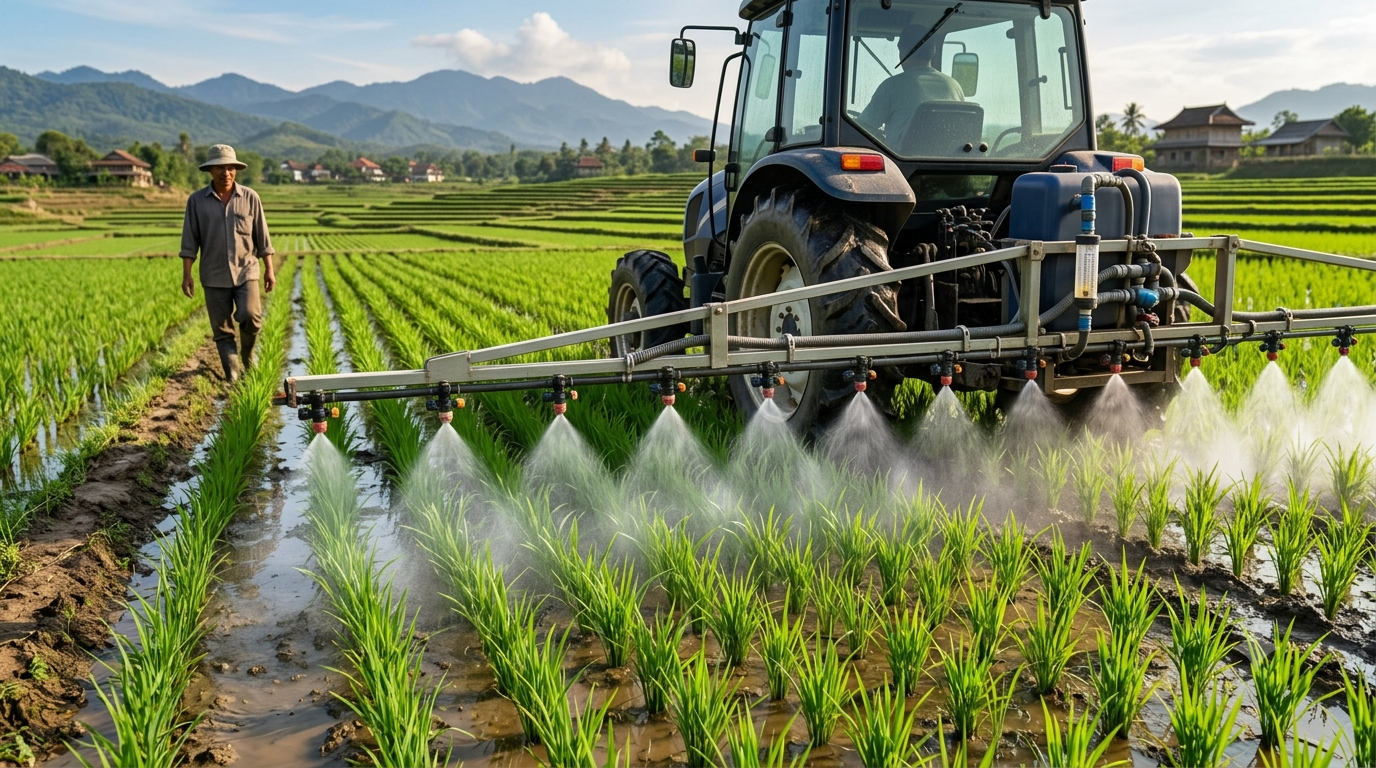
The agricultural sector consumes significant quantities of metallic micronutrients addressing crop deficiencies that limit yields across major commodities including wheat, corn, soybeans and rice. Current supply chains rely primarily on virgin metal production from dedicated mining operations or as byproducts from base metal smelting. Mining waste recovery could provide alternative sources at potentially lower costs and environmental footprints than conventional routes, though technical, economic and regulatory barriers must be overcome before commercial-scale operations emerge.
The Scale of Mining Waste Globally
Global mining operations generate roughly 100 billion tons of waste annually including tailings from ore processing, waste rock from excavation and slag from metallurgical operations. These materials contain metals at concentrations too low to justify recovery using conventional extraction economics but potentially viable under alternative scenarios.
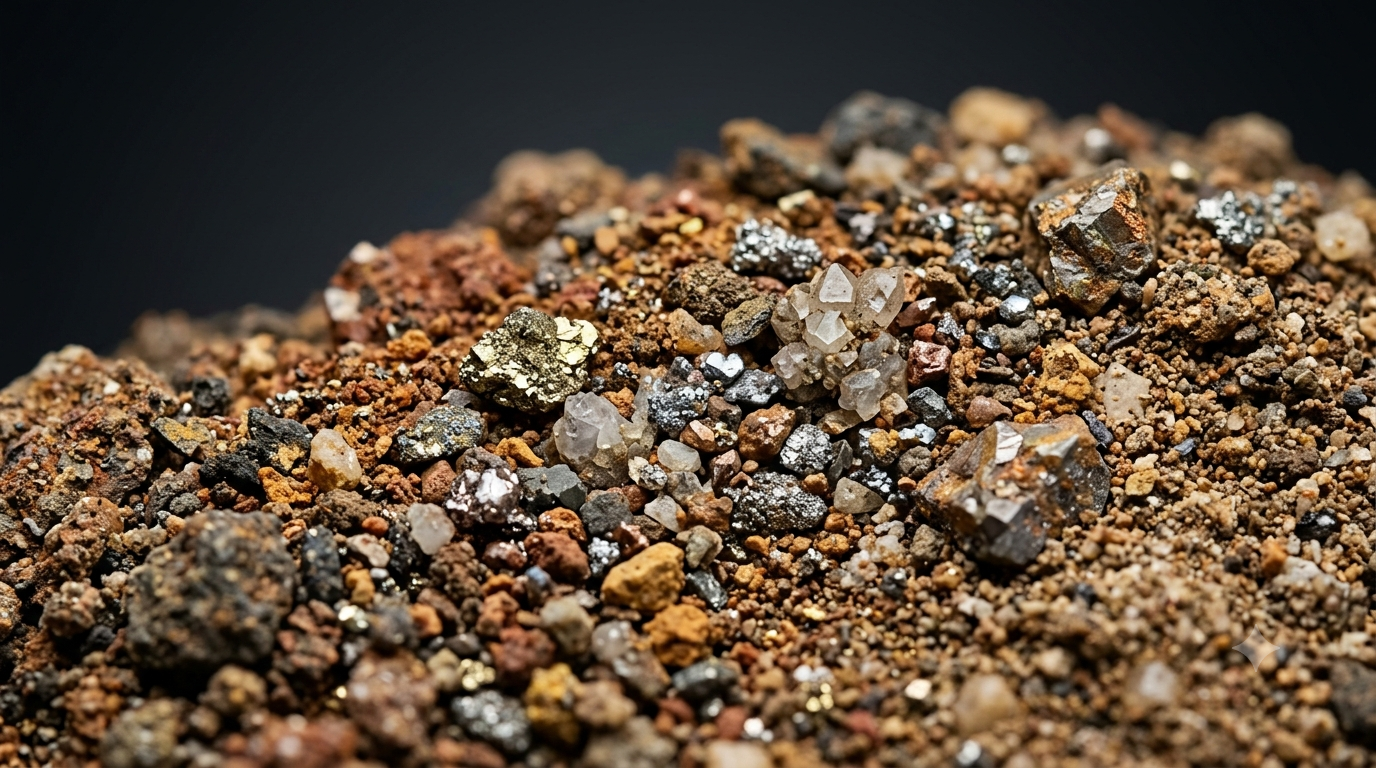
Tailings from copper mining contain residual copper but also zinc, molybdenum and other elements that report to waste streams during concentration processes optimized purely for primary metal recovery. Iron ore tailings contain manganese, phosphorus and trace elements. Gold mining tailings can contain copper, zinc and arsenic that must be managed as environmental liabilities but could theoretically be recovered as products.
The cumulative inventory of mining waste accumulated over decades of operations represents enormous material volumes stored in tailings dams, waste rock piles and abandoned mine sites. Some estimates suggest billions of tons of waste containing recoverable metal values comparable to or exceeding reserves at active mining operations.
However, this waste is distributed globally across thousands of sites with varying metal content, mineralogy, physical characteristics and environmental conditions. Recovery economics depend critically on site-specific factors including metal grades, proximity to markets, access to processing infrastructure and regulatory frameworks governing waste reuse.
Agricultural fertilizers incorporate metallic micronutrients addressing deficiencies that limit crop growth and nutritional quality. Zinc fertilizers combat zinc deficiency affecting wheat, corn and rice yields across extensive global acreage. Zinc sulfate, zinc oxide and chelated zinc formulations deliver the element in plant-available forms.
Copper fertilizers address copper deficiency in soils depleted through intensive agriculture or naturally deficient due to parent material characteristics. Copper sulfate serves as primary source though chelated copper provides enhanced availability in alkaline soils.
Manganese fertilizers correct deficiencies affecting crops grown on high-pH soils or organic soils where manganese availability is limited. Manganese sulfate and manganese chelates serve this market with tonnages smaller than zinc but still commercially significant.
Iron fertilizers address chlorosis in crops grown on calcareous soils where high pH renders iron unavailable despite adequate total iron content. Chelated iron products command premium pricing due to formulation complexity and effectiveness.
Molybdenum fertilizers serve specialized applications in legume crops where molybdenum is essential for nitrogen fixation. Sodium molybdate and ammonium molybdate deliver trace quantities sufficient to address deficiencies.
The total global market for micronutrient fertilizers exceeds several million tons annually with zinc representing the largest volume segment. Prices vary from hundreds to thousands of dollars per ton depending on element, formulation and purity specifications.
Current Supply Chain Dependencies
Zinc for agricultural use comes primarily from zinc sulfate produced as byproduct from zinc smelting operations or through reaction of zinc oxide with sulfuric acid. The supply chain depends on base metal mining and smelting with agricultural markets competing against industrial uses for available material.
Copper sulfate production occurs primarily as byproduct from copper refining where sulfuric acid reacts with copper-bearing materials. Agricultural demand represents meaningful but not dominant share of total copper sulfate consumption which also serves industrial electroplating, mining and water treatment applications.
Manganese sources for agriculture include manganese sulfate from battery recycling, manganese oxide from mining operations and various chelated forms produced through chemical synthesis. Supply can be constrained when battery recycling volumes decline or when manganese ore becomes allocated preferentially to steel industry.
Iron chelates depend on synthetic chelating agents including EDTA, DTPA and others reacted with iron salts. These premium products require multi-step chemical synthesis with cost structures far exceeding simple iron salts.
Molybdenum supply depends almost entirely on primary molybdenum mining or recovery from copper mining where molybdenum occurs as byproduct. The market is relatively concentrated with supply disruptions creating price volatility that affects agricultural users despite their small volumetric consumption.
What Mining Waste Recovery Could Provide
Mining waste contains these same metals at lower concentrations than exploited ores but potentially at grades sufficient to justify recovery when targeting multiple elements simultaneously and when environmental liabilities get converted to asset values through waste reduction.
A copper mine tailings impoundment might contain 0.1% to 0.3% copper, 0.02% to 0.05% zinc and trace molybdenum. While too low for conventional recovery, these concentrations could support processing specifically designed for multi-element recovery where revenues combine across several products to justify operating costs.
The materials are already mined and milled, eliminating the energy and environmental costs of ore extraction and initial grinding. Reprocessing focuses on concentration and purification rather than repeating the entire mineral processing chain.
Proximity to existing infrastructure including power, water and transportation reduces capital requirements versus greenfield mining projects. Many waste sites sit adjacent to operating or recently closed mines with roads, utilities and workforce availability supporting new processing operations.
Environmental liability reduction provides additional economic value not captured in simple metal price calculations. Mining companies face closure obligations including tailings stabilization and long-term environmental monitoring. Technologies that reduce waste volumes or convert hazardous materials to commercial products reduce these liabilities, creating financial incentives beyond commodity metal values.
Technical Approaches Being Researched
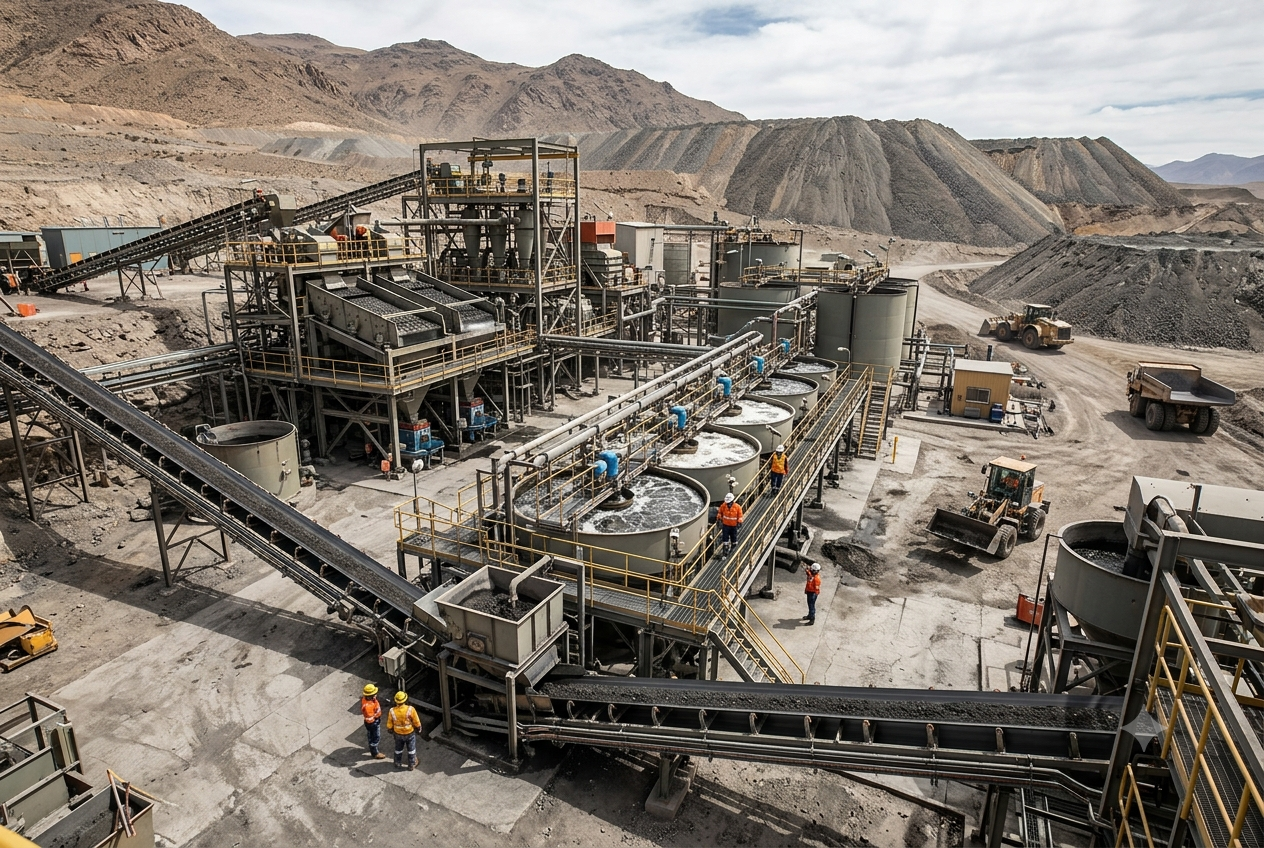
Researchers are developing several technical pathways for recovering metals from mining waste for agricultural applications. Hydrometallurgical processing using acid or alkaline leaching selectively dissolves target metals from waste materials followed by purification through precipitation, solvent extraction or ion exchange.
Bioleaching employs microorganisms that solubilize metals through metabolic processes producing organic acids or oxidizing reduced metal species. This biological approach operates at ambient temperatures with lower energy consumption than conventional pyrometallurgical routes but requires longer processing times.
Electrochemical recovery applies electrical potential to leach solutions, selectively depositing metals onto electrodes from which they can be harvested. This approach offers high selectivity and purity but requires electrical energy inputs.
Pyrometallurgical concentration roasts or smelts waste materials to concentrate metals through volatilization of gangue minerals or selective reduction. These high-temperature processes suit materials with favorable mineralogy but require significant energy.
The optimal approach depends on waste characteristics including mineralogy, metal distribution, particle size and contaminant presence. Multi-stage processes combining different techniques may prove most effective for complex waste streams containing multiple valuable elements alongside deleterious contaminants.
Economic Viability Challenges
Mining waste metal recovery faces significant economic hurdles despite conceptual appeal. Low metal grades mean large volumes must be processed to generate meaningful product quantities, requiring substantial capital investment in handling and processing equipment.
Operating costs including energy, reagents, labor and maintenance must be recovered from product sales competing against established primary production routes. Conventional zinc mining operations achieve economies of scale and optimized metallurgy that set challenging cost benchmarks for waste recovery operations.
Product quality specifications for agricultural use are less demanding than for industrial applications, potentially allowing lower purity products that reduce processing costs. However, agricultural markets also exhibit strong price sensitivity limiting premiums that buyers will pay for environmentally preferred materials.
Transportation costs affect economics significantly given that waste sites exist in specific locations while agricultural markets are distributed globally. A waste recovery operation in remote mining region faces freight costs delivering products to farming regions that domestic fertilizer producers in those markets avoid.
Regulatory compliance including environmental permitting, waste handling requirements and product registration add costs and time delays. Reprocessing mining waste still generates residual wastes requiring disposal or stabilization, though volumes should be substantially lower than original waste quantities.
Regulatory and Certification Pathways
Agricultural products derived from mining waste must meet regulatory standards for fertilizers and soil amendments including limits on heavy metals, radionuclides and other contaminants that could harm soil health or enter food chains.
In the United States, the Association of American Plant Food Control Officials (AAPFCO) establishes model regulations that states adopt governing fertilizer composition and labeling. Products must meet maximum thresholds for contaminants including arsenic, cadmium, lead and mercury based on application rates and expected soil accumulation.
European Union regulations under the Fertilising Products Regulation set component material categories, contaminant limits and labeling requirements. Products derived from mining waste would need to qualify under appropriate categories or establish new categories through regulatory submissions.
Organic certification standards maintained by organizations including USDA National Organic Program and international bodies restrict which fertilizer materials can be used in certified organic production. Mining waste-derived products would need specific approval to serve organic markets.
Product registration in target markets requires submitting composition data, manufacturing process descriptions and often efficacy studies demonstrating agronomic performance. Registration timelines extend months to years depending on jurisdiction and product novelty.
The regulatory pathway represents a significant barrier requiring investment in testing, documentation and regulatory engagement before commercial sales can commence. Companies pursuing mining waste recovery must budget for these activities as part of project development.
Environmental Considerations and Life Cycle Assessment
Proponents argue that mining waste recovery offers environmental advantages versus primary mining including avoided land disturbance, reduced energy consumption and decreased waste volumes requiring long-term management. However, rigorous life cycle assessment is needed to verify these claims accounting for all inputs and outputs.
Reprocessing waste still consumes energy, water and chemical reagents. While these inputs may be lower than for primary production, the comparison depends on specific processes and waste characteristics. Hydrometallurgical processing can require substantial acid consumption and generate acidic waste streams requiring neutralization.
Residual waste from recovery operations must be characterized and managed appropriately. Some constituents may become concentrated in residues creating more challenging disposal requirements than original waste despite reduced total volumes.
Transportation emissions from delivering products to distributed agricultural markets offset some environmental benefits from reduced mining impacts. Comprehensive accounting should include product transportation not just processing impacts.
Soil application of mining waste-derived products introduces metals and potential contaminants to agricultural land where long-term accumulation and environmental fate must be understood. While micronutrient metals serve beneficial purposes, excessive application or presence of deleterious elements could create future soil contamination concerns.
Credible life cycle assessments conducted according to ISO 14040 standards provide necessary evidence to support environmental claims and to inform procurement decisions by buyers seeking sustainable sourcing options.
Which Waste Streams Show Most Promise
Not all mining waste offers equal potential for agricultural metal recovery. Copper mine tailings containing zinc as major byproduct represent attractive targets given that both metals serve agricultural markets. Separation processes developed for primary ore processing can be adapted for tailings reprocessing.
Nickel laterite processing waste contains cobalt and manganese at concentrations potentially supporting recovery. While cobalt demand for agriculture is minimal, industrial markets exist that could anchor economics while agricultural manganese provides additional revenue.
Iron ore tailings contain manganese, zinc and phosphorus in some deposits, particularly from complex ore bodies where multiple elements were present but not fully recovered in original processing. Phosphorus recovery for fertilizer use alongside micronutrients creates diversified revenue potential.
Lead-zinc mine tailings rich in zinc, iron and manganese offer multi-element recovery scenarios. However, lead contamination creates challenges for agricultural use requiring thorough separation or specific processing routes that isolate lead for non-agricultural disposition.
Bauxite residue, commonly called red mud, from aluminum production contains iron, titanium and rare earth elements. While not traditional mining waste, this industrial residue represents a similar opportunity with iron potentially serving agricultural markets and other elements supporting specialized applications.
Site-specific characterization determines which waste streams justify recovery investment based on metal content, mineralogy, volume, location and regulatory environment.
Major Mining Companies' Perspectives
Large mining companies view their waste inventories with mixed perspectives. Environmental liabilities drive interest in technologies that reduce long-term closure costs and regulatory obligations. Conversion of waste to saleable products could offset closure expenses while generating modest revenue.
However, mining companies focus primarily on core mining operations rather than becoming fertilizer manufacturers. Partnerships with agricultural chemical companies or specialized waste processors represent more likely pathways than vertical integration into agricultural markets.
Reputational considerations affect mining company decisions around waste reuse. Successfully converting waste to beneficial agricultural products generates positive narratives around sustainability and circular economy that offset negative perceptions of mining's environmental impacts. Failed attempts or products that create new controversies around soil contamination would damage reputations.
Capital allocation decisions pit waste reprocessing against exploration, mine expansion and other growth projects competing for limited investment budgets. Waste recovery must deliver risk-adjusted returns comparable to alternative uses of capital to gain internal approval.
Some companies including Rio Tinto, BHP and others have announced research programs or pilot projects exploring tailings reprocessing for various purposes including construction materials, secondary metal recovery and specialized applications. These initiatives signal industry interest but do not yet represent commercial-scale commitments to agricultural metal supply chains.
What Fertilizer Companies Are Watching
Fertilizer manufacturers source micronutrient metals from established supply chains with known quality, pricing and reliability. Mining waste-derived materials represent alternative sources requiring evaluation against existing options.
Quality consistency matters significantly in fertilizer manufacturing where product specifications must be met batch after batch. Primary metal sources offer consistency that waste-derived materials must demonstrate through extended commercial operation before gaining buyer confidence.
Supply reliability is critical for manufacturers operating continuous production schedules serving seasonal agricultural demand. Primary suppliers with dedicated mining operations provide multi-year supply commitments that startup waste recovery operations may struggle to guarantee.
Pricing must be competitive accounting for total delivered cost including freight, quality assurance and potential switching costs if new materials require process adjustments. Modest discounts to primary source pricing may not justify supplier qualification efforts unless environmental attributes command market premiums.
Sustainability credentials offer potential differentiation allowing fertilizer companies to market products as incorporating recycled content or supporting circular economy principles. Consumer brands selling to environmentally conscious buyers might pay premiums for these attributes, creating value that justifies somewhat higher input costs.
Major fertilizer producers including Nutrien, Yara, Mosaic and others have established innovation programs exploring sustainable sourcing and circular economy opportunities. Mining waste-derived micronutrients align with these initiatives and could gain traction if economics and technical performance meet requirements.
Procurement Strategy Implications
Agricultural chemical buyers should monitor mining waste recovery developments as potential diversification opportunities for micronutrient sourcing. Near-term impacts remain limited given early-stage technical maturity, but strategic planning should incorporate scenarios where these sources achieve commercial viability.
Supplier evaluation criteria should evolve to assess not just price and quality but also environmental footprint and circularity attributes that customers and regulators increasingly value. Suppliers offering credible circular economy solutions may warrant preferred status or willingness to accept modest price premiums.
Long-term contracting strategies might incorporate provisions for alternative materials as they become available, maintaining flexibility to switch from virgin to recycled sources when quality, price and volume requirements can be met.
Investment in supplier development partnerships could accelerate commercialization of promising waste recovery technologies. Buyers willing to provide technical feedback, commit to offtake volumes or offer development funding could secure preferential access to new supply sources while supporting innovation aligned with sustainability objectives.
Risk management frameworks should account for potential supply disruptions affecting virgin metal sources due to mining depletion, regulatory restrictions or geopolitical factors. Diversification through waste-derived alternatives reduces concentration risk even if those alternatives initially supply small volumetric percentages.
Geographic Hotspots and Project Examples
Several regions show particularly strong potential for mining waste metal recovery serving agricultural markets. Chile's copper mining regions generate enormous tailings volumes containing copper, molybdenum and other elements with existing infrastructure and proximity to agricultural regions in Chile, Argentina and Brazil.
Australia's base metal mining districts produce tailings containing zinc, lead, copper and silver with agricultural markets in Australia and Southeast Asia accessible through established trade channels. Several Australian research institutions are actively developing tailings reprocessing technologies.
Southern Africa including South Africa, Zambia and Democratic Republic of Congo hosts extensive copper and cobalt mining with associated tailings containing multiple valuable elements. Agricultural markets across Africa could be served by regional waste recovery operations.
The western United States including Arizona, Nevada and Utah contains historic and active mining operations with large tailings inventories near agricultural regions including California's Central Valley and Southwest farming areas.
Specific projects at various stages include research pilots at university laboratories, company-sponsored demonstration facilities and a few early commercial ventures testing markets. The sector remains pre-commercial overall but shows signs of transitioning toward demonstration-scale activities that could lead to commercial deployment within five to seven years.
Technology Providers and Emerging Ventures
Several companies and research groups are developing technologies specifically targeting mining waste recovery. Glencore's Nyrstar has explored zinc recovery from historic mining waste in Europe, though primarily targeting industrial zinc markets rather than agricultural applications.
Tailings companies including TOMRA, STEINERT and others provide sensor-based sorting and separation technologies that could enable economic recovery from waste materials through pre-concentration before more expensive chemical processing.
Hydrometallurgical specialists including Ausenco, Hatch and others offer engineering and process design services for clients pursuing waste recovery projects, though these are primarily service providers rather than operators of commercial recovery facilities.
Startup ventures focusing specifically on circular economy metals include several companies pursuing battery recycling, e-waste processing and industrial waste recovery. Some of these business models could extend to mining waste as technologies mature and market acceptance grows.
Academic and government research institutions including universities, national laboratories and geological surveys conduct fundamental research on waste characterization, extraction technologies and environmental assessment providing technical foundation for commercial development.
The competitive landscape remains fragmented with no dominant players yet emerged. This creates opportunities for new entrants and for strategic partnerships between mining companies, chemical processors and agricultural product companies.
Timeline to Commercial Impact
Mining waste recovery for agricultural metals is unlikely to achieve significant commercial scale before 2030 given technical, economic and regulatory barriers requiring years to overcome. The 2027 to 2030 timeframe may see pilot and demonstration facilities operating at scales sufficient to supply niche markets or regional applications.
Technology maturation requires moving from laboratory success at gram scale to pilot plants processing kilograms or tons per day and eventually to commercial facilities handling thousands of tons annually. Each scale-up step reveals engineering challenges requiring iteration and investment.
Regulatory approvals for novel fertilizer materials extend over multi-year periods as agencies evaluate safety data, environmental impacts and agronomic performance. Companies must generate this data through testing programs before submitting regulatory dossiers.
Market development involves educating potential buyers, conducting customer trials and building distribution relationships. Agricultural markets are conservative with product adoption timelines measured in years as farmers and agronomists gain comfort with new materials.
Capital availability for first-commercial facilities presents challenges given investor skepticism about novel mining technologies. Projects need to demonstrate robust economics and de-risked technology before attracting project finance or strategic investment at scales required for meaningful capacity.
Procurement teams should treat mining waste-derived metals as 5 to 10 year horizon opportunities worth monitoring but not yet ready for active sourcing strategies. Maintaining awareness through industry publications, conference participation and supplier engagement positions buyers to act when commercial options mature.
The Role of Policy and Incentives
Government policies could significantly accelerate or hinder mining waste metal recovery through several mechanisms. Mining closure regulations that impose financial liability for long-term waste management create incentives for companies to reduce waste volumes and environmental hazards through recovery technologies.
Tax incentives for circular economy activities including accelerated depreciation, investment credits or reduced royalty rates for secondary materials could improve project economics. Several jurisdictions offer such incentives for recycling activities that could extend to mining waste processing.
Public procurement preferences for products incorporating recycled content create guaranteed demand supporting market development. Government fertilizer purchases or agricultural support programs could specify minimum recycled content thresholds that advantage mining waste-derived materials.
Research funding through agencies supporting mining innovation, agricultural technology or environmental remediation can de-risk technology development and generate public data supporting commercialization. Several national programs exist supporting these research areas.
Trade policy affects competitiveness of waste-derived products through tariffs, subsidies and international agreements governing waste materials movement. Favorable treatment of secondary materials versus virgin ores could level playing fields or create advantages for circular economy supply chains.
The policy landscape varies greatly across jurisdictions creating winners and losers based on where projects locate and which markets they serve. Project developers must navigate policy complexity as integral part of business strategy.
What This Means for Resource Security
Mining waste recovery could enhance global resource security for critical minerals and metals experiencing supply concentration or geopolitical risk. Zinc, copper and other elements essential for agriculture face potential supply disruptions from trade conflicts, regulatory changes or resource nationalism in producing countries.
Distributed waste recovery operations processing legacy tailings in multiple countries reduce dependence on fewer mining regions or companies controlling primary production. This geographic diversification improves resilience against localized disruptions.
However, waste recovery also creates dependencies on enabling technologies, specialized equipment and technical expertise that may themselves be concentrated in specific companies or countries. True resource security requires examining entire value chains not just material sources.
The circular economy vision of mining waste recovery aligns with broader sustainability transitions that governments and industries pursue. Agricultural chemical buyers should expect continued policy support and market development favoring circular materials even if specific projects face commercial challenges.
The long-term trajectory favors increasing utilization of mining waste and other secondary materials as virgin resource quality declines, extraction costs rise and environmental constraints tighten. Procurement teams positioning early to access these supply chains gain advantages as transitions accelerate.
Ready to source Diammonium Phosphate (Technical 18-46) from verified global suppliers? Explore competitive offers on our platform today.