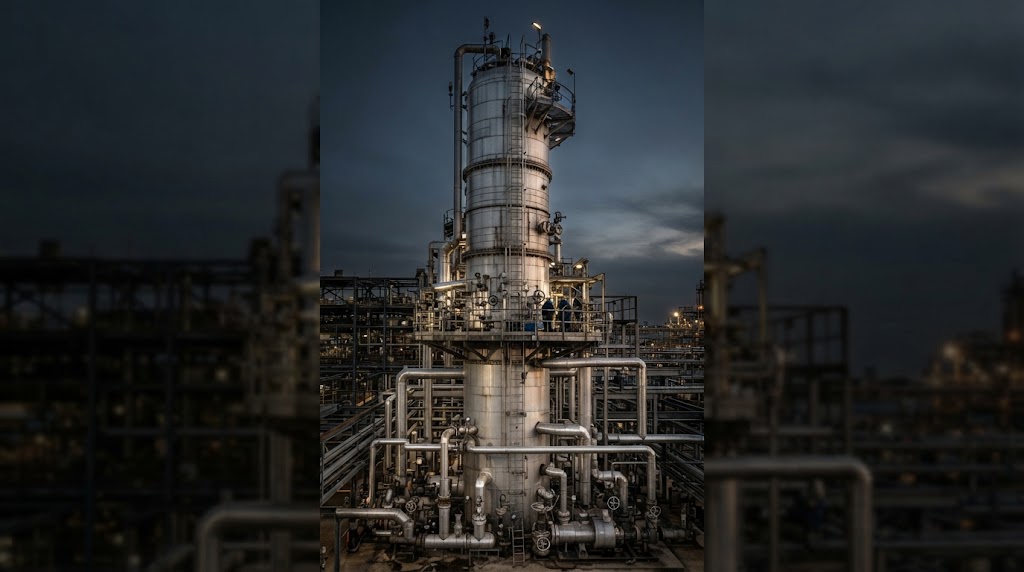
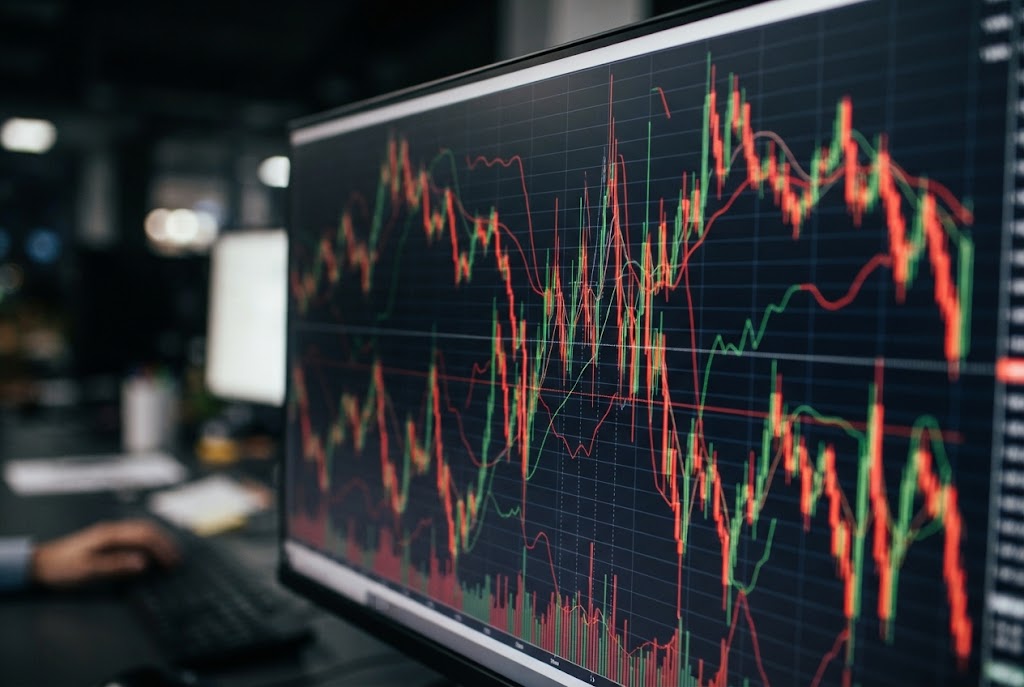
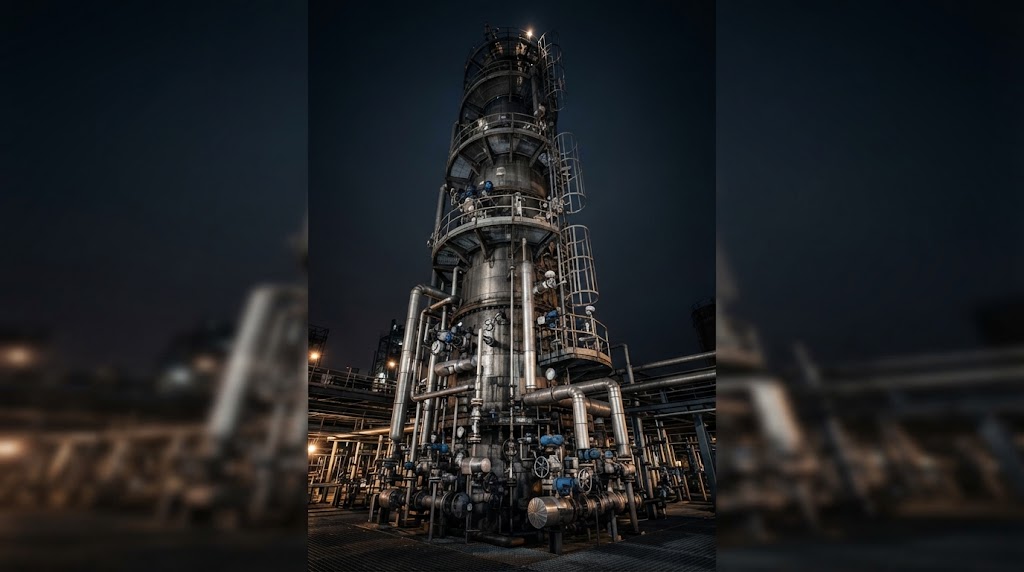
Asian petrochemical markets are showing early signs of stabilization after a prolonged period of financial strain. The naphtha-ethylene spread briefly returned to positive territory on August 5 and 6.
This marks the first profitable window since June 16. Procurement managers and chemical traders must closely monitor this development.
It offers a critical early signal that regional cracking margins may finally be bottoming out. Producers who have operated under severe pressure can now anticipate improved operational flexibility.
This shift directly impacts the availability and pricing of essential polymer precursors. Buyers should prepare for potential adjustments in supply dynamics and contract negotiations.
Understanding the drivers behind this margin recovery is essential for effective sourcing planning. Traders must stay agile to capitalize on these short-term market movements.
Understanding the Naphtha-Ethylene Spread Dynamics
The naphtha-ethylene spread serves as the primary profitability indicator for steam crackers in Asia. It measures the difference between the selling price of ethylene and the cost of naphtha feedstock. A positive spread means crackers generate a gross margin covering operating expenses.
A negative spread indicates producers lose money on every ton of ethylene produced. This situation frequently forces planned or unplanned maintenance shutdowns to limit financial losses. The period from mid-June to early August saw sustained negative margins straining producer balance sheets.
The brief return to positive territory provides much-needed relief to the industry. Traders should view this as a tentative signal rather than a guaranteed long-term reversal. Market fundamentals remain tight and further fluctuations are highly likely in the coming weeks.
Key Drivers Behind the Margin Recovery
Several specific factors contributed to the recent improvement in regional cracking economics. Feedstock costs played a significant role as naphtha prices softened slightly relative to ethylene values. This divergence allowed crackers to capture a small but meaningful margin during the brief window.
Demand for downstream derivatives such as polyethylene also showed signs of stabilization. Restocking activities by converters and manufacturers helped support ethylene prices temporarily. These combined effects created the exact conditions necessary for the spread to turn positive.
Global oil price movements also influenced the regional dynamics significantly. Changes in crude oil benchmarks affect naphtha pricing directly. Traders must watch these macro indicators closely to anticipate future margin trends effectively.
Impact on Regional Production and Supply
Positive cracking margins typically encourage producers to maintain or increase their operating rates. Steam crackers that were considering maintenance shutdowns may now delay these plans. This decision directly affects the volume of ethylene available in the regional spot market.
Buyers may see a slight increase in supply availability as producers optimize operations. However the brevity of the positive spread means production adjustments will remain cautious. Manufacturers stay wary of committing to high output levels without sustained margin improvement.
The supply of downstream products like linear low-density polyethylene may also stabilize. Converters relying on consistent ethylene feeds will benefit from this temporary production stability. Procurement teams should communicate with suppliers to understand their current operating strategies.
Strategic Sourcing Responses for Procurement Teams
Procurement leaders must update their sourcing strategies to reflect these shifting market conditions. Engaging with suppliers who offer transparent pricing models will secure priority access to materials. Building strong relationships with producers ensures stability in a rapidly evolving market landscape.
Consider the following strategic actions for the coming quarter:
Review current ethylene and polyethylene supply contracts immediately. Understanding how the recent margin shift affects your supplier cost structure is crucial for negotiations.
Diversify supply sources to mitigate risks associated with margin volatility. Relying on a single region exposes buyers to significant disruptions during negative margin periods.
Invest in market intelligence tools to track real-time changes in cracking spreads. This data supports proactive decision-making and allows for timely adjustments to sourcing strategies.
Negotiate flexible contract terms that permit volume adjustments. This flexibility protects companies from extreme market volatility and unexpected supply shocks.
Downstream Implications for Polyethylene Buyers
Ethylene is the primary building block for polyethylene used in packaging and industrial applications. Changes in ethylene pricing and availability directly influence polyethylene contract and spot prices. Buyers of these materials must adjust their sourcing strategies to reflect upstream dynamics.
A positive naphtha-ethylene spread can lead to more competitive pricing for polyethylene grades in the short term. Producers may pass on some of the margin relief to customers to secure volume commitments. This creates an opportunity for procurement managers to negotiate better terms for upcoming contracts.
However the transient nature of the margin recovery means price stability may not last. Buyers should avoid locking in long-term positions based solely on this brief positive signal. Maintaining flexibility in supply agreements allows companies to adapt to future market volatility effectively.
Challenges in Sustaining the Margin Recovery
Despite the positive signal several headwinds could reverse this margin improvement quickly. Fluctuating crude oil prices remain a constant threat to naphtha cost stability. A sudden spike in energy costs would immediately erase the recent profitability gains for crackers.
Downstream demand recovery also remains uneven across different industrial sectors. Packaging demand might stabilize but automotive and construction sectors still face economic headwinds. Weak end-user consumption limits the ability of producers to pass on higher feedstock costs.
Furthermore new capacity additions in neighboring regions could flood the market with excess supply. Traders must monitor global plant start-ups closely to anticipate potential supply gluts. Maintaining profitability will require continuous operational efficiency and strict cost management from producers.
Global Context and Comparative Margins
Asian cracking margins do not exist in isolation. They are part of a highly interconnected global petrochemical network. Margins in Europe and North America also influence trade flows and regional pricing strategies.
Traders must compare Asian spreads with other major hubs to identify arbitrage opportunities. If Asian margins remain weaker than those in other regions exporters may seek overseas markets. This dynamic can reduce local supply availability and put upward pressure on domestic prices.
Conversely strong Asian margins can attract imports and increase competition among local producers. Monitoring global margin differentials helps buyers and traders make informed sourcing decisions. It also provides insight into where new capacity additions might be most economically viable.
The Bottom Line for Chemical Traders
The return of the naphtha-ethylene spread to positive territory in Asia offers a brief respite for producers. This shift highlights the fragile balance between feedstock costs and product demand in the region. Buyers and traders must remain vigilant as market conditions can change rapidly in the petrochemical sector.
Sustained margin improvement will depend on broader economic trends and demand recovery in downstream sectors. Companies that adapt their sourcing strategies to reflect these dynamics will gain a competitive advantage. The future of chemical trading requires agility and a deep understanding of regional cracking economics. Ready to source Monoethylene Glycol from verified global suppliers? Explore competitive offers on our platform today.