Consumer rejection of unfamiliar ingredient names is forcing food and beverage manufacturers to rethink pH control strategies across product portfolios. Phosphoric acid, long a staple acidulant in cola beverages, sauces and processed foods, increasingly appears on reformulation lists as brands respond to clean-label pressures.
The shift creates significant procurement implications. Natural acidulants like citric acid, malic acid and acetic acid differ from phosphoric acid in cost structure, supply chain dynamics and technical performance. Buyers must navigate these differences while maintaining product quality and managing budgets.
This transition is not a simple one-for-one ingredient swap. pH control in complex formulations requires careful rebalancing of acid systems, buffering agents and other functional ingredients to achieve stability, safety and sensory targets.
Why Phosphoric Acid Is Losing Ground
Phosphoric acid functions effectively as a pH regulator, flavor contributor and preservative in numerous applications. Its strong acidic character and low cost made it the default choice for decades in carbonated beverages, marinades, dairy products and baked goods.
Consumer perception has shifted dramatically. Phosphoric acid sounds chemical and industrial to shoppers reading ingredient labels. Focus groups consistently show negative reactions to phosphate-containing ingredients, even when regulators confirm their safety.
The clean-label movement defines acceptable ingredients based on consumer recognition and perceived naturalness rather than regulatory approval alone. Phosphoric acid fails this consumer test despite being Generally Recognized As Safe in most jurisdictions.
Major food and beverage companies have publicly committed to clean-label reformulations. These commitments translate into procurement directives requiring ingredient buyers to source alternatives that satisfy both technical requirements and marketing preferences.
Natural Acidulants Gaining Market Share
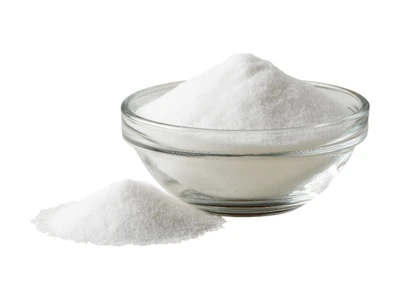
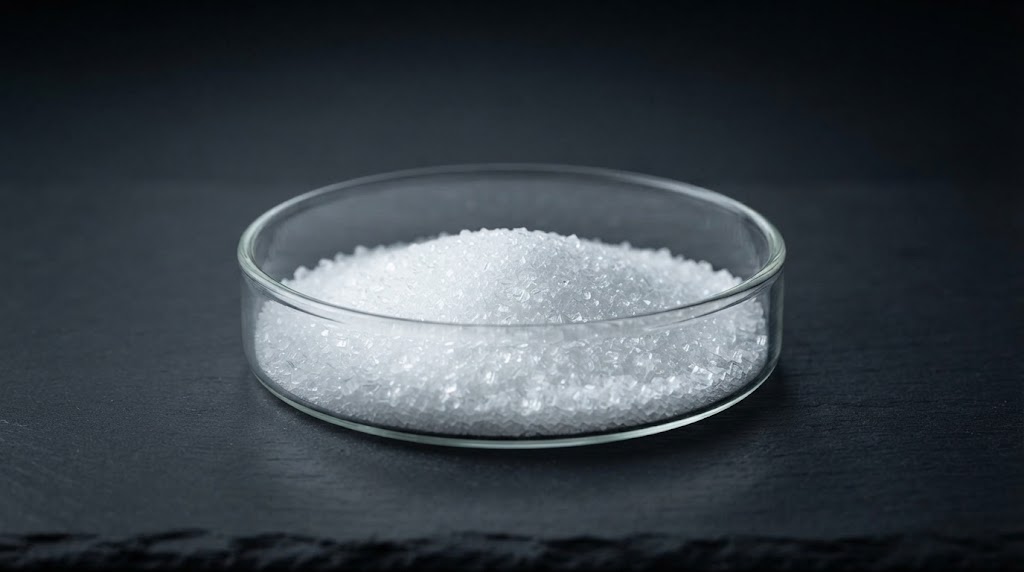
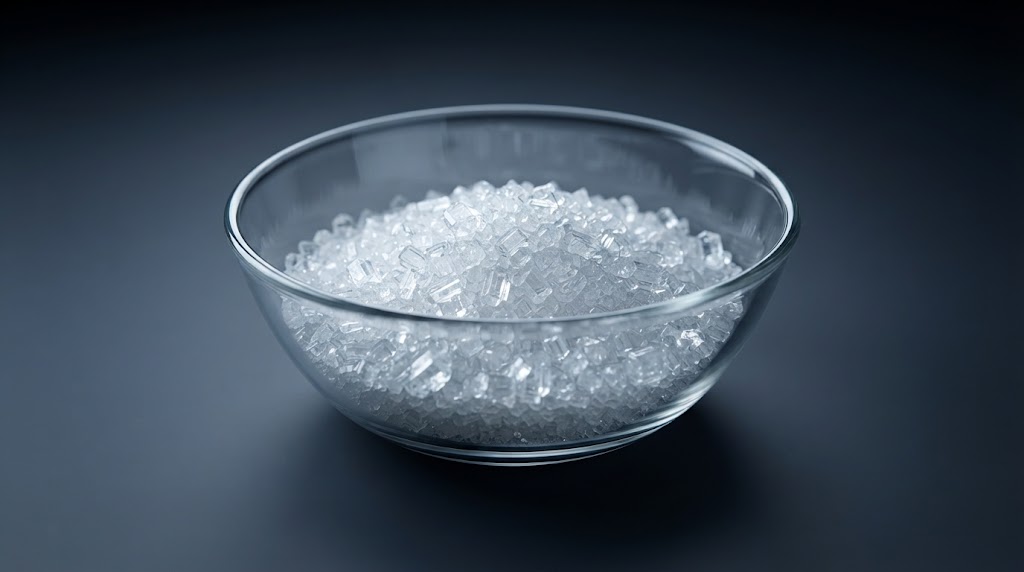
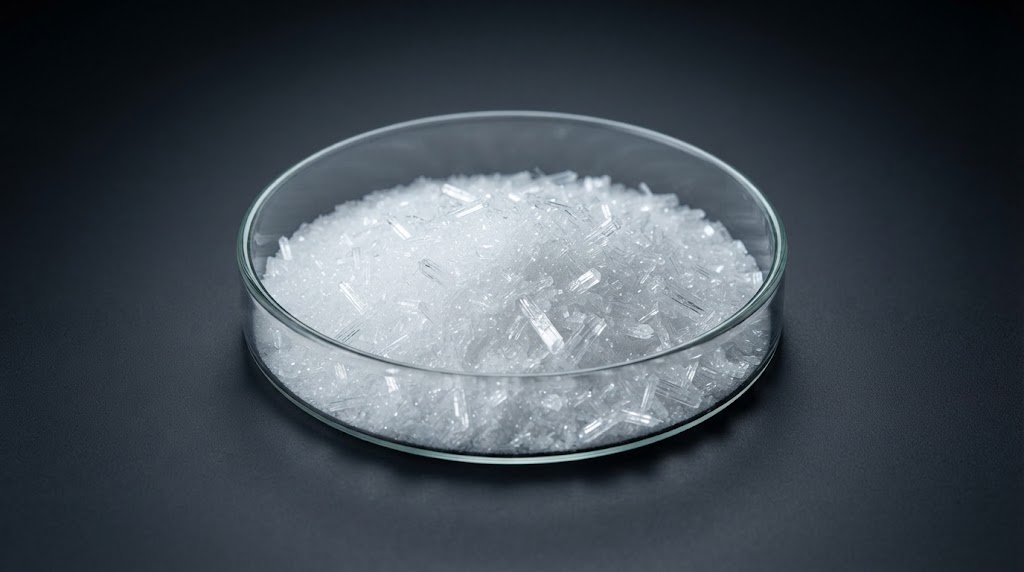
Citric acid leads the replacement trend due to its widespread availability, competitive pricing and excellent consumer recognition. Derived from fermentation of carbohydrate feedstocks using Aspergillus niger, it qualifies as natural in most regulatory frameworks and appeals to clean-label positioning.
The compound functions well across a broad pH range and provides additional benefits beyond acidity including chelation, antioxidant synergy and flavor enhancement. These multifunctional properties often simplify formulations when replacing phosphoric acid.
Malic acid offers similar clean-label credentials with distinct flavor characteristics. Fermentation-derived L-malic acid from apple-associated bacteria meets the highest naturalness standards, though synthetic DL-malic acid dominates due to cost advantages.
Acetic acid and its derivatives including sodium acetate appeal to brands seeking recognizable vinegar-associated ingredients. The sharp, pungent character limits applications but works well in savory products, pickles, condiments and certain beverage formulations.
Lactic acid has gained traction in dairy products, meat applications and fermented beverages where its association with natural fermentation processes supports clean-label messaging. Its buffering capacity and antimicrobial properties add functional value beyond pH control.
Cost Implications of the Transition
Phosphoric acid trades at significantly lower prices than most natural acidulant alternatives. Food-grade phosphoric acid typically costs 30% to 50% less per kilogram than citric acid and even more relative to premium fermentation-derived malic or lactic acid.
This price differential creates immediate margin pressure when reformulating established products. A direct replacement often increases ingredient costs by 20% to 40% depending on usage rates and specific acid selection.
However, true cost-in-use calculations are more complex. Natural acidulants often require different dosage levels to achieve equivalent pH and flavor profiles. Some applications need less citric or malic acid than phosphoric acid to reach target acidity, partially offsetting the price premium.
Reformulation may allow elimination of other ingredients. The chelating properties of citric acid can reduce or eliminate separate sequestrant additions. The antimicrobial effects of certain organic acids may allow reduced preservative usage.
Buyers negotiating with natural acidulant suppliers should emphasize volume commitments and long-term relationships. Producers prioritize stable, predictable demand and offer better pricing to buyers willing to lock in multi-year agreements.
Phosphoric acid provides strong buffering capacity across a wide pH range due to its three dissociable protons. This makes pH control straightforward and stable even when other acidic or basic ingredients are added during processing or from raw material variation.
Natural organic acids typically offer weaker buffering, requiring more careful formulation design. Citric acid with its three carboxyl groups provides better buffering than monocarboxylic acids like acetic or lactic acid, but still falls short of phosphoric acid's performance.
Temperature stability during thermal processing differs between acids. Phosphoric acid remains completely stable during pasteurization, retort sterilization or baking. Some organic acids may undergo partial degradation, oxidation or chemical reactions at elevated temperatures.
Interaction with minerals and metal ions varies significantly. Phosphoric acid can complex with calcium, magnesium and iron, which benefits some applications but causes precipitation problems in others. Citric acid's chelating strength differs from phosphoric acid and may require formula adjustments.
Flavor contribution represents a major performance distinction. Phosphoric acid imparts a sharp, clean acidity without fruity or fermented notes. Natural acidulants each carry characteristic flavor signatures that formulators must accommodate or mask.
Microbiological stability mechanisms differ between acids. Phosphoric acid primarily acts through pH reduction, while organic acids also penetrate microbial cells and disrupt metabolic processes. This can allow lower total acid usage in some preservation applications.
Blending multiple natural acidulants often delivers better results than single-acid replacements. Combinations of citric and malic acid or citric and lactic acid can mimic phosphoric acid's buffering and flavor characteristics more closely than either acid alone.
Adjusting buffering salt systems compensates for weaker buffering from organic acids. Sodium citrate, potassium citrate or calcium lactate can supplement organic acids to maintain pH stability during processing and shelf life.
Flavor system modifications are nearly always required. Reformulation teams work closely with flavor houses to adjust proprietary blends that compensate for taste differences introduced by changing the acid system.
Sweetener rebalancing addresses altered sweet-tart perception when switching acids. Natural acidulants may require 5% to 15% adjustments in sugar, high-fructose corn syrup or high-intensity sweetener levels to maintain target taste profiles.
Process parameter changes may be necessary. Mixing sequences, temperature profiles during blending or different holding times might optimize performance of natural acidulant systems compared to phosphoric acid formulas.
Stability testing under accelerated conditions identifies potential issues before commercial launch. Temperature cycling, light exposure and extended storage reveal whether the reformulated product maintains quality throughout its intended shelf life.
Supply Chain Considerations for Natural Acidulants
China dominates citric acid production with over 70% of global capacity concentrated in Shandong, Jiangsu and Anhui provinces. This creates price efficiency but introduces single-country dependency that buyers must manage through supplier diversification or strategic inventory.
Lactic acid supply is more geographically distributed with significant production in Europe, North America and Asia. Fermentation-based production using Lactobacillus bacteria occurs near markets due to product perishability and freight economics.
Malic acid availability depends on production route. Synthetic malic acid comes primarily from China with limited European capacity. Fermentation-derived L-malic acid has a narrower supplier base concentrated among specialty producers serving premium clean-label segments.
Acetic acid sourcing differs entirely from other acidulants. Glacial acetic acid production relies on methanol carbonylation or ethylene oxidation in large petrochemical complexes. Food-grade material requires additional purification to meet stringent purity specifications.
Lead times vary by acid and origin. Asian citric acid shipments require 45 to 60 days including ocean freight to Western markets. European or North American lactic acid may deliver within 2 to 4 weeks depending on supplier location and inventory positions.
Price volatility characteristics differ between acids. Citric acid pricing tracks fermentation feedstock costs including corn and molasses. Lactic acid follows similar patterns. Acetic acid pricing correlates with petrochemical feedstocks and energy costs.
Regulatory and Labeling Advantages
Natural acidulants simplify ingredient declaration in ways that support marketing claims. Citric acid, malic acid and lactic acid are immediately recognizable to consumers and align with clean-label positioning.
Organic certification becomes easier without phosphoric acid. Most organic standards restrict or prohibit synthetic pH regulators while allowing natural fermentation-derived acids. Reformulation to natural acidulants expands market access to organic retail channels.
Non-GMO verification faces fewer obstacles with natural acidulants if sourced from non-GMO feedstocks. Citric acid from non-GMO corn or sugar and malic acid from non-GMO sources can support Non-GMO Project Verified claims that phosphoric acid complicates.
International regulatory acceptance is universal for common natural acidulants. Markets with restrictive additive regulations or nationalist ingredient preferences often favor locally produced organic acids over imported synthetic regulators.
Kosher and Halal certification processes are generally smoother for natural fermentation-derived acids compared to synthetic chemical production. This matters for brands serving religious dietary preference segments.
Cost Management Strategies
Volume aggregation across product lines can secure better pricing from acidulant suppliers. Buyers reformulating multiple SKUs simultaneously should consolidate purchases to leverage total volume in negotiations.
Long-term supply agreements reduce price volatility exposure and guarantee allocation during tight market conditions. Natural acidulant producers prefer predictable demand and reward commitment with favorable pricing structures.
Dual sourcing between fermentation-derived and synthetic versions of the same acid provides flexibility. Brands can use premium fermentation acids in flagship products while specifying lower-cost synthetic alternatives for value-tier items.
Strategic inventory during favorable pricing periods can offset volatility in natural acidulant markets. Citric acid, malic acid and acetic acid all have adequate stability for 12 to 18 month storage when properly warehoused.
Backward integration appeals to very large buyers. Some major food companies have invested in fermentation capacity or secured dedicated production agreements with acidulant manufacturers to control costs and ensure supply.
Consumer Research Validating the Switch
Blind taste tests reveal that properly reformulated products match or exceed consumer preference scores for phosphoric acid versions. The key is careful flavor system rebalancing rather than simple acid substitution.
Ingredient label studies show significant preference increases when phosphoric acid is removed. Consumer panels rate products with citric or malic acid as more natural, healthier and more trustworthy even when all other factors remain constant.
Purchase intent increases measurably for clean-label reformulations in categories where consumers actively read labels. Beverages, sauces, dressings and snack foods show the strongest response to natural acidulant positioning.
Premium price tolerance improves with clean-label reformulation. Consumers express willingness to pay 5% to 10% more for products with recognizable ingredients, helping offset the higher costs of natural acidulants.
Brand loyalty metrics strengthen following successful clean-label launches. Removing controversial ingredients creates positive brand perception that extends beyond the specific reformulated product.
Carbonated soft drinks face the most complex reformulation challenges when eliminating phosphoric acid. Cola beverages traditionally relied on phosphoric acid for both pH control and characteristic flavor contribution that distinguishes them from citrus sodas.
Several major brands have successfully transitioned to citric acid systems by adjusting flavor formulas and sweetener ratios. Consumer acceptance has been strong when the reformulation maintains the expected taste profile.
Sauces and dressings readily accommodate natural acidulants because vinegar and citrus flavors align with consumer expectations. Citric acid, acetic acid and lactic acid all work well depending on the specific flavor profile.
Dairy products benefit from lactic acid's natural association with fermentation. Yogurt, cultured dairy drinks and cheese applications achieve both pH control and clean-label positioning through lactic acid systems.
Baked goods require careful selection because acidity affects leavening chemistry. Citric acid and malic acid can replace phosphoric acid in chemical leavening systems when properly balanced with sodium bicarbonate or other bases.
Processed meats use natural acidulants to control pH, enhance color retention and provide antimicrobial effects. Lactic acid, acetic acid and citric acid all appear in clean-label meat formulations.
Supplier Qualification and Quality Assurance
Natural acidulant suppliers must demonstrate consistent quality across batches because flavor contribution matters more than with neutral pH regulators. Certificate of analysis review should include sensory evaluation reports in addition to standard chemical specifications.
Fermentation production processes introduce batch-to-batch variation that buyers must manage. Establishing acceptable specification ranges and conducting incoming inspection testing prevents formulation inconsistencies.
Traceability to feedstock origin supports non-GMO and organic claims. Suppliers should provide documentation proving corn, sugar or other substrates meet buyer requirements for genetic modification status.
Allergen cross-contact risk exists in some acidulant production facilities that handle multiple fermentation substrates. Buyers serving allergen-sensitive consumers must verify supplier allergen control programs.
Kosher and Halal certification requires annual audits of production facilities and processes. Buyers should verify that certifications remain current and cover the specific products being purchased.
Market Growth and Future Outlook
Natural acidulant demand is growing at 6% to 8% annually as clean-label reformulation accelerates across food and beverage categories. This substantially exceeds overall food additive market growth and reflects the ongoing replacement of synthetic ingredients.
Investment in fermentation capacity for citric acid, lactic acid and malic acid continues expanding to meet demand. New production facilities in Asia, Europe and North America will increase supply and potentially moderate pricing over the next three to five years.
Enzyme and microbial strain improvements are reducing production costs for fermentation-derived acids. Biotechnology advances allow higher yields and shorter fermentation cycles, narrowing the cost gap with synthetic alternatives.
Novel natural acidulants are entering development targeting specific applications where citric, malic, lactic and acetic acids face limitations. Fumaric acid, succinic acid and proprietary fermentation acids may gain share in niche applications.
Sustainability metrics are becoming purchasing criteria alongside cost and performance. Buyers increasingly request lifecycle assessment data, water usage information and carbon footprint calculations when evaluating acidulant suppliers.
Procurement Best Practices for the Transition
Cross-functional collaboration between procurement, R&D, quality assurance and marketing ensures reformulation decisions balance cost, performance and positioning objectives. Siloed decision-making leads to suboptimal outcomes.
Pilot production runs using commercial-scale equipment validate that reformulated products perform consistently before full launch. Laboratory success does not always translate to manufacturing floor reality.
Consumer testing at multiple stages catches potential acceptance issues early. Pre-launch validation reduces the risk of costly market failures from reformulations that look good on paper but disappoint consumers.
Supplier partnerships that extend beyond transactional purchasing create value through technical support, application development assistance and early access to innovations. Leading acidulant suppliers employ food scientists who can accelerate reformulation projects.
Continuous monitoring of market pricing, supply conditions and regulatory developments keeps procurement strategies current. Natural acidulant markets evolve rapidly as demand grows and new capacity comes online.
Making the Switch Work Financially
The margin impact of replacing phosphoric acid with natural acidulants can be partially offset through pricing adjustments justified by improved consumer perception. Clean-label products often command premium positioning that supports higher retail prices.
Waste reduction and efficiency improvements elsewhere in operations can fund reformulation costs. Companies serious about clean-label transitions find budget through operational excellence initiatives rather than treating reformulation as pure cost increase.
Phased rollout strategies prioritize reformulation of highest-volume products or those facing strongest clean-label pressure. This focuses investment where business impact is greatest and allows learning before tackling more complex applications.
Private label and value-tier products may retain phosphoric acid longer while premium lines transition first. This creates a good-better-best product architecture that serves different consumer segments while managing costs.
Ready to source citric acid from verified global suppliers? Explore competitive offers on our platform today.