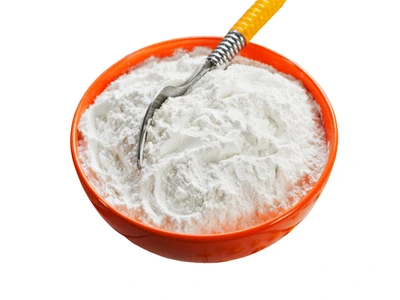
Potato starch is becoming a more important sourcing category for food manufacturers as processed and frozen food production expands. Its ability to provide thickening, binding, moisture management and desirable texture makes it useful across applications ranging from frozen products to sauces, snacks and prepared foods.
For procurement teams, the market presents a combination of agricultural and industrial risks. Potato availability, weather conditions, processing capacity, energy costs, freight and demand from food manufacturers can all influence supply and pricing.
The growing use of potato starch also creates opportunities for buyers seeking alternatives to other starches and hydrocolloids. However, successful procurement depends on matching the right grade to the formulation while maintaining reliable supply and competitive cost.
Why Potato Starch Demand Is Increasing
Food manufacturers increasingly rely on functional starches to deliver consistent texture and processing performance. Potato starch can provide high viscosity and useful thickening properties, making it relevant to products where texture plays a major role in consumer acceptance.
Frozen and convenience foods are particularly important demand areas. Manufacturers need ingredients that can withstand processing, storage and reheating while maintaining an acceptable finished-product texture.
Potato starch can support applications such as:
Frozen foods: It can contribute to texture and structure in selected frozen formulations.
Processed meats: Manufacturers may use starches for binding, moisture management and texture.
Soups and sauces: Potato starch can provide viscosity and body.
Bakery products: It can contribute to texture and moisture characteristics.
Snacks: Starch can support structure and processing requirements.
Gluten-free products: Potato starch can serve as a functional ingredient in selected gluten-free formulations.
This broad application base gives potato starch a diverse demand profile, reducing reliance on a single food category.
Potato Crop Conditions Influence Supply
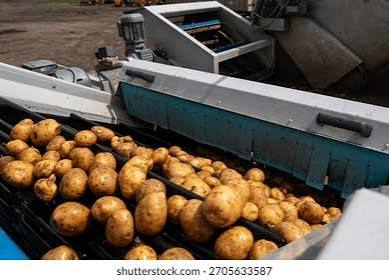
Potato starch production starts with agricultural supply, making crop conditions an important factor for procurement planning. Weather, planting decisions, disease pressure and yields can all influence the volume of potatoes available for starch processing.
Potatoes also have competing end uses. Food processors may allocate production toward fresh markets, frozen products, chips, fries and other applications, creating competition for raw material.
This makes the relationship between potato production and starch availability more complex than simply tracking total crop output.
Procurement teams should monitor:
Planting and harvest conditions: Weather during key growing periods can influence yield and quality.
Processing demand: Higher demand for potatoes from other food categories can affect availability for starch production.
Regional production: Sourcing from multiple producing regions can reduce dependence on a single crop area.
Processor utilization: Starch manufacturing capacity can determine how much available potato supply reaches the ingredient market.
Europe Remains Important to the Global Potato Starch Supply
European producers play an important role in the potato starch industry, supported by established potato-processing infrastructure and a mature food manufacturing sector.
Countries such as Germany, the Netherlands, France, Denmark and Poland have significant potato-processing capabilities. Their importance means European crop conditions and energy costs can influence international sourcing.
For importers, the geographic structure of production creates both opportunities and risks. Established European suppliers can offer strong technical expertise and export capabilities, but buyers may face longer lead times and freight exposure when sourcing outside the region.
Procurement teams should therefore evaluate supplier origin alongside production capacity and logistics performance.
Pricing Depends on More Than Potato Costs
Potato starch pricing reflects several cost layers. The raw potato represents only one component of the final ingredient price.
Processing plants must clean, separate, extract, dry and package the starch. These operations require energy, water, labor and specialized equipment.
The main price drivers include:
Potato prices: Higher raw material costs can increase starch production expenses.
Crop yields: Lower yields can tighten raw material availability.
Energy: Drying and processing operations can create significant energy exposure.
Labor: Manufacturing and quality control costs contribute to the finished price.
Packaging: Bagging and palletization add to the delivered cost.
Freight: International buyers face transportation costs that vary by route and shipment size.
Currency: Exchange-rate movements can change the effective import price.
Demand: Strong consumption from processed and convenience food manufacturers can support higher prices.
A buyer should therefore avoid using potato prices alone as a forecast for future starch quotations.
Native Potato Starch Versus Modified Starch
Procurement teams should distinguish between native potato starch and modified potato starch. The two categories can have substantially different functional characteristics and pricing.
Native potato starch can provide thickening and texture properties in applications that do not require additional processing resistance. Modified starches can offer enhanced performance under conditions such as heat, shear, acidity or freeze-thaw cycles.
This distinction is particularly relevant to frozen food manufacturers. Repeated freezing and thawing can create texture challenges, so the formulation may require a starch specifically designed for greater processing stability.
Buyers should define the required performance before comparing quotations. A lower-priced native starch is not necessarily a suitable substitute for a functional modified grade.
Frozen Foods Create Specific Procurement Requirements
Frozen food manufacturers often need ingredients that perform consistently throughout processing, freezing, storage and reheating.
Starch selection can affect viscosity, water retention and final texture. A formulation that performs well immediately after production may behave differently after frozen storage.
Procurement teams should work with R&D to evaluate:
Application testing should take place under realistic production conditions. Laboratory performance alone may not reveal how the ingredient behaves after commercial-scale processing and frozen storage.
Procurement Specifications Should Be Application-Specific
A generic request for "food-grade potato starch" may produce a wide range of supplier offers. Buyers can improve sourcing outcomes by establishing detailed technical specifications before requesting quotations.
Important criteria can include:
Moisture content: Moisture can affect storage stability and processing performance.
Viscosity: Buyers should define the required viscosity under relevant test conditions.
Particle size: Particle characteristics can influence dispersion and processing behavior.
Color and appearance: Consistent appearance can be important for finished products where visual quality matters.
Microbiological quality: Food manufacturers should establish appropriate microbiological limits.
Gel and texture properties: These requirements should reflect the finished application.
Packaging: Moisture-resistant packaging can help protect powder quality during transportation and storage.
A detailed specification also gives procurement teams a better basis for supplier comparison.
Supply Chain Diversification Can Reduce Risk
Potato starch buyers can improve supply resilience by qualifying multiple suppliers and sourcing from more than one production region.
However, supplier diversification should go beyond having several trading companies. Procurement teams should understand whether different suppliers depend on the same starch producer or raw material region.
A reliable backup strategy should include:
At least one alternative approved supplier.
Technical qualification of replacement material.
Clear documentation requirements.
Confirmed emergency lead times.
Visibility into production capacity.
Alternative logistics routes where practical.
This preparation becomes particularly valuable when a crop disruption or processing shutdown affects the primary supply route.
Freight Can Significantly Affect Landed Cost
Potato starch is often traded internationally, so transportation can represent a meaningful portion of the buyer's final cost.
Importers should compare quotations using consistent shipment terms and quantities. A supplier offering a lower product price may still produce a higher landed cost after freight, insurance, port charges and inland transportation.
Container availability can also influence purchasing decisions. When logistics capacity tightens, buyers may need to place orders earlier or increase safety stock to protect production schedules.
Procurement teams should therefore include freight conditions in their regular market monitoring.
Supplier Qualification Should Cover More Than Price
A supplier's ability to provide consistent material is just as important as its quotation. Food manufacturers can face significant costs if an inconsistent starch batch forces production adjustments or product rework.
Supplier qualification should examine:
For larger buyers, supplier audits and sample testing can provide additional confidence before approving a long-term contract.
Potato starch can sometimes serve as an alternative to corn, tapioca or other starches, depending on the formulation.
The substitution is not automatically one-to-one. Different starches can produce different viscosity, gel strength, texture and processing behavior.
For procurement teams, this creates an opportunity to maintain greater flexibility by qualifying multiple starch types. If one starch becomes expensive or difficult to source, an approved alternative may help protect production.
R&D should establish acceptable substitution ranges before procurement teams rely on them during a supply disruption.
Sustainability and Resource Efficiency Are Becoming Procurement Factors
Food manufacturers increasingly evaluate ingredients according to broader environmental and sourcing considerations. Potato starch suppliers may therefore face greater questions about water use, energy consumption, raw material utilization and waste management.
The use of potato-processing byproducts can also influence the efficiency of the overall supply chain. Suppliers that maximize raw material utilization may offer a stronger sustainability proposition alongside commercial advantages.
Procurement teams should identify which sustainability criteria actually matter to their customers and incorporate those requirements into supplier qualification.
How Buyers Can Manage Potato Starch Price Volatility
Price management works best when buyers combine market monitoring with flexible purchasing strategies. Waiting until inventory reaches a critical level can leave manufacturers exposed to unfavorable spot-market conditions.
A balanced approach can include:
Rolling forecasts: Update expected consumption as production schedules change.
Staggered purchasing: Spread orders across different periods rather than concentrating all buying at once.
Safety stock: Maintain inventory according to lead time and supply risk.
Contract negotiations: Use predictable demand to negotiate volume and delivery commitments.
Supplier competition: Keep multiple approved sources available.
Cost-in-use analysis: Evaluate the required dosage and processing performance alongside unit price.
The objective is not simply to buy at the lowest market price. It is to secure reliable material at a sustainable total cost.
What Procurement Teams Should Watch in 2026 and Beyond
The potato starch market will remain closely connected to crop conditions, food processing demand and manufacturing costs. Buyers should monitor agricultural and industrial indicators together.
Key signals include:
Potato planting and harvest conditions: These provide early information about potential raw material availability.
Energy markets: Processing and drying costs can affect supplier pricing.
Frozen food demand: Strong consumption can increase demand for functional starch ingredients.
European production conditions: Changes in major producing regions can influence international availability.
Freight rates: Transportation costs can quickly change the economics of imported starch.
Alternative starch pricing: Corn and tapioca prices can influence substitution decisions and competitive positioning.
Procurement teams that track these factors can make purchasing decisions before market pressure becomes acute.
The Bottom Line for Potato Starch Buyers
Potato starch is becoming a more strategic ingredient as food manufacturers expand processed, frozen and convenience product portfolios. Its functional versatility creates opportunities, but buyers need to account for agricultural supply, processing capacity and logistics when planning purchases.
The strongest procurement strategies combine technical qualification with supply-chain diversification. Manufacturers should define application-specific specifications, evaluate suppliers on consistency and capacity, maintain approved alternatives and calculate total landed cost.
For traders and importers, understanding the connection between potato crop conditions and starch pricing can also improve purchasing timing. Market intelligence becomes especially valuable when weather, energy costs or freight conditions create uncertainty.
Manufacturers that plan ahead can reduce the risk of emergency buying and maintain greater control over formulation costs. With demand continuing across multiple food applications, potato starch deserves a place in strategic ingredient procurement plans.