Wheat starch and tapioca starch serve similar broad purposes, but their procurement profiles can differ significantly. Both can provide thickening, texture modification and structure in food formulations, yet their raw material origins, processing characteristics and supply risks are not identical.
For food manufacturers, the decision between wheat starch and tapioca starch goes beyond the quoted price per kilogram. Buyers must consider functionality, dosage, availability, freight, crop exposure and supply continuity before switching between the two ingredients.
Tapioca starch draws on cassava supply chains, while wheat starch comes from wheat processing. That distinction creates different exposure to agricultural markets, regional production patterns and logistics. Understanding these differences can help procurement teams select the most commercially resilient option for a specific application.
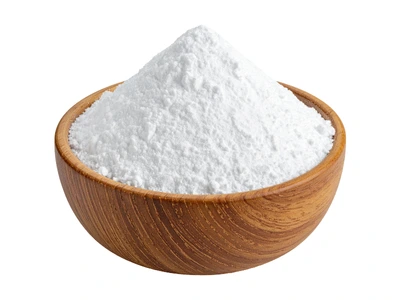
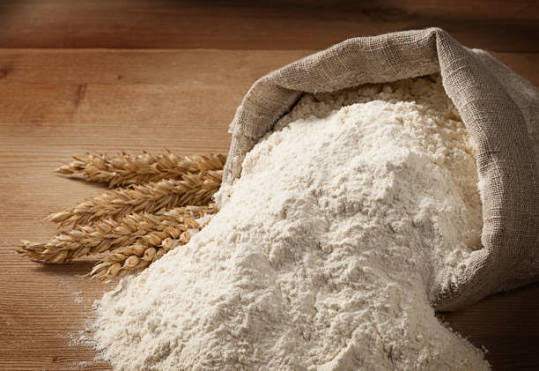
Wheat Starch and Tapioca Starch: How They Differ
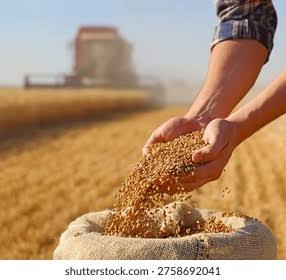
Wheat starch comes from wheat and separates the starch component from other parts of the grain during processing. Tapioca starch comes from cassava roots and undergoes washing, extraction, separation and drying before reaching food manufacturers.
Both materials can function as thickeners, but they can produce different textures and processing behavior. The right choice depends on the product, processing conditions and performance target.
Wheat starch can work well in bakery, confectionery, processed foods and selected sauces. Tapioca starch has a broad presence in sauces, snacks, bakery products, gluten-free foods and other formulations where a smooth texture or specific starch behavior is desired.
Neither ingredient should automatically replace the other at the same dosage. A substitution trial should establish the required inclusion level and confirm finished-product performance.
Functionality Matters More Than the Product Name
Procurement teams often begin a starch comparison with price, but functionality should come first. A cheaper ingredient can increase the overall formulation cost if it requires higher usage or changes the manufacturing process.
Key performance factors include:
Viscosity: Different starches can develop different levels of thickness under comparable conditions.
Texture: The choice can influence firmness, elasticity, smoothness and mouthfeel.
Gel behavior: Starch selection can affect the structure formed after heating and cooling.
Water management: Different starches can behave differently in systems where moisture control is critical.
Processing stability: Heat, shear, acidity and other conditions can change starch performance.
Freeze-thaw performance: Frozen formulations may require a starch with suitable resistance to texture deterioration.
Manufacturers should define these requirements before asking suppliers for replacement offers.
Where Wheat Starch Fits Into Food Manufacturing
Wheat starch has a strong connection to wheat-processing infrastructure, giving buyers access to established supply chains in major grain-producing and processing regions.
Its applications can include bakery products, confectionery, noodles, processed foods and sauces. It can contribute to texture and structure while also serving as a functional ingredient in formulations that use wheat-derived components.
However, wheat starch may not suit every product. Manufacturers targeting gluten-free positioning need to consider the presence of wheat and the regulatory and labeling implications associated with it.
For procurement teams, this means technical specifications should include not only performance but also the intended market and labeling requirements.
Tapioca starch offers a different raw material profile because it originates from cassava. It has gained broad attention in food applications where manufacturers seek particular texture characteristics or alternative starch sources.
Tapioca can provide useful thickening and binding performance and can contribute to smooth or elastic textures in selected formulations. Its use across gluten-free products also makes it relevant to manufacturers developing alternatives to wheat-based ingredients.
The supply chain does, however, depend on cassava cultivation and processing. This creates agricultural exposure that differs from wheat.
For buyers, the diversification value can be important. A manufacturer that relies heavily on wheat-derived ingredients may use tapioca starch as an additional sourcing option where the formulation permits.
Availability Depends on the Region
Neither wheat starch nor tapioca starch has a universal availability advantage. Local supply conditions can change the economics considerably.
Wheat starch benefits from the extensive global wheat industry. Regions with large wheat-processing sectors can offer established supplier networks and relatively efficient domestic logistics.
Tapioca starch has stronger links to cassava-producing countries, particularly in Southeast Asia. Thailand and Vietnam are important origins for internationally traded tapioca starch, while other cassava-producing regions also contribute to global supply.
For an importer, the most attractive origin depends on destination, order volume, freight rates and supplier capability. A geographically closer source may deliver a higher product price but a lower landed cost.
Crop Risk Creates Different Supply Exposures
Wheat and cassava respond differently to agricultural conditions. Wheat production faces exposure to drought, excessive rainfall, temperature fluctuations and geopolitical disruptions affecting grain markets.
Cassava also faces weather and agricultural risks, but its production cycle and regional concentration differ from wheat. Disease pressure, rainfall and farm economics can influence cassava availability.
This creates an important distinction for supply-chain resilience.
A buyer switching from wheat starch to tapioca starch may reduce exposure to wheat-market risks, but it does not eliminate agricultural risk. Instead, it changes the underlying risk profile.
Procurement teams should therefore evaluate the complete supply chain rather than assuming one crop is inherently safer than another.
Pricing: Compare Cost in Use, Not Just Cost per Ton
The most useful price comparison starts with the delivered cost of the ingredient. Buyers should then calculate the cost of achieving the required functionality in the finished product.
Several factors can influence the final price of both starches:
Raw material prices
Crop yields
Processing costs
Energy prices
Labor
Packaging
Export demand
Freight rates
Currency movements
Supplier margins
Tapioca starch may offer an attractive unit price in some sourcing markets, but freight can change the economics for distant buyers. Wheat starch can benefit from local grain-processing infrastructure in some regions, potentially reducing logistics costs.
Procurement teams should request comparable quotations based on equivalent specifications, shipment sizes and Incoterms.
Native Versus Modified Starch Changes the Comparison
A direct wheat-versus-tapioca comparison becomes more complicated when modified starch enters the discussion.
Native wheat starch and native tapioca starch have their own functional characteristics. Modified starches can provide enhanced resistance to heat, acidity, shear or freeze-thaw conditions.
A manufacturer that needs a highly specialized performance profile may therefore compare modified grades rather than simply selecting between two native starches.
This can significantly change the cost calculation. The most economical option may be the ingredient that delivers the required performance with the lowest dosage and fewest processing adjustments.
Technical teams should establish the target specification before procurement evaluates commercial alternatives.
Frozen and Convenience Foods Need Extra Testing
Frozen and convenience food manufacturers face particular challenges when selecting starches. Products may undergo heating, cooling, freezing, storage and reheating before reaching the consumer.
A starch that performs well during initial processing may not deliver the same texture after frozen storage. Water migration can also affect the finished product.
For these applications, manufacturers should test both wheat and tapioca starch under realistic conditions.
Testing should examine:
Initial processing: Does the starch hydrate and develop viscosity as expected?
Frozen storage: Does the product retain its desired structure?
Thawing: Does the formulation release excess water or lose texture?
Reheating: Does the product maintain acceptable viscosity and mouthfeel?
Shelf life: Does performance remain consistent throughout the intended storage period?
These tests can prevent procurement teams from selecting an ingredient based solely on laboratory viscosity measurements.
Supply-Chain Resilience Favors Diversified Sourcing
A resilient starch procurement strategy should avoid excessive dependence on one raw material, supplier or region.
Manufacturers can qualify both wheat starch and tapioca starch where formulations permit. This creates a potential fallback option when one supply chain experiences disruption or unfavorable pricing.
Supplier diversification should also extend across manufacturers. Buying from multiple distributors does not provide meaningful diversification if they all source from the same producer.
Procurement teams should ask suppliers about:
This information helps buyers understand the actual resilience behind a supplier quotation.
Freight and Landed Cost Can Change the Winner
International starch procurement requires a complete landed-cost calculation. Product price represents only one part of the purchasing decision.
A buyer should account for ocean freight, insurance, port handling, customs-related charges and inland transportation. Shipment size also affects the cost per ton.
Tapioca starch sourced from Southeast Asia may be highly competitive for buyers located near major Asian shipping routes. Wheat starch can become attractive where regional wheat-processing infrastructure provides shorter transportation distances.
For global traders and importers, route flexibility can therefore be as important as the origin price.
Quality Consistency Is a Commercial Consideration
Two starches can meet the same broad specification but still behave differently from batch to batch. Variability can create production adjustments, finished-product inconsistencies and additional quality-control work.
Procurement teams should evaluate suppliers on consistency rather than accepting the lowest quotation automatically.
A supplier qualification program should cover:
Certificate of analysis requirements.
Batch-to-batch consistency.
Food safety documentation.
Technical specifications.
Sample approval.
Packaging standards.
Production capacity.
Lead-time performance.
Export documentation.
Complaint-response procedures.
Long-term supply agreements can also establish agreed specifications and procedures for handling deviations.
When Tapioca Makes More Sense
Tapioca starch may become the stronger procurement option when the formulation benefits from its particular texture characteristics or when the manufacturer wants to diversify away from wheat.
It can also make commercial sense when the buyer has access to competitive Southeast Asian supply and favorable freight routes.
For gluten-free products, tapioca can provide an important sourcing advantage where wheat-derived ingredients cannot meet the product's requirements.
However, buyers should still assess crop risk, supplier capacity and delivered cost before making a long-term switch.
When Wheat Starch May Be the Better Choice
Wheat starch can remain attractive where manufacturers already operate within established wheat-based supply chains. Local availability can reduce freight exposure and simplify replenishment.
It may also provide a better fit for products where wheat-derived ingredients align with the existing formulation and labeling strategy.
For manufacturers with predictable demand, long-term agreements with reliable wheat starch suppliers can provide greater price and supply visibility.
The best choice ultimately depends on application requirements and the buyer's geographic position.
A Practical Procurement Framework
Manufacturers comparing the two starches can use a structured evaluation rather than relying on supplier quotations alone.
Start by ranking the ingredients against five questions:
1. Does it meet the technical specification? Reject alternatives that fail the required functional tests.
2. What is the cost in use? Calculate dosage and finished-product impact.
3. How reliable is the supply? Assess crop exposure, supplier capacity and lead time.
4. What is the landed cost? Include freight, handling and other import expenses.
5. Can the supply chain scale? Confirm that the supplier can support both routine and peak demand.
This approach turns a simple ingredient comparison into a broader procurement decision.
What Procurement Teams Should Do Now
Wheat starch and tapioca starch should not be treated as interchangeable commodities. Their differences in raw material origin, functionality, geographic availability and logistics can materially affect manufacturing economics.
Procurement teams should prioritize technical qualification first, then compare suppliers on cost in use and supply resilience. Where formulation requirements permit, maintaining both starch categories as approved alternatives can provide valuable flexibility.
Buyers should also monitor crop conditions, freight markets and regional processing capacity. These factors can change the relative attractiveness of each origin over time.
For manufacturers, the strongest strategy is not necessarily to choose one starch permanently. It is to create enough formulation and supplier flexibility to shift sourcing when market conditions change