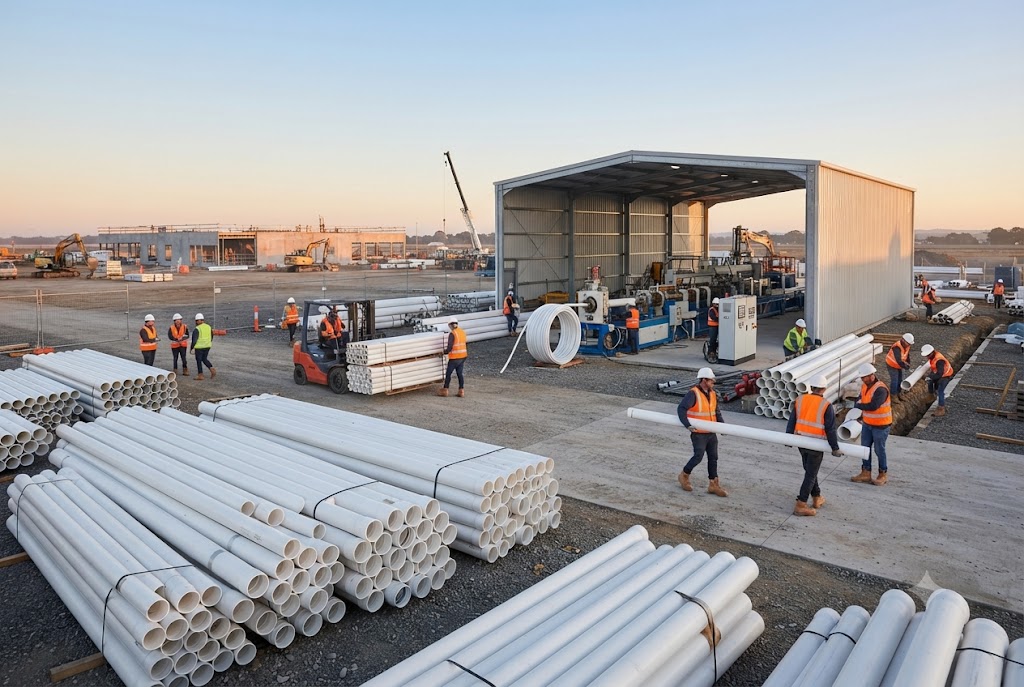
Global housing starts and massive infrastructure bills are finally pulling the polymer market out of its prolonged slump. Traders track PVC demand daily because the construction sector consumes more than sixty percent of all global polyvinyl chloride production.
This building recovery transforms quiet warehouses into busy loading docks across major economic zones. Window profiles, drainage pipes and wire insulation all require steady resin flows to keep manufacturing lines running.
Procurement managers who ignored the construction cycle over the last two years now face tight allocations and rising spot premiums. The following sections explore exactly how this real estate revival alters global trade flows and what buyers must do to secure their feedstock. Market participants must adapt their contract strategies immediately to survive this sudden shift in material requirements.
How the Construction Recovery Drives Global PVC Demand
The real estate sector directly dictates the health of the chlor-alkali value chain. When developers break ground on new residential subdivisions, they immediately trigger massive orders for plumbing and electrical materials.
Commercial renovations also contribute heavily to this volume surge. Office buildings and retail spaces upgrading their HVAC systems and interior layouts require extensive amounts of rigid and flexible polymers.
Government stimulus packages accelerate this timeline by funding public works. These massive capital injections guarantee multi-year visibility for resin producers and compounders.
Residential housing starts drive rigid pipe and window profile extrusion, which accounts for the largest share of suspension grade consumption.
Commercial real estate renovations boost demand for flexible grades used in flooring, wall coverings and wire coatings.
Public infrastructure projects lock in long-term volume for large-diameter water and sewer mains.
Key Building Materials Consuming Polyvinyl Chloride
Builders choose this polymer because it offers an unbeatable combination of durability, chemical resistance and low cost. Extruders melt the powder down to create complex shapes that withstand decades of weather and physical stress.
Rigid applications dominate the volume charts. Pipes and fittings for water distribution represent the single largest end-use segment in almost every major economy.
Window frames and siding profiles follow closely behind. These building envelope components rely heavily on impact modifiers and stabilizers to maintain their structural integrity under direct sunlight.
Flexible applications capture the remaining market share. Cable insulation, synthetic leather and commercial flooring all require plasticizers to achieve the necessary bend radius and tactile feel.
Infrastructure Spending and Public Works Projects
National governments recognize that building physical infrastructure stimulates broader economic growth. Legislators pass multi-year funding bills that specifically target water treatment, transportation and energy grid upgrades.
These public works projects consume enormous quantities of large-diameter pressure pipes. Municipalities mandate strict material specifications that heavily favor polyvinyl chloride over traditional concrete or metal alternatives.
The sheer scale of these government contracts absorbs surplus market inventory very quickly. Producers prioritize these massive tenders because they offer guaranteed volume and reliable payment terms.
This public sector pull creates a solid floor under pricing. Even when private residential construction slows down slightly, the ongoing infrastructure build-out prevents the market from falling into a deep oversupply.
Regional Hotspots for PVC Resin Consumption
Different geographic zones experience this building recovery at different speeds and intensities. Local demographics and government policies dictate exactly where the physical material flows.
North America benefits from strong population growth in the southern and western states. Developers build sprawling suburban housing tracts that require miles of underground plumbing and extensive exterior siding.
India posts the fastest growth rates as rapid urbanization forces massive city expansion. The government pushes heavily for affordable housing and modern sanitation networks, which directly translates into surging polymer imports.
Europe focuses more on energy efficiency retrofits. Building owners replace old single-pane windows with highly insulated multi-chamber profiles to meet strict new continental carbon emission targets.
Supply Chain Adjustments for Chlor-Alkali Producers
Resin manufacturers must ramp up their operating rates to satisfy this sudden spike in downstream orders. They run their polymerization reactors continuously to build inventory before the peak building season arrives.
This production surge requires massive amounts of chlorine and ethylene. Chlor-alkali plants increase their electrolysis output, which simultaneously floods the market with caustic soda as a mandatory byproduct.
The economics of the entire chlor-alkali block shift dramatically. Producers evaluate their combined margins rather than looking at the polymer price in isolation.
Logistics networks also stretch to accommodate the heavier traffic. Railcars and bulk pneumatic trucks run continuous loops between the cracker sites and the downstream compounding facilities.
Price Dynamics and Contract Strategies for Buyers
The sudden demand spike compresses the discount that buyers usually negotiate during slow periods. Spot cargos sell at full list price, and producers allocate their limited output to their most loyal contract customers.
Compounders face intense pressure to secure their base resin before the extrusion season peaks. They lock in volume early and accept slightly higher prices to guarantee their manufacturing lines never starve.
Freight costs add another layer of complexity to the final landed price. Shipping containers from major export hubs to growing construction markets command premium rates during the peak building months.
Index-linked contracts provide the best protection against sudden spot market spikes while allowing buyers to benefit if feedstock costs soften.
Take-or-pay agreements guarantee physical allocation during tight markets, but they penalize buyers if their own downstream construction projects face unexpected delays.
Spot purchases offer maximum flexibility but expose procurement teams to severe price volatility when regional inventories run low.
What Procurement Teams Should Do Now
The construction recovery fundamentally alters the leverage balance between resin sellers and polymer buyers. Procurement managers must act decisively to secure their supply lines before the peak building season fully materializes.
Audit your current inventory levels and compare them against your projected extrusion schedules for the next two quarters. Identify any critical gaps where a sudden force majeure event could halt your production lines.
Engage multiple suppliers across different geographic regions to mitigate localized logistics risks. Relying on a single domestic producer leaves your operation vulnerable to unexpected rail strikes or utility curtailments.
Lock in your base volume requirements through long-term contracts while leaving a small percentage open for spot market opportunism. This hybrid approach balances supply security with financial flexibility.
The building boom hands significant leverage back to the producers. Ready to source PVC resin from verified global suppliers? Explore competitive offers on our platform today.