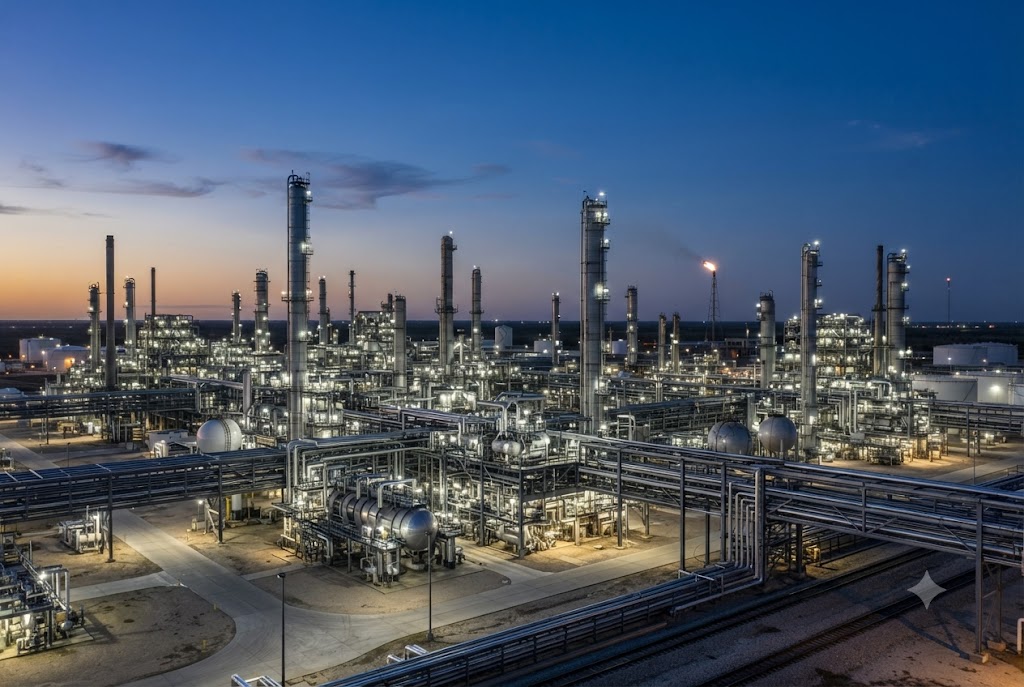
South Korea faces a brutal reckoning in its foundational chemical sector. Years of aggressive expansion created a massive domestic surplus that now clashes with relentless export competition from China and the Middle East.
The government in Seoul recently unveiled a sweeping South Korea petrochemical restructuring plan to save the industry from chronic unprofitability. Officials explicitly target small standalone naphtha crackers for permanent closure to balance the national supply sheet.
This state-backed rationalization forces global traders and procurement managers to rewrite their Asian sourcing strategies. The removal of marginal capacity will tighten regional olefin markets and alter downstream polymer pricing for years to come.
Why Seoul Targets Small Standalone Naphtha Crackers
The South Korean chemical industry built its global reputation on massive export volumes. However the sheer scale of recent Chinese capacity additions completely destroyed the export margins for older Korean facilities.
Small standalone crackers suffer from a severe structural disadvantage. They lack the deep downstream integration of larger complexes and cannot absorb high feedstock costs through specialty chemical premiums.
These older units run almost entirely on imported naphtha. They produce basic ethylene and propylene that must compete directly against cheap coal-derived olefins from China and ethane-derived material from the United States.
Most small standalone crackers operate in isolated industrial parks without direct pipeline connections to downstream derivative plants. They must transport their basic olefins via truck or rail to local buyers which adds significant logistical friction.
The government recognizes that propping up these uncompetitive assets drains national resources. Seoul wants to consolidate the industry into a few highly efficient mega-complexes that can actually survive the current global downcycle.
The Mechanics of Capacity Rationalization
Ministry officials are not just suggesting voluntary cuts. They are actively engineering mergers and forcing physical shutdowns through strict environmental and efficiency mandates.
The Ministry of Trade Industry and Energy leads this aggressive consolidation effort alongside environmental regulators. They set strict deadlines for operators to submit their voluntary retirement plans or face punitive carbon taxes.
The state offers financial support for companies that voluntarily retire outdated equipment early. This subsidy program accelerates the demolition of small furnaces and clears the land for more profitable specialty chemical investments.
Financial institutions also play a crucial role by restricting new loans to uncompetitive petrochemical assets. Banks refuse to fund routine maintenance turnarounds for older furnaces which forces owners to accelerate their closure timelines.
Three primary mechanisms drive this consolidation:
Mandatory efficiency audits: The government forces every cracker to prove its global competitiveness or face forced closure.
Subsidized asset retirement: State funds compensate operators who permanently dismantle old furnaces and cancel future expansion projects.
Forced corporate mergers: Regulators pressure overlapping producers to combine their downstream derivative assets to eliminate internal competition.
Impact on Global Ethylene and Propylene Trade Flows
Removing marginal Korean capacity directly reduces the volume of seaborne olefins available to regional buyers. Southeast Asian and Indian importers who relied on short transit times from Ulsan and Yeosu must now look further afield.
This supply reduction creates a tighter regional market. Traders will see Asian spot premiums widen as the physical buffer of excess Korean material disappears from the water.
The physical removal of Korean supply opens new shipping lanes for Middle Eastern and American cargoes to flow directly into Northeast Asia. Very large gas carriers that previously discharged in the Middle East will now sail straight to Japanese and Taiwanese terminals.
Freight forwarders and chemical shipowners quickly adjust their voyage schedules to capture these new long-haul routes. This shift permanently alters the regional arbitrage mathematics and forces traders to recalculate their landed cost models.
Downstream Polymer Markets Feel the Squeeze
The closure of basic olefin plants inevitably restricts the feedstock available for local polymer production. Korean compounders and extruders will face tighter allocation for domestic polyethylene and polypropylene grades.
This dynamic forces Korean polymer producers to prioritize their highest margin specialty products. Commodity packaging and injection moulding grades will see reduced domestic output and higher export prices.
Automotive and appliance manufacturers in the region will feel the immediate impact of tighter polymer allocations. These industries require highly consistent material quality and cannot easily switch to untested overseas suppliers without lengthy requalification trials.
Compounders will respond by blending imported basic resins with local specialty additives to maintain their production schedules. This blending strategy increases their overall raw material costs and eventually forces them to raise prices for their final customers.
Global buyers who use Korean polymers as a benchmark for quality and reliability must prepare for longer lead times. The era of abundant cheap commodity resin shipping out of Busan is rapidly coming to an end.
Feedstock Economics and the Naphtha Trap
The fundamental problem for standalone crackers is the massive cost gap between naphtha and lighter feedstocks. Naphtha prices track global crude oil markets and carry a heavy transportation premium for importing nations.
US producers crack cheap shale ethane and achieve ethylene yields near eighty percent. Middle Eastern producers utilize associated gas at virtually zero cost to feed their massive world-scale complexes.
Naphtha cracking yields a complex slate of byproducts including benzene, toluene and xylene. Producers rely heavily on these aromatics to subsidize the high cost of their primary ethylene production when polymer margins collapse.
However the global aromatics market also suffers from massive Chinese overcapacity. This simultaneous squeeze on both the olefin and aromatic fronts completely destroys the profitability of small standalone naphtha crackers.
Seoul understands that no amount of operational tweaking can fix this feedstock disadvantage. The only viable solution is to shut the worst assets and focus national capital on high-value downstream derivatives.
Opportunities for Importers and Chemical Traders
Market disruption always creates arbitrage opportunities for agile trading houses. The physical removal of Korean supply opens new lanes for Middle Eastern and American cargoes to flow into Northeast Asia.
Traders can secure long term lift agreements with US Gulf Coast exporters and sell the material into the newly constrained Japanese and Southeast Asian markets. The wider geographical spread easily covers the increased freight costs.
Agile trading houses will structure complex back-to-back deals to bridge the geographical gap between new suppliers and legacy buyers. They assume the freight risk and currency exposure which allows downstream manufacturers to maintain stable local pricing.
Importers also gain leverage when negotiating with the remaining large Korean producers. The surviving mega-complexes will want to secure stable base load volumes to keep their newly consolidated assets running at optimal rates.
Secure US and Middle Eastern origins: Lock in long term contracts with gas-fed producers to replace the lost Korean volume.
Negotiate better freight terms: Charter rates for chemical vessels might soften slightly as the total volume of short-haul Asian trade decreases.
Target specialty derivatives: Shift your purchasing focus toward the high-value Korean chemicals that the government actively wants to promote.
The Shift Toward Specialty Chemicals
Seoul wants the surviving mega-complexes to pivot heavily toward high-value specialty chemicals. These advanced materials command premium pricing and face far less direct competition from massive Chinese commodity plants.
Producers will invest their retained capital into battery materials, advanced photoresists and high-performance engineering plastics. This strategic pivot ensures the national chemical sector remains profitable even as basic olefin volumes shrink.
Global buyers sourcing these advanced materials will actually benefit from the restructuring. The surviving Korean producers will dedicate their best engineering talent and newest reactors to these high-margin specialty product lines.
What Procurement Teams Must Do Now
The structural contraction of the South Korean petrochemical sector is permanent. Procurement managers must immediately audit their exposure to small standalone Korean suppliers and identify alternative origins before physical shortages occur.
Begin qualifying alternative overseas suppliers immediately to ensure your production lines never face unexpected starvation. Request sample cargoes from US and Middle Eastern producers and run them through your extrusion equipment to verify physical performance.
Diversify your supply base heavily toward gas-fed producers in the Americas and the Middle East. These regions possess the low-cost feedstock required to sustain long term polymer production through the current global downcycle.
Build strong relationships with the surviving large Korean conglomerates to secure your allocation of premium specialty grades. These consolidated entities will control the future supply of high-value materials and will heavily favor loyal long-term partners.
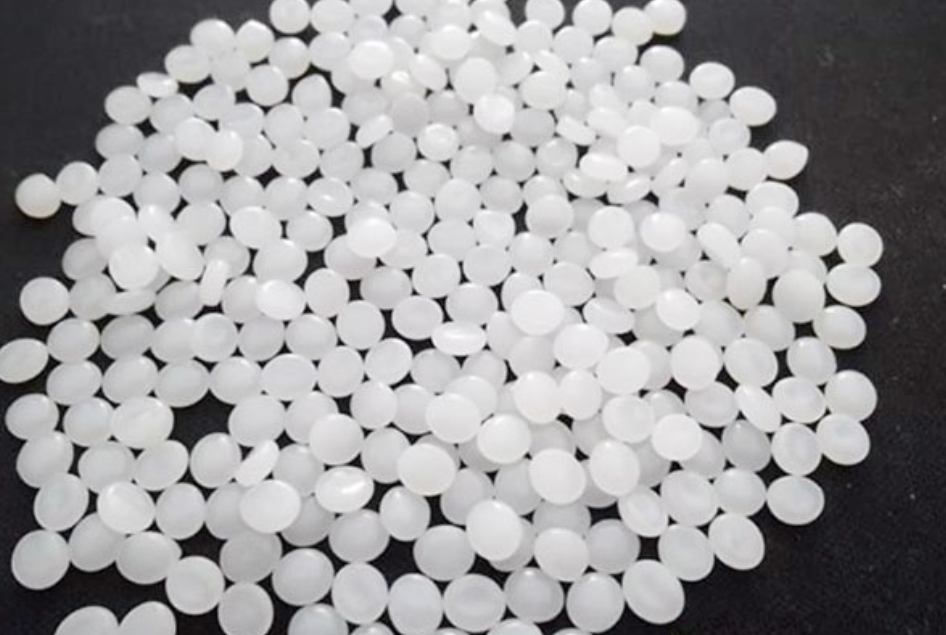
Adaptability and geographic diversification now define success in Asian chemical procurement. Ready to source high density polyethylene from verified global suppliers? Explore competitive offers on our platform today.