Global Chemical Downcycle: Impact on Agrochemical Capital Investment | ChemicalsBlog.com
Agrochemicals & Fertilizers
schedule3 Min Read
Reading the Global Chemical Downcycle's Impact on Agrochemical Capital Spending
terminal
prodchem
Jul 16, 2026
The global chemical industry continues to navigate a challenging business environment marked by slower demand, pricing pressure, and cautious investment. According to Deloitte's 2026 Chemical Industry Outlook, many chemical companies are prioritizing cash flow preservation, operational efficiency, and portfolio restructuring over large-scale expansion projects.
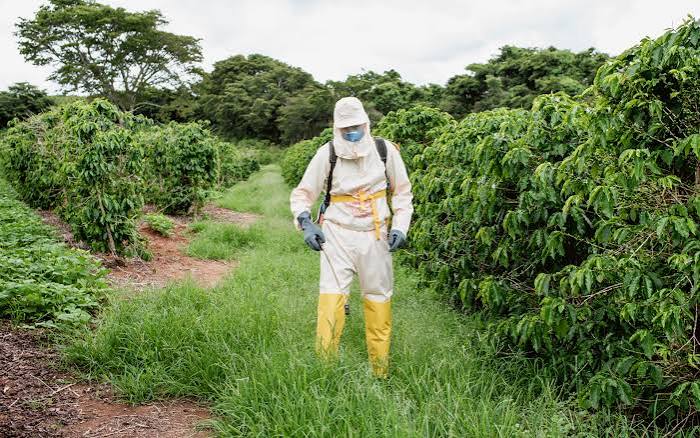
This shift is also influencing the agrochemical sector. Manufacturers are becoming more selective about where they invest, balancing short-term financial performance with long-term innovation. While investment in new crop protection technologies continues, companies are placing greater emphasis on projects that offer clear commercial value and sustainable returns.
For agrochemical manufacturers, distributors, and procurement professionals, understanding these investment trends can help support better sourcing, planning, and strategic decision-making.
Why Capital Spending Matters in Agrochemicals
Capital investment supports innovation, manufacturing expansion, and operational improvements throughout the agrochemical industry.
Typical investment areas include:
New active ingredient research
Production capacity expansion
Manufacturing modernization
Process automation
Sustainability initiatives
Research and development (R&D)
Strategic capital allocation helps companies remain competitive while adapting to changing market conditions.
Capital investment supports the production and supply of essential agricultural inputs, including Urea, Mono Ammonium Phosphate (MAP), Di-Ammonium Phosphate (DAP), Ammonium Sulphate, Zinc Sulphate, and Copper Sulphate. Continued investment in manufacturing facilities and production technologies helps improve product quality, operational efficiency, and long-term supply reliability.
How the Chemical Downcycle Is Influencing Investment
During periods of market uncertainty, companies often focus on financial discipline before expanding production.
Current priorities include:
Preserving cash flow
Improving operational efficiency
Portfolio optimization
Cost management
High-return investment projects
Supply chain resilience
This disciplined approach allows businesses to strengthen financial performance while preparing for future market recovery.
Procurement Considerations
Procurement teams should understand how changing investment priorities may influence supplier capabilities and product availability.
Important considerations include:
Supplier financial stability
Manufacturing investment plans
Product portfolio strategy
Supply chain resilience
Innovation capabilities
Long-term sourcing partnerships
Working with financially stable suppliers can help reduce procurement risks during periods of market uncertainty.
Looking Ahead
Although the current market environment has encouraged more disciplined capital spending, innovation remains essential for the future of agriculture. Companies are expected to continue investing in technologies that improve crop productivity, sustainability, and manufacturing efficiency, while carefully prioritizing projects that deliver measurable long-term value.
For procurement professionals, monitoring supplier investment strategies and maintaining diversified sourcing relationships will remain important as the chemical industry moves through the current business cycle.
Key Takeaways
Chemical companies are prioritizing cash flow and operational efficiency during the current downcycle.
Agrochemical manufacturers are becoming more selective with capital investments.
Innovation continues, with greater focus on high-value and sustainable projects.
Procurement teams should monitor supplier financial health and investment strategies.
Long-term partnerships support supply chain resilience during changing market conditions.