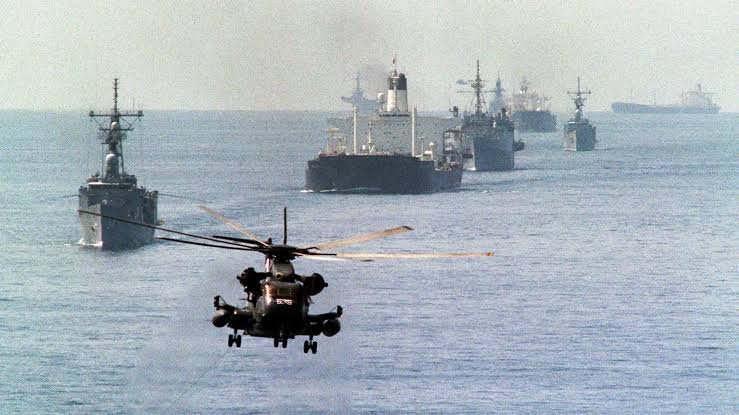
The UN spokesman's warning of an "even wider conflict" has renewed attention on one of the world's most strategically important regions for food and agricultural trade. While the statement does not indicate an immediate disruption to commodity flows, procurement teams are watching closely because the region plays a significant role in global grain, fertilizer and energy markets.
For food ingredient buyers, geopolitical developments matter long before physical shortages appear. Rising uncertainty can influence freight markets, energy costs, insurance premiums and supplier pricing, all of which contribute to the final landed cost of food ingredients and agricultural inputs.
Why the Region Matters to Global Food Security
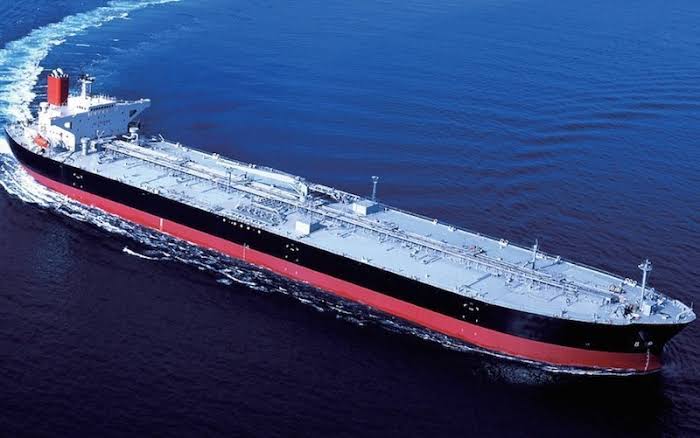
The wider Middle East occupies an important position within global commodity trade. It serves as both a major energy producing region and a vital maritime corridor connecting producers and consumers across Europe, Asia and Africa.
Its importance extends beyond oil exports because it also supports:
International shipping routes used for grain and food ingredient trade.
Fertilizer production and exports that support agricultural output worldwide.
Bulk commodity movements linking major producing and consuming regions.
Disruptions in any of these areas can influence food manufacturing costs far beyond the region itself.
Grain Markets Depend on Reliable Trade Routes
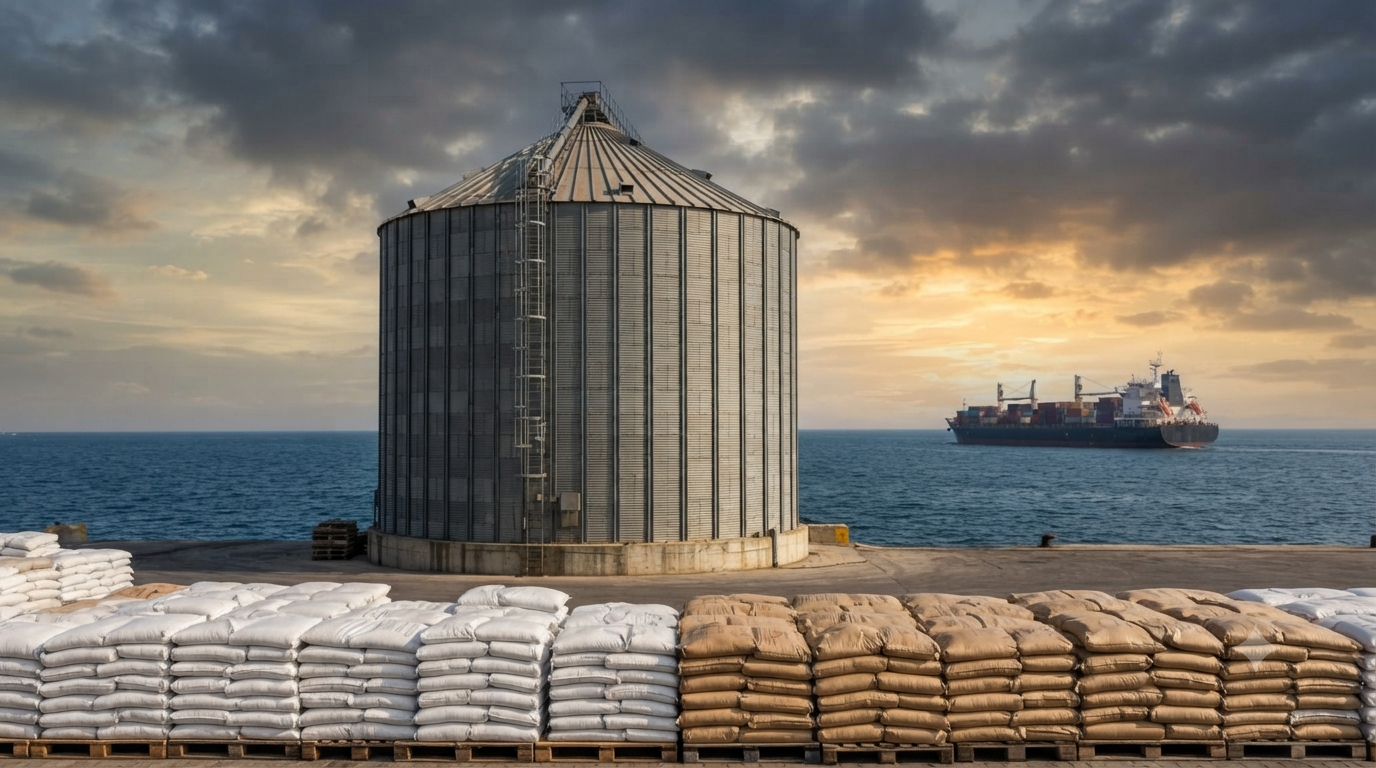
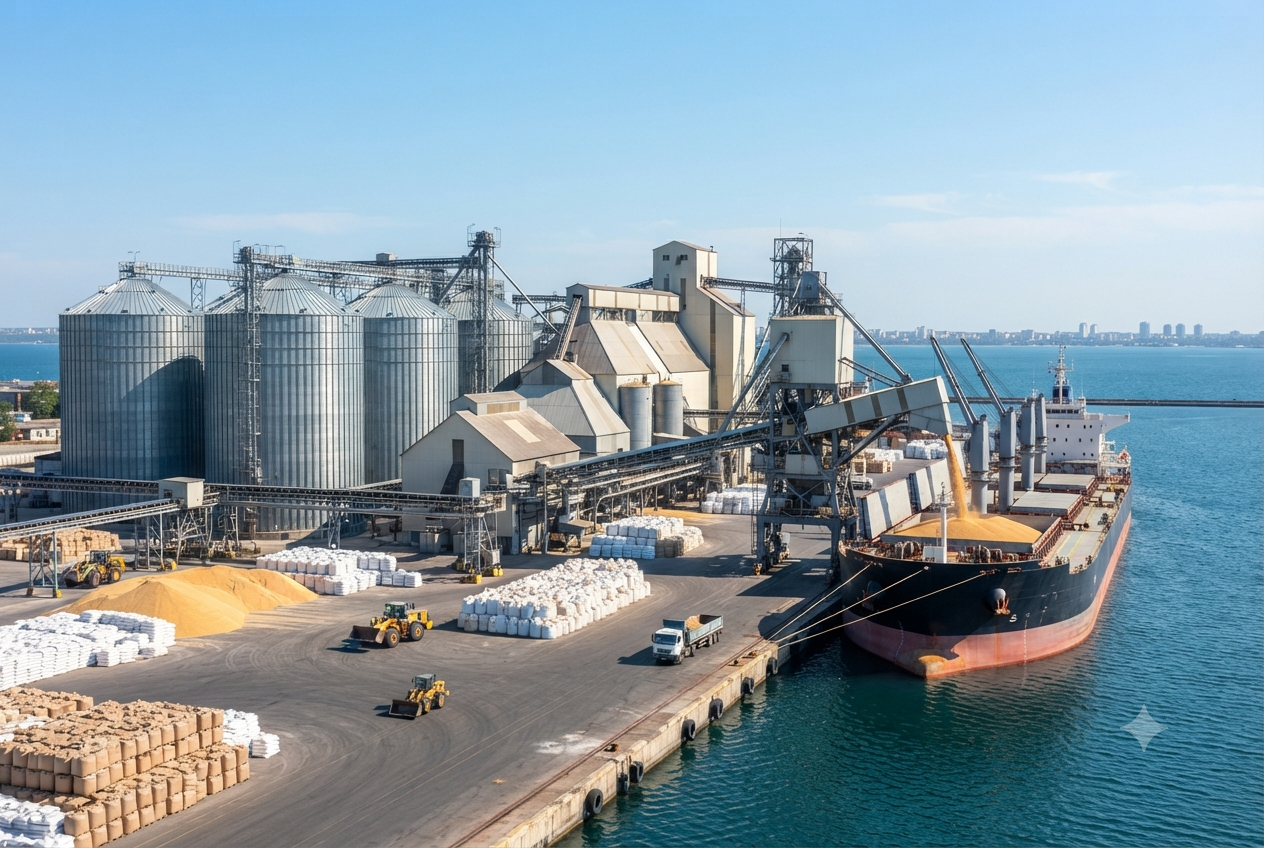
Global grain markets rely on efficient maritime logistics to move large volumes of wheat, corn and other agricultural commodities between continents.
If regional tensions increase shipping uncertainty, buyers could experience:
Higher ocean freight costs.
Longer delivery schedules.
Increased cargo insurance expenses.
Greater competition for available shipping capacity.
These pressures may raise procurement costs even when grain harvests remain strong.
Fertilizer Supply Has Global Implications
Fertilizers play a direct role in agricultural productivity and food ingredient availability. Any disruption affecting fertilizer production, exports or transportation can eventually influence crop production in importing countries.
Important considerations for procurement professionals include:
Higher fertilizer costs can increase agricultural production expenses.
Farmers may adjust application rates if prices remain elevated.
Crop yields can become more sensitive to input availability over time.
Rising production costs often flow through to food processors and ingredient manufacturers.
For businesses purchasing agricultural raw materials, fertilizer markets deserve the same attention as crop prices.
Energy Markets Remain a Critical Cost Driver
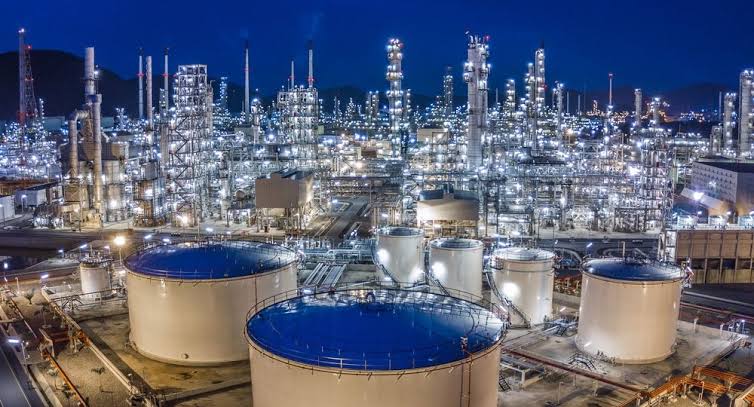
Food ingredient manufacturing depends heavily on stable energy supplies. Industrial fermentation, drying, milling and chemical processing all require significant amounts of electricity or fuel.
Products that could face indirect cost pressure include:
Citric acid produced through fermentation.
Corn starch and maltodextrin processed using energy intensive equipment.
Packaging polymers manufactured from petrochemical feedstocks.
Industrial chemicals supporting food processing operations.
Extended energy market volatility can gradually increase manufacturing costs throughout the supply chain.
Procurement Teams Should Monitor More Than Commodity Prices
Commodity pricing alone does not provide a complete picture of procurement risk. Supply chain resilience increasingly depends on understanding the interaction between logistics, energy and geopolitical developments.
Key indicators worth monitoring include:
Ocean freight market trends.
Fertilizer pricing and export activity.
Marine insurance costs.
Regional shipping advisories.
Energy market movements affecting industrial production.
Reviewing these indicators together supports more informed purchasing decisions.
Building Resilience During Periods of Uncertainty
Businesses cannot predict geopolitical events, but they can improve their ability to respond when market conditions change.
Effective procurement strategies include:
Diversify suppliers across multiple regions where commercially practical.
Review inventory policies for critical food ingredients.
Maintain regular communication with logistics providers.
Monitor supplier lead times and production schedules.
Evaluate long term contracts for pricing flexibility.
These measures help reduce exposure to sudden market disruptions while supporting supply continuity.
What Procurement Teams Should Watch Next
The UN's warning highlights the importance of preparing for a period of continued geopolitical uncertainty rather than assuming rapid market stabilisation. Even without direct disruptions to grain or fertilizer exports, changing expectations can influence freight costs, energy prices and procurement planning.
Companies that monitor agricultural markets alongside logistics and energy developments will be better positioned to manage sourcing risks in the months ahead. Early planning remains one of the most effective tools for maintaining reliable supply and controlling total procurement costs.
Ready to source corn starch from verified global suppliers? Explore competitive offers on our platform today.