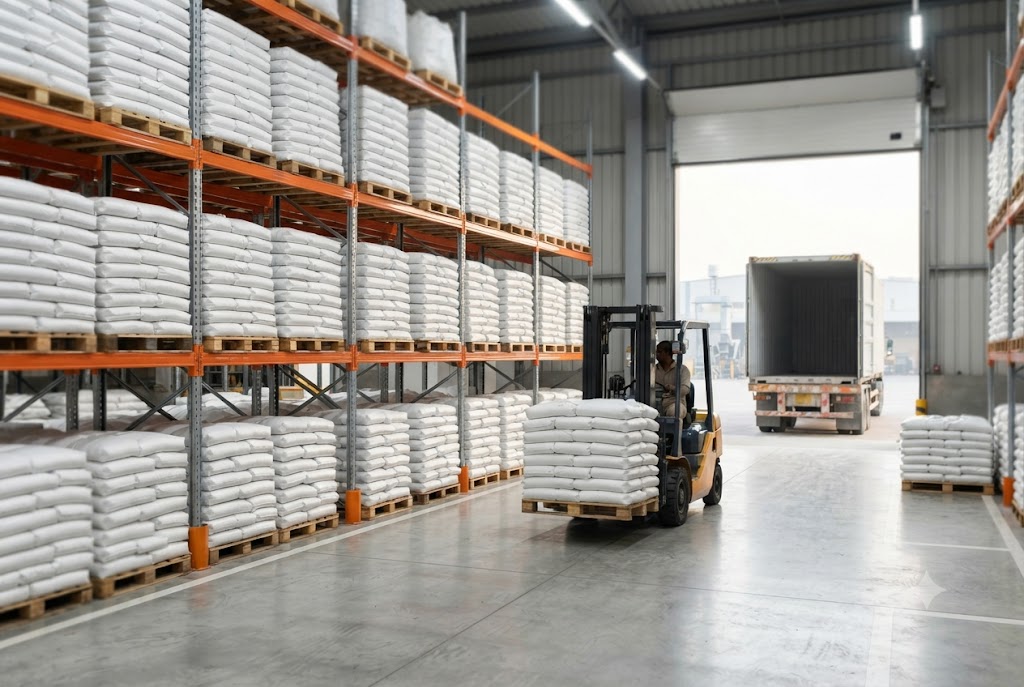
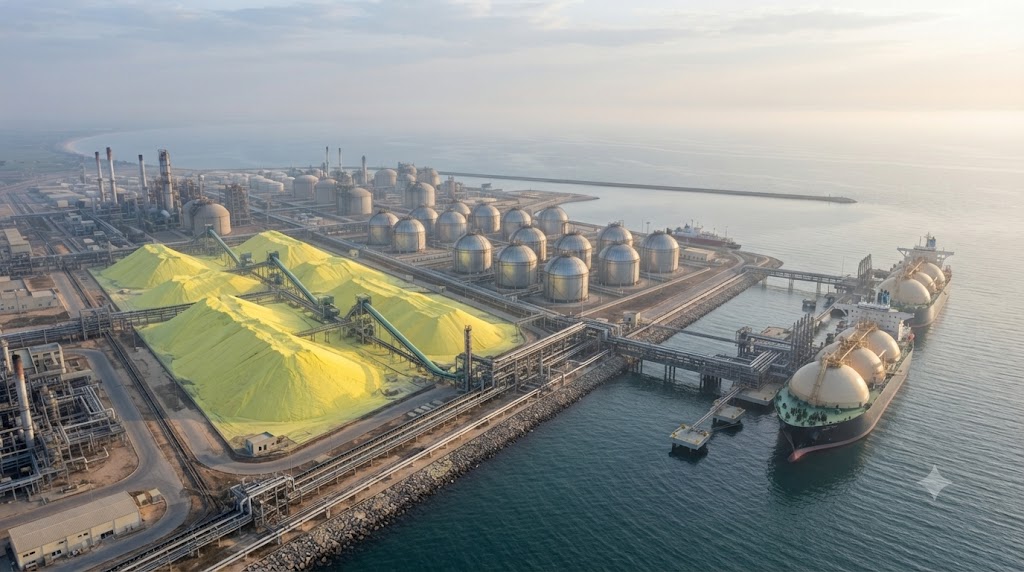
A trader recently warned that if prices climb back above 50 cents per pound after the latest sell-off it could send material sold this week at the lows on a round trip back to the exporting market. That remark captures a growing concern among polymer and basic chemical traders. After a steep price break, any quick rebound can unlock arbitrage in the wrong direction. Cargoes you thought you had placed safely into an import market can reappear as competition at home.
For producers, traders and procurement teams, this is more than a colorful phrase. Round-trip risk changes how you quote, how you time purchases and how you manage inventory in global commodity chains.
What Traders Mean by a "Round-Trip" Cargo
In chemical markets a round-trip cargo describes material that leaves an exporting region, clears customs and enters an import market, then moves back out again when price relationships flip.
Several conditions usually line up:
The exporter sells aggressively into an overseas market during a down cycle
Prices in that destination later jump above levels in the original export region
Traders or converters re-export part of that volume back to the origin or to a third region that trades at origin-linked prices
In effect, the same physical tonnes travel A to B, then B back to A, purely to capture price differences. Each leg adds freight, financing and handling costs. A round trip only makes sense when those costs remain lower than the price gain at destination.
When a trader says "raise prices above fifty and it will all come back," they are not joking. They mean that at a certain threshold, arbitrage pays for the trip in reverse.
How Price Arbitrage Normally Works
In normal markets, geographic arbitrage smooths regional price differences. Traders constantly compare:
Export netbacks from origin after freight and costs
Import parity prices at destination including duties and local handling
Domestic prices in each region
If delivered cost into an overseas market sits below that market’s domestic price, exports make sense. If it sits above, imports slow or stop.
Round-trip risk appears when this process works in reverse:
Exporters sold heavily into a region at distressed prices
That region then tightens, pushing prices higher than origin netbacks
Traders in the destination see that they can earn a margin by shipping back or redirecting cargo to another low priced region
The risk is greatest during fast price swings when contracts lag and inventories reflect old economics.
What Makes Post Sell-Off Rebounds Dangerous
After a sell-off producers and traders often feel pressure to recoup lost margin. The temptation to lift offers quickly can be strong, especially when spot volume tightens and order books improve.
Several factors make that moment fragile:
Cheap cargoes still sit in pipelines. Material sold at the bottom has not yet reached end users.
Destination inventories remain high because many buyers front loaded purchases at the lows.
Freight availability improves once panic shipping eases, making re-export logistics easier.
Producers forget netbacks and focus on local price signals, ignoring what they just sold into other regions.
If exporters drive prices up in the origin region without considering these realities, they create an incentive for destination traders to load material back out.
At that point the original exporter faces their own product as competition, but now arriving through trading houses willing to undercut official offers.
The 50 Cents per Pound Threshold and Market Psychology
The specific 50 c/lb number from the trader’s comment is less about a magic level and more about how markets anchor around round figures.
Psychology plays a role:
Below that level, buyers feel they gained meaningful concessions and tend to commit larger volumes
Above it, they become cautious and start to test alternatives again
Traders know that once published assessments cross that line, import parity calculations change abruptly
In many polyolefin and basic chemical markets, price indices cluster near quarter dollar or half dollar marks. Those points become behavior triggers.
So when a trader warns "do not chase above fifty," they are really saying "if you cross this psychological and economic line, the volumes you just placed offshore can come back as cheap competition."
Logistics, Timing and When a Round Trip Really Pays
Not every cheap cargo can or will boomerang. Practical constraints matter.
For a true round trip to work, traders must cover:
Freight both ways. Ocean freight, port handling and inland haulage add up quickly.
Financing costs while material sits in transit or storage.
Quality and documentation to meet destination specs and regulatory rules twice.
Round trips become plausible when:
Freight rates have softened after a busy season
Cargoes sit in bonded warehouses or duty free zones that simplify re-export
End markets soften, giving traders surplus inventory that they must move somewhere
Timing is crucial. If destination demand is strong and converters pull material into production quickly, very little remains to ship back. If demand disappoints, warehouses stay full and arbitrage traders search for exit routes.
That is why traders stay wary of sharp V-shaped price recoveries. They compress the time window where cheap and expensive material co-exist in different places, which is exactly the window that allows round trips.
How Producers Can Accidentally Undermine Their Own Position
Producers help create round-trip risk when they:
Slash export prices aggressively to clear inventory with little control on ultimate destination
Sell large distressed volumes via traders rather than through structured offtake agreements
Raise domestic prices rapidly as soon as signs of tightening appear, without checking export netbacks
Release bullish guidance or announcements that convince the market the bottom is in
Such behavior can backfire. Traders holding low priced export cargo now see a spread wide enough to justify shipping material back or redirecting it to a third region pegged to origin benchmarks.
In effect, producers subsidise their own future competition.
Procurement teams on the buy side can benefit in the short term, but they also risk increased volatility if producers over correct then crash prices again when re-imported tonnes show up.
What This Means for Procurement Teams
Round-trip risk is not just a problem for traders. It shapes how industrial buyers should think about timing and supplier mix.
Key implications:
When spot prices fall sharply, locking in moderate volume at the lows makes sense, but overbuying can create inventory pain if market structure flips and cheaper inbound offers appear later.
When producers begin talking up the market and lifting offers toward pre sell-off levels, buyers should ask two questions:
Long term contracts with clear price formulas buffer you from aggressive upswings but can deny you access to true bottom-of-cycle opportunities.
A procurement strategy that mixes structured volumes with some tactical spot buying, and that tracks trade flows between key regions, gives you more control than blindly chasing the cheapest number each week.
Practical Risk Management For Traders And Buyers
Both sides can reduce round-trip risk with a few disciplined practices.
For traders:
Match export volumes to realistic end-use demand, not just short term arbitrage.
Use destination clauses and resale restrictions carefully so cargoes do not boomerang without your consent.
Watch not only current price spreads but also inventory levels and freight trends that dictate how easy a round trip would be.
Avoid pushing bid or offer ideas above levels that would clearly flip netback economics for recently sold tonnes.
For producers:
Coordinate export and domestic pricing teams so that origin prices reflect what you just did in export markets.
Prefer structured export deals with visibility on end markets over blind spot tenders through multiple trading layers.
Use phased price increases after a sell-off rather than instant jumps back to previous benchmarks.
For procurement teams:
Track origin netbacks alongside domestic offers so you can tell when incoming rounds of arbitrage might appear.
Maintain relationships with more than one trader or producer in each key region to see how different players view the same arbitrage.
Build internal dashboards that link price benchmarks to known shipped volumes and published trade flows where available.
Small improvements in how you monitor these elements can save large sums when markets whip back and forth.
The Bottom Line for Procurement and Trading Teams
Round-trip cargoes used to sound like trading folklore. In the current environment of high volatility, thin margins and flexible logistics, they represent a very real possibility.
Traders now think twice before cheering a quick rebound over 50 cents per pound when they have just pushed large parcels out at the lows. Producers risk turning yesterday’s distressed exports into tomorrow’s competition if they lift offers without regard to netback economics. Procurement teams benefit from understanding these dynamics because they dictate when a price rise will stick and when it might collapse under the weight of returning tonnes.
Those who map flows, calculate round-trip thresholds and adjust pricing discipline accordingly will navigate the next cycle more profitably than those who chase every uptick.
Ready to source Linear-Low Density Polyethylene (LLDPE) from verified global suppliers? Explore competitive offers on our platform today.