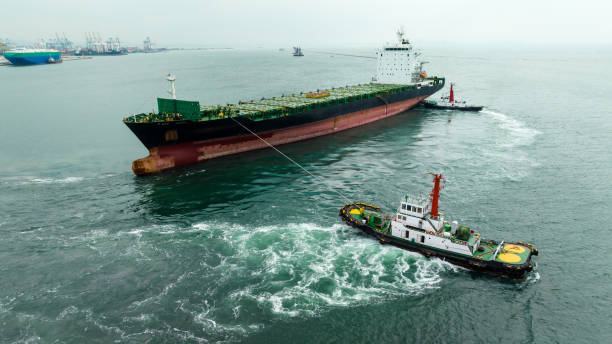
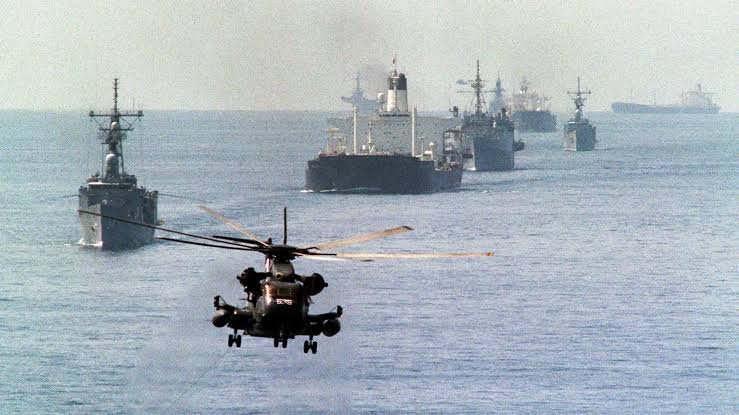
In recent weeks, the Saudi‑led coalition has intensified maritime protection in the Red Sea, citing the "persistent threat" posed by the Houthi rebels. The initiative aims to safeguard commercial shipping lanes, prevent future attacks, and maintain the steady flow of vital goods across one of the world’s busiest waterways.
The Houthi Threat Context
The Houthi movement, based in Yemen’s Saada province, has long targeted vessels transiting the Bab al‑Mandab strait and the Gulf of Aden. Their arsenal of anti‑ship missiles, small fast‑attack craft, and maritime drone swarms has evolved in sophistication, making the Red Sea a high‑risk corridor for international shipping. Recent incidents have resulted in cargo damage, crew casualties, and costly insurance premiums.
Key Indicators of Escalation
Frequency of attacks has risen from a handful per year to dozens in 2023.
Use of unmanned aerial vehicles to monitor shipping lanes.
Covert support from regional actors, complicating attribution.
Saudi‑Led Coalition Measures
The coalition’s strategy incorporates a blend of naval patrols, aerial surveillance, and coordinated search‑and‑rescue drills. It also leverages intelligence sharing with commercial shipping companies to provide real‑time threat assessments. The deployment of fast interceptor vessels and advanced radar systems has increased the patrol density by 35% across the Red Sea.
Operational Features
Deployment of 12 new fast‑interceptor boats equipped with high‑resolution radar.
Introduction of a 24/7 maritime command and control center based in Jeddah.
Regular joint exercises with international navies to refine anti‑submarine and counter‑sabotage protocols.
Collaboration distribution of threat data to shipping companies via secure maritime information exchange platforms.
Impact on Vessel Movements
Enhanced security has led to a measurable shift in shipping routes. Many vessels now detour through the Gulf of Aden or the western Red Sea to avoid high‑risk zones near Yemen’s coast. This re‑routing has increased transit times by an average of 12% and introduced additional fuel consumption, influencing freight cost structures.
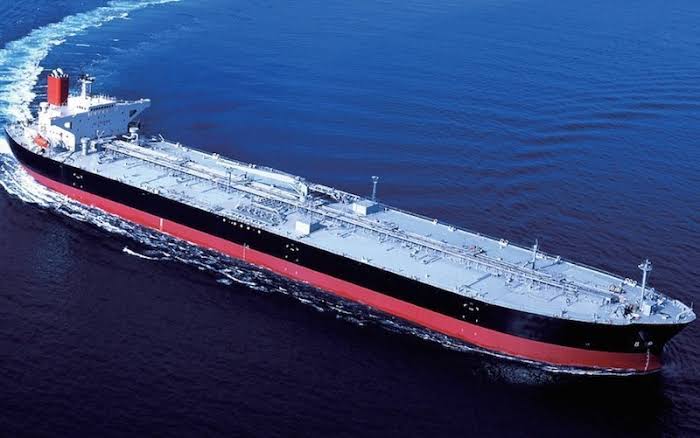
Case Study: Oil Tankers
Average detour distance increased from 150 km to 210 km.
Fuel consumption rose by 8%, adding approximately US$15,000 per voyage.
Route planning now incorporates real‑time threat intelligence.
Freight Market Implications
The combination of longer routes and heightened insurance premiums has pressured freight markets. Spot charter rates for tankers operating in the Red Sea have spiked by 22% over the past six months. Shipping lines are exploring alternative corridors, such as the Malacca Strait, to mitigate cost increases.
Insurance & Risk Management
Marine insurers have recalibrated risk models, introducing “Houthi‑risk” premiums for vessels entering the Red Sea. These adjustments reflect the coalition’s efforts to reduce the probability of successful attacks but simultaneously increase the cost of coverage.
Chemical Shipping and Supply Chain Resilience
Chemical carriers face unique vulnerabilities due to the hazardous nature of their cargo. The coalition’s protective measures are critical for hip‑risk commodities such as petrochemicals, ammonia, fist.Safeguarding these vessels ensures the uninterrupted supply of raw materials to downstream industries in the Gulf and Asia.
Strategic Response by Chemical Shipping Lines
Adoption of dual‑route planning, maintaining one secure corridor while keeping an alternative in reserve.
Installation of reinforced cargo containment systems to withstand potential missile strikes.
Enhanced crew training on emergency response protocols specific to chemical spills.
Tanker Logistics & Operational Adjustments
Tanker operators have implemented a series of logistical tweaks to align with the new security landscape. These include increased crew rotations, pre‑emptive route monitoring, and tighter coordination with the coalition’s maritime command.
Technology Integration
Real‑time GPS tracking coupled with threat alerts.
Automated ballast management to maintain optimal speed during detours.
Use of satellite communication to keep continuous contact with shore bases.
Supply Chain Resilience: Lessons and Outlook
The Red Sea security enhancements underscore the need for resilient supply chains. Companies that diversify their shipping routes, invest in technology, and collaborate closely with defense partners are better positioned to weather geopolitical disruptions.
Looking ahead, the Saudi‑led coalition’s continued presence is likely to stabilize maritime traffic, but the dynamic nature of the Houthi threat means that shipping operators must remain SELECTIVE in strategy. Continuous assessment of risk, coupled with adaptive logistics planning, will be essential to safeguard the flow of goods across this critical maritime corridor.