Why Incoterms Matter More Than Ever
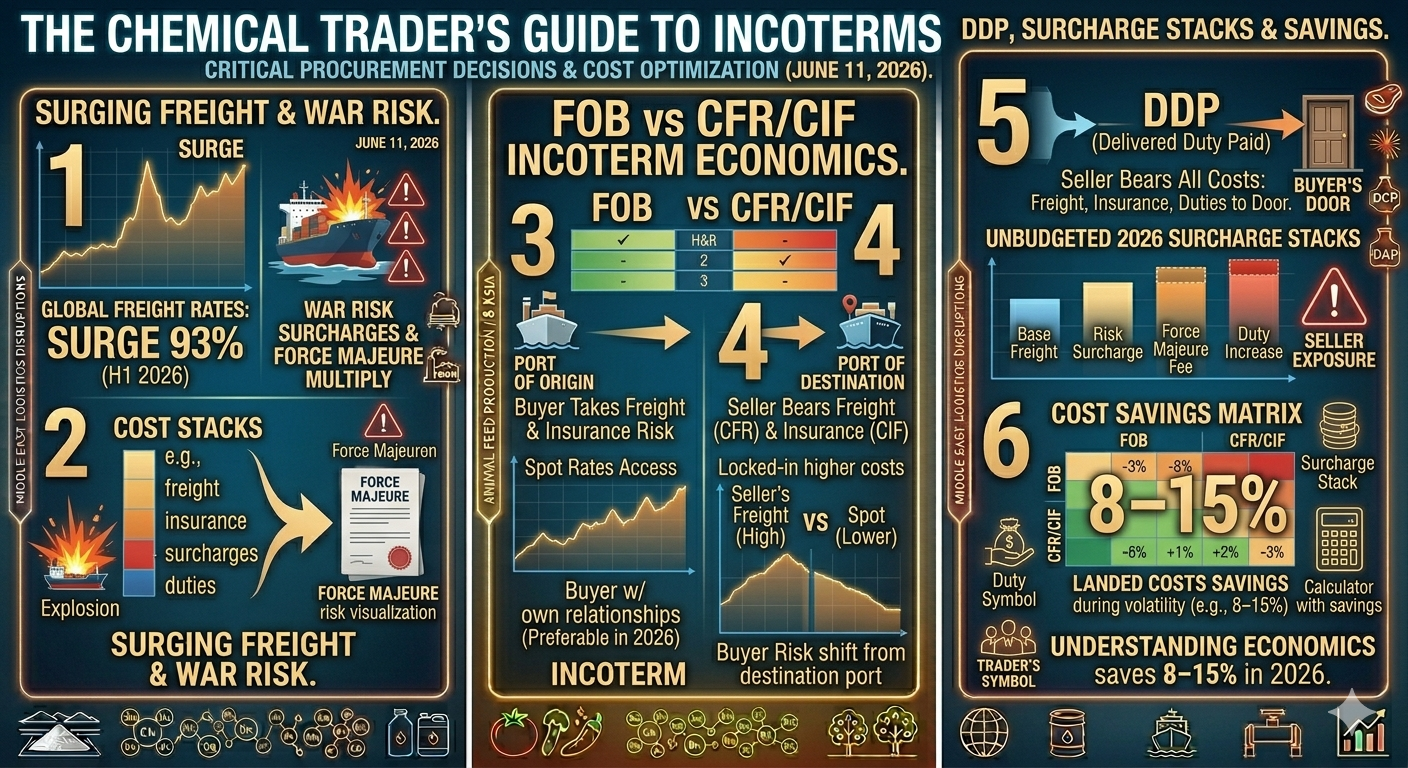
Today’s chemical trade landscape is defined by volatility. Freight rates have surged, war risk surcharges are stacked, and force‑majeure declarations are frequent. In this environment, selecting the right Incoterm is no longer a formality; it is a strategic procurement decision that can shave 8–15% off landed costs.
Key Incoterms for Chemical Shipping
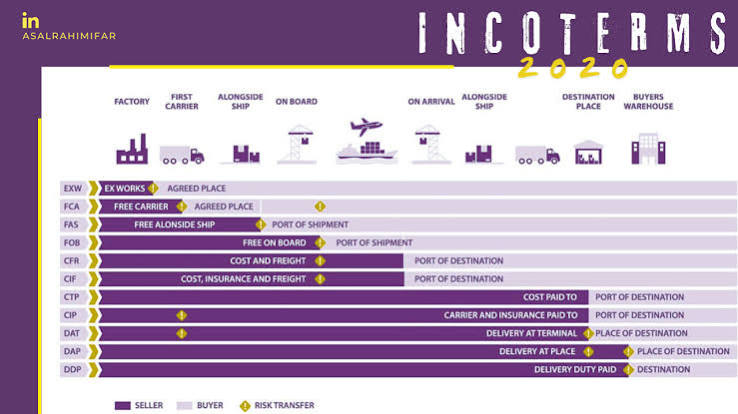
- FOB (Free on Board) – Buyer assumes freight and insurance from the origin port.
- CFR (Cost & Freight) – Seller pays freight to the destination port; buyer assumes risk thereafter.
- CIF (Cost, Insurance & Freight) – Seller covers freight and insurance to the destination.
- DDP (Delivered Duty Paid) – Seller bears all costs, including duties and final delivery.
2026 Freight Reality
Freight rates have jumped 93% from 2024 levels. War‑risk surcharges, especially in the Black Sea and South China Sea, can add 20–30% on top of base rates. Insurance premiums have also climbed due to increased piracy and political instability.
Impact on Incoterm Costs
• FOB allows buyers to lock in spot rates and negotiate directly with freight forwarders, often yielding lower costs.
• CFR and CIF lock buyers into the seller’s freight quotes, which tend to include higher margins during crises.
• DDP exposes sellers to unpredictable surcharge stacks and duty fluctuations, potentially eroding profit margins.
Choosing the Right Term: A Decision Matrix
Below is a quick reference to help traders align Incoterm choice with business objectives.
- Buyer has strong freight relationships and wants to control shipping costs: FOB
- Buyer wants minimal logistics involvement but accepts higher freight risk: CFR
- Buyer seeks full insurance coverage with minimal risk management: CIF
- Seller wants to offer a turnkey solution and absorb all costs: DDP
Practical Tips for Chemical Traders
- Negotiate spot freight rates during periods of market calm to lock in lower prices for FOB contracts.
- Use rate‑bump clauses in CFR/CIF agreements to cap freight cost increases above a threshold.
- Incorporate force‑majeure insurance into CIF terms to cover unexpected war‑risk surcharges.
- For DDP, demand a clear surcharge schedule and limit exposure to sudden duty changes.
Compliance and Documentation
Accurate Incoterm selection also ensures compliance with export–import regulations. Misclassifying the term can lead to:
- Incorrect duty calculation.
- Failure to obtain necessary chemical permits.
- Potential customs penalties.
Maintain a centralized Incoterm policy that aligns with your global chemical trade rules and trade compliance chemicals standards.
Case Study: 8–15% Cost Savings
One supplier shifted from CIF to FOB for a 10,000‑tonne batch of ethylene oxide. By negotiating a spot rate and handling its own insurance, the buyer saved 12% on landed costs during a period of 20% freight surcharges.
Conclusion
In 2026, the choice of Incoterm can be the difference between a profitable trade and a costly mistake. By understanding the economics of FOB, CFR, CIF, and DDP—especially in the context of chemical shipping—traders can navigate the volatile market, reduce risk, and improve margins.