

Article
Jun 18, 2026schedule5 Min Read
Vietnam's Growing Role in Chemical Manufacturing Supply Chains
Full Reportarrow_forward

prodchem
Jun 18, 2026
US–China Chemical Trade: Where Things Stand and What’s Next
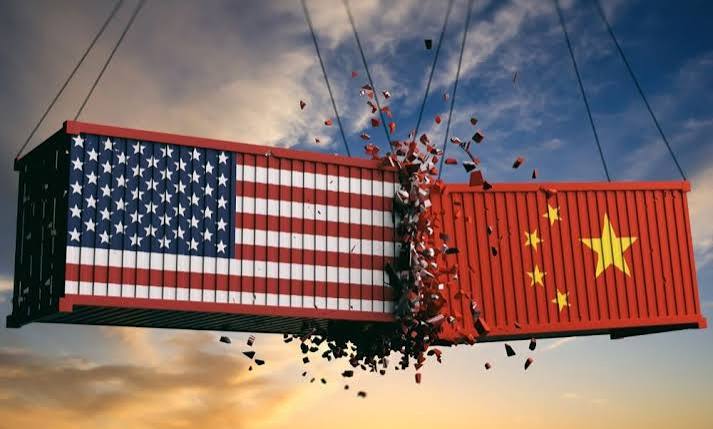
The trade relationship between the United States and China has long been one of the most influential forces shaping the global chemical industry. In recent years, however, tariff tensions and shifting trade policies have significantly reshaped chemical supply chains. From commodity polymers to high-value specialty chemicals, pricing, sourcing decisions, and investment strategies are increasingly being influenced by geopolitical dynamics rather than purely market-driven factors.
Today, US–China chemical trade is not frozen—but it is more cautious, more diversified, and more strategically managed than before.
Despite ongoing trade frictions, chemical trade between the US and China continues, but with important changes in structure and flow.
The United States still exports large volumes of petrochemical feedstocks such as ethane, propane, and other basic chemical inputs, while importing a wide range of finished and intermediate chemical products from China, including plastics, industrial chemicals, and specialty formulations.
However, tariffs and regulatory restrictions have increased the overall cost and complexity of this exchange. Many companies now face:
Higher landed costs due to tariffs
Greater documentation and compliance requirements
Increased uncertainty in long-term pricing contracts
Longer lead times due to customs and rerouting decisions
As a result, firms are becoming more cautious and flexible in their sourcing strategies.
Not all chemical segments are equally impacted. Some categories are more exposed due to their trade volume, strategic importance, or pricing sensitivity.
Products like polyethylene (PE), polypropylene (PP), and PVC are highly sensitive to tariff changes because they are traded in large volumes and operate on thin margins. Even small tariff increases can significantly affect profitability and global pricing benchmarks.
Basic feedstocks such as ethylene derivatives and aromatics are also affected, as they are essential inputs for downstream manufacturing. Disruptions here can ripple through entire value chains.
Although traded in smaller volumes, specialty chemicals are highly value-added and often tied to specific formulations. Tariffs in this category affect industries such as electronics, automotive coatings, pharmaceuticals, and advanced materials.
Chemicals used in construction materials, agriculture, and consumer goods production are also impacted, especially when alternative suppliers are limited or more expensive.
One of the most visible effects of US–China trade tensions is volatility in chemical pricing.
Manufacturers now face fluctuating input costs, which makes long-term planning more difficult. Commodity chemical prices are increasingly influenced not just by supply and demand, but also by:
Trade policy announcements
Tariff revisions or exemptions
Currency fluctuations
Freight and logistics disruptions
To manage this uncertainty, companies are shifting away from single-source dependency and adopting more flexible procurement strategies.
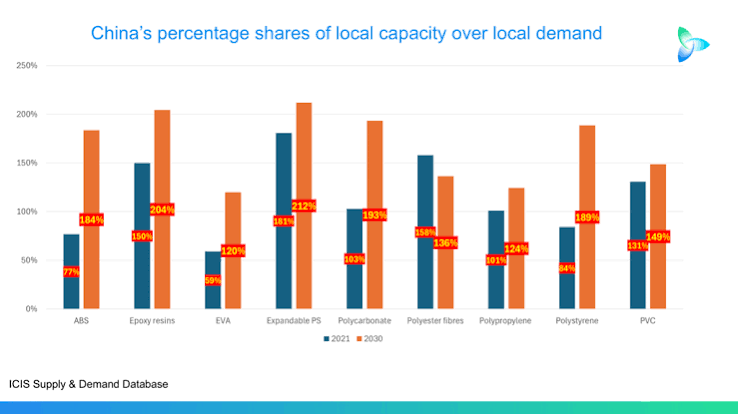
Global buyers—especially in manufacturing-heavy industries—are actively redesigning their supply chains in response to US–China trade dynamics.
Many companies are reducing reliance on either US or Chinese suppliers alone. Instead, they are sourcing from multiple regions such as Southeast Asia, India, and the Middle East to spread risk.
Rather than globalized “just-in-time” sourcing, firms are increasingly building regional supply networks. For example, US manufacturers may prioritize North American or Latin American suppliers to reduce tariff exposure.
To reduce uncertainty, some buyers are securing longer-term contracts or maintaining higher inventory levels, especially for critical raw materials.
In some industries, companies are substituting materials or reformulating products to avoid tariff-impacted inputs altogether.
The US–China chemical trade relationship has broader implications beyond bilateral trade.
Global pricing benchmarks for polymers are becoming more fragmented
Trade flows are increasingly rerouted through intermediary hubs such as Singapore, South Korea, and Vietnam
Investment in chemical production is shifting toward politically neutral or diversified regions
Companies are prioritizing supply chain resilience over pure cost optimization
This marks a structural shift from a highly globalized chemical market to a more regionalized and risk-managed system.
Looking ahead, several trends are likely to shape the next phase of US–China chemical trade:
Full separation is unlikely, but sensitive chemical segments will continue to diversify away from direct dependency.
Southeast Asia, the Middle East, and India will continue to attract chemical manufacturing investment as companies hedge against geopolitical risk.
Regulatory transparency, environmental standards, and traceability requirements will play a larger role in determining sourcing decisions.
AI-driven B2B marketplaces and digital procurement systems will help buyers navigate complexity, compare suppliers, and manage risk more effectively.
The US–China chemical trade relationship remains a cornerstone of global industrial supply chains, but it is undergoing a fundamental transformation. Tariffs and geopolitical tensions have not stopped trade—they have reshaped it.
Today’s chemical buyers are more strategic, more diversified, and more focused on resilience than ever before. While uncertainty remains, it is also driving innovation in sourcing, pricing models, and supply chain design.
In this evolving landscape, the winners will be those who can adapt quickly, balance risk across regions, and embrace more flexible, data-driven procurement strategies.
Found this useful?
Continue Reading
India’s polypropylene market is facing supply pressure as feedstock restrictions affect around 80% of domestic PP capacity. Buyers are evaluating imports, alternative suppliers and pricing strategies before further market changes.