Alfen and CATL's Sodium-Ion Battery Deal Signals Europe's Energy Storage Shift | ChemicalsBlog.com
Country Watch
schedule3 Min Read
The Netherlands' Alfen Lands a Landmark Sodium-Ion Deal With China's CATL
terminal
prodchem
Jul 23, 2026
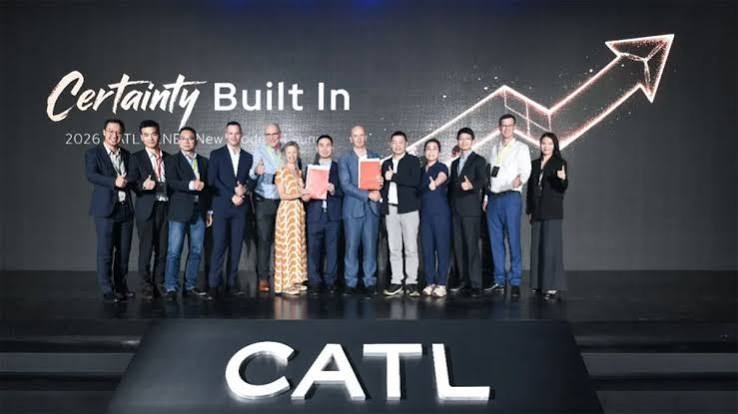
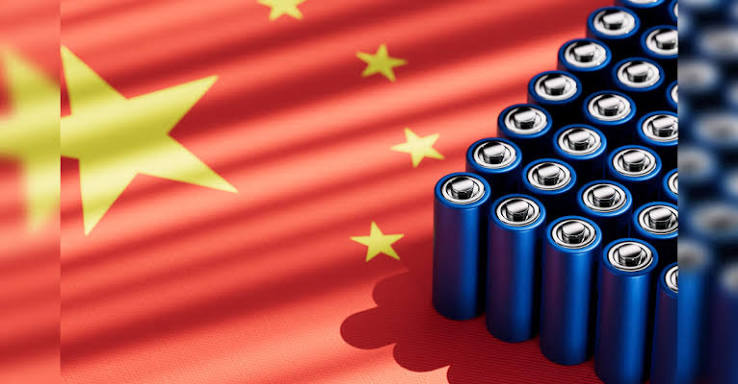
Dutch energy solutions company Alfen has signed a strategic cooperation agreement with China's CATL to deploy 5 GWh of sodium-ion energy storage systems across Western Europe beginning in 2027. The partnership marks one of the largest commercial commitments to sodium-ion battery technology in Europe and signals growing interest in diversifying energy storage beyond conventional lithium-ion batteries.
For chemical manufacturers, battery material suppliers, and procurement professionals, the agreement highlights the accelerating commercialization of sodium-ion technology. As governments and industries expand renewable energy capacity, alternative battery chemistries are expected to play an increasingly important role in improving energy security, reducing raw material dependency, and supporting grid-scale storage.
Why the Alfen–CATL Partnership Matters
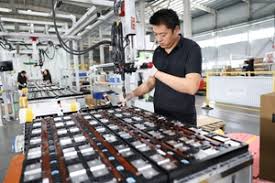
Sodium-ion batteries are emerging as a promising alternative for stationary energy storage, offering advantages such as abundant raw materials, improved supply chain diversity, and lower dependence on critical minerals like lithium.
Key materials supporting sodium-ion battery production include:
The deployment of 5 GWh of storage capacity demonstrates increasing confidence in sodium-ion technology for large-scale commercial applications.
Market Implications
The partnership could contribute to:
Faster commercialization of sodium-ion batteries
Reduced dependence on lithium-based storage systems
Increased demand for sodium-based chemical feedstocks
Expansion of Europe's energy storage infrastructure
Greater investment in battery manufacturing technologies
Enhanced supply chain diversification for energy storage materials
The project also reinforces Europe's strategy of expanding renewable energy infrastructure while diversifying battery technologies.
Procurement Considerations
Procurement teams supporting the battery and chemical sectors should focus on:
Monitoring demand for sodium-based raw materials
Diversifying suppliers of battery chemicals
Evaluating long-term sourcing agreements
Tracking developments in battery technology
Assessing regional manufacturing capacity
Strengthening supply chain resilience for specialty materials
As battery technologies evolve, procurement strategies should remain flexible to accommodate changing material requirements.
Looking Ahead
The Alfen–CATL agreement reflects the growing commercial momentum behind sodium-ion batteries in Europe. While lithium-ion technology is expected to remain dominant in electric vehicles, sodium-ion batteries are increasingly viewed as a viable solution for stationary energy storage due to their cost advantages and abundant raw materials.
For procurement professionals, monitoring investments in alternative battery chemistries and securing reliable sources of battery-grade chemicals will be essential as Europe's energy transition accelerates.
Key Takeaways
Alfen and CATL will deploy 5 GWh of sodium-ion energy storage in Western Europe starting in 2027.
The partnership supports commercialization of sodium-ion battery technology.
Demand for sodium-based battery materials is expected to increase.
Europe continues to diversify its energy storage technologies.
Procurement teams should monitor emerging battery supply chains and material demand.