The death of a third US service member adds another indication that Gulf related tensions may remain unresolved for longer than many commodity markets initially expected. For food ingredient procurement teams, this is less about the immediate military event and more about what prolonged geopolitical uncertainty means for energy prices, shipping costs and chemical supply chains.
Food manufacturers rarely experience geopolitical events directly. Instead, the impact usually arrives through higher logistics costs, volatile feedstock prices and longer planning cycles. Procurement professionals should therefore prepare for sustained market uncertainty rather than expecting a rapid return to stable pricing.
Why Geopolitical Tensions Matter to Food Ingredient Buyers
The Gulf region plays a central role in global energy production and international shipping. Any prolonged instability can influence commodity markets well beyond the region itself.
Food ingredient supply chains are exposed because they depend on:
Stable energy markets for chemical manufacturing.
Reliable international shipping routes.
Predictable freight pricing.
Consistent production schedules across global suppliers.
Even when ingredient production remains unaffected, rising logistics and manufacturing costs can increase landed prices.
Energy Prices Influence the Entire Ingredient Supply Chain
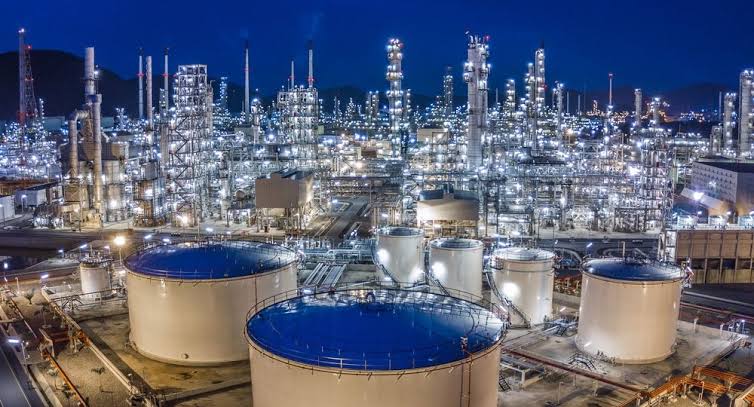
Many food additives and processing ingredients rely on energy intensive manufacturing. Higher oil and natural gas prices can gradually affect production economics across numerous categories.
Products that may experience indirect cost pressure include:
Citric acid produced through industrial fermentation.
Maltodextrin and corn starch processed using energy intensive drying operations.
Sweeteners and preservatives used in packaged food manufacturing.
Plastic packaging materials derived from petrochemical feedstocks.
The relationship is rarely immediate, but sustained energy price increases often work their way through supplier pricing over time.
Freight Markets Remain Highly Sensitive
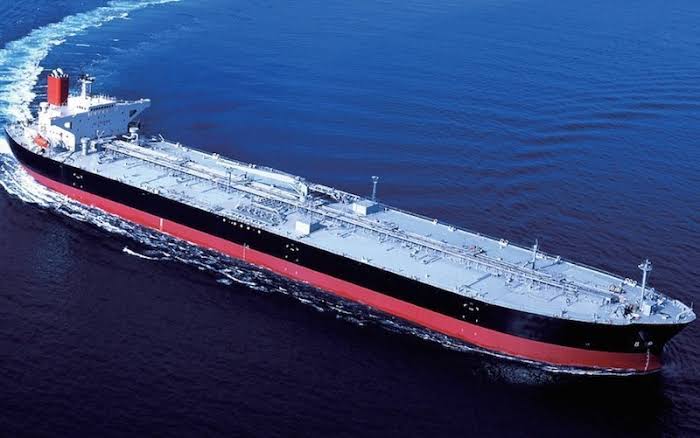
Shipping companies respond quickly to geopolitical developments that affect operational risk.
Potential impacts include:
Higher marine insurance premiums.
Longer shipping routes to reduce operational exposure.
Increased freight quotations.
Changes in vessel scheduling.
For importers, these adjustments can raise total landed costs even if product prices remain unchanged.
Procurement Planning Should Focus on Resilience
Periods of prolonged uncertainty require procurement teams to balance cost control with supply security.
Key priorities include:
Strengthen communication with strategic suppliers regarding production and logistics.
Review inventory levels for high volume ingredients.
Monitor freight markets alongside raw material prices.
Diversify sourcing where practical to reduce dependence on one shipping corridor.
Evaluate contract structures for flexibility during volatile market conditions.
These actions can reduce operational disruption while improving purchasing confidence.
Chemical Feedstocks Could Experience Secondary Effects
Many food ingredients depend on upstream chemical intermediates manufactured using hydrocarbons or energy intensive industrial processes.
Procurement managers should monitor developments affecting:
Petrochemical feedstocks used in packaging production.
Industrial solvents supporting food processing.
Fertiliser markets that influence agricultural raw materials.
Utility costs affecting manufacturing facilities.
Understanding these interconnected markets provides better visibility into future procurement risks.
Market Volatility Demands Better Forecasting
Short term geopolitical events often produce immediate commodity market reactions. Longer periods of uncertainty, however, tend to reshape purchasing behaviour throughout the supply chain.
Businesses that regularly review energy markets, freight trends and supplier updates can make more informed sourcing decisions. Forecasting should include multiple scenarios rather than assuming that current market conditions will quickly return to normal.
What Buyers Should Do Now
The latest development reinforces the possibility that Gulf related uncertainty may continue to influence global commodity markets for an extended period. Food ingredient buyers should therefore expect ongoing fluctuations in energy costs, freight rates and selected chemical inputs rather than planning around a rapid stabilisation.
Successful procurement during periods of geopolitical uncertainty depends on diversification, market monitoring and proactive supplier engagement. Companies that adapt their sourcing strategies early will be better positioned to manage cost volatility while maintaining supply continuity.
Ready to source citric acid from verified global suppliers? Explore competitive offers on our platform today.