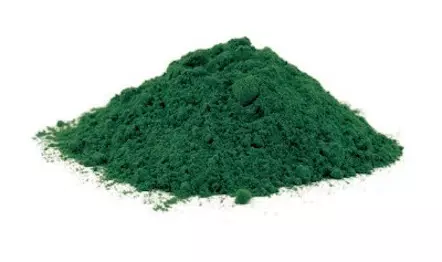
Vishnu Chemicals' chromium and barium chemistries demonstrate how specialty chemical products can support industrial processes that sit close to food-related manufacturing without becoming food ingredients themselves. This distinction matters for procurement teams evaluating chemical supply chains, specifications and end-use requirements.
For chemical traders and industrial buyers, the significance lies in understanding where these materials fit within broader processing environments. Chromium and barium products can serve specialized industrial functions across processing systems, materials handling and manufacturing operations, creating opportunities for suppliers that can meet technical and commercial requirements consistently.
The connection with food-adjacent industry also highlights an important procurement principle: chemicals used around food-related operations require careful attention to application, handling and specification rather than assumptions based solely on the end-use sector.
Why Chromium and Barium Chemistry Matters to Industrial Buyers
Chromium and barium represent two distinct chemical families with different properties and industrial roles. Their relevance to specialty manufacturing comes from the ability of their compounds to support targeted technical requirements within specific production processes.
For buyers, the value does not come simply from the chemical name. Procurement teams need to consider the precise product grade, concentration, physical form, purity requirements and intended application before comparing offers from suppliers.
This becomes especially important when the chemical enters a production environment connected to food processing or food-related manufacturing. A material may serve an industrial function in equipment, processing systems or manufacturing inputs without being intended for direct incorporation into food.
Several procurement factors therefore deserve attention:
Technical specification: Buyers should match the offered material against the exact specification required by their process rather than relying on a broad chemical category.
Application suitability: The intended industrial use should guide grade selection, handling requirements and supplier evaluation.
Supply consistency: Repeated industrial production depends on predictable quality and reliable availability.
Commercial terms: Price, minimum order quantity, packaging and delivery conditions can significantly influence the total procurement cost.
Food-Adjacent Processing Creates a Distinct Chemical Demand
Food-adjacent manufacturing covers a wide range of industrial environments that interact with food production without necessarily involving food ingredients. Chemical requirements in these settings can therefore differ substantially from those of food additives or processing aids.
This distinction creates an interesting market position for chromium and barium chemistries. Their industrial applications can support processes surrounding food-related production while remaining firmly within the specialty chemical supply chain.
For procurement managers, this means the purchasing decision should begin with the process requirement rather than the industry label. A company operating in a food-related manufacturing environment may need industrial chemicals for supporting operations, materials or specialized processing functions.
Chemical traders can also benefit from understanding this distinction. Buyers may search for products based on their technical role, chemical composition or required grade rather than simply identifying themselves as part of the food industry.
Vishnu Chemicals and the Broader Specialty Chemical Market
Vishnu Chemicals' chromium and barium chemistries illustrate the breadth of specialty chemical applications. Products originally associated with established specialty markets can find relevance in adjacent industrial environments when their technical characteristics match a particular process requirement.
This creates a broader commercial opportunity for distributors, importers and exporters. Instead of viewing chemical demand through narrow industry categories, traders can evaluate where a chemistry provides a useful function across connected manufacturing ecosystems.
The food-adjacent segment is particularly interesting because it demonstrates how chemical demand can develop around an industry without necessarily becoming part of the final consumer product.
For international buyers, this wider perspective can improve sourcing strategies. It encourages procurement teams to examine:
Where the chemical performs a technical function.
Which industries operate similar processes.
What specifications each application requires.
Which suppliers can consistently meet those specifications.
Procurement Considerations for Chromium-Based Products
Chromium-based chemicals can carry highly specific technical requirements depending on their application. Buyers should therefore avoid treating every chromium product as interchangeable, even when products appear similar at a broad chemical-category level.
A procurement team should first define the intended use and then establish the technical parameters that determine suitability. This approach reduces the risk of selecting a lower-cost material that does not perform adequately within the target process.
Specification alignment should come before price comparison. Once the required grade and quality parameters are clear, buyers can evaluate supplier offers on a more meaningful basis.
Documentation also plays an important role. Depending on the transaction and application, procurement teams may need product specifications, safety documentation, certificates of analysis and other technical information to support internal approval procedures.
Barium Chemistry Requires Application-Specific Sourcing
Barium chemistry presents a similar procurement challenge. The commercial value of a barium-based product depends on the exact chemistry and the technical role it performs within the industrial process.
For buyers operating in food-adjacent environments, the distinction between industrial use and direct food application becomes particularly important. Procurement teams should establish exactly where the material enters the process and what requirements apply to that specific point of use.
Importers and distributors can improve their sourcing processes by collecting detailed information before requesting quotations. A clear product inquiry should communicate the required specification, application, quantity, packaging expectations and destination market.
This gives suppliers a stronger basis for responding with an appropriate offer and reduces unnecessary back-and-forth during purchasing.
How Food-Adjacent Applications Affect Chemical Trading
Food-adjacent demand can create a different purchasing dynamic from conventional industrial chemical markets. Buyers may place greater emphasis on documentation, consistency and traceability because their operations connect to sensitive manufacturing environments.
That does not mean every chemical used in such a facility requires food-grade status. Instead, procurement teams need to understand the distinction between where a chemical is used and whether it becomes part of a food product.
For chemical traders, this distinction can improve market positioning. A supplier that clearly communicates technical specifications and intended applications can help buyers determine whether a product fits their operational requirements.
It also allows traders to segment customers more effectively. The same underlying chemical family may attract interest from different industries for entirely different reasons, with each segment requiring its own technical and commercial approach.
Supply Chain Priorities for International Buyers
Global chemical procurement involves more than identifying a technically suitable product. Buyers also need to assess whether suppliers can support their required volumes, delivery schedules and documentation standards over time.
For chromium and barium products, procurement teams should build sourcing decisions around several practical considerations:
Product consistency: Repeated orders should meet the same agreed specifications to prevent disruptions in production.
Supplier communication: Clear technical communication helps resolve questions about grade, application and documentation before shipment.
Order planning: Buyers should consider lead times and inventory requirements rather than waiting until stocks approach critical levels.
Packaging requirements: The selected packaging format should suit transportation, storage and the buyer's handling environment.
Market diversification: Maintaining access to multiple qualified suppliers can reduce exposure to unexpected supply interruptions.
These factors become more important when chemicals support continuous industrial processes. A supply interruption can affect production schedules well beyond the chemical itself.
What This Means for Chemical Traders and Distributors
The food-adjacent application of Vishnu Chemicals' chromium and barium chemistries highlights a wider opportunity within specialty chemical trading. Industrial buyers do not always purchase chemicals according to simple industry categories, and suppliers can find demand in connected sectors where a product solves a specific technical requirement.
Traders should therefore look beyond headline market classifications when evaluating demand. A chemical associated with one specialty segment may also have commercial relevance in neighboring processing industries.
For distributors, strong product information can become a competitive advantage. Buyers need to know not only what a chemical is but also which specifications are available, how the product fits their process and what documentation can accompany the transaction.
A more application-oriented sales approach can make sourcing conversations more productive. It also helps buyers compare offers based on suitability rather than relying exclusively on quoted price.
Building a More Precise Sourcing Strategy
For procurement managers exploring chromium and barium products, the most effective approach starts with a clearly defined technical requirement. The sourcing process should then move from application to specification, supplier qualification and commercial evaluation.
A practical workflow can include:
Define the industrial application. Establish exactly where the chemical will be used within the production environment.
Confirm the required specification. Identify the grade, purity, concentration, physical characteristics and other relevant technical requirements.
Request supporting documentation. Obtain the information required for technical evaluation and internal purchasing approval.
Compare qualified suppliers. Evaluate availability, consistency, pricing, minimum quantities and delivery terms together.
Plan recurring procurement. Where demand is continuous, establish a supply arrangement that supports predictable replenishment.
This method gives buyers a clearer view of the total sourcing proposition. It also helps traders understand exactly what the customer needs before recommending a product.
The Bottom Line for Procurement Teams
Vishnu Chemicals' chromium and barium chemistries show how specialty chemicals can extend into food-adjacent industrial processing beyond their core specialty markets. For buyers, the key consideration is not simply the sector in which a chemical is used but the precise technical function it performs.
Chromium and barium products can therefore represent a relevant sourcing category for industrial companies operating around food-related manufacturing environments. Procurement teams should focus on application suitability, specifications, documentation, supply reliability and commercial terms when evaluating potential suppliers.
For chemical traders, the opportunity lies in connecting specialized products with adjacent industrial demand. A strong understanding of applications can help suppliers identify new customers, communicate product value more clearly and build more effective international sourcing relationships.
Ready to source Chromium and Barium products from verified global suppliers? Explore competitive offers on our platform today.