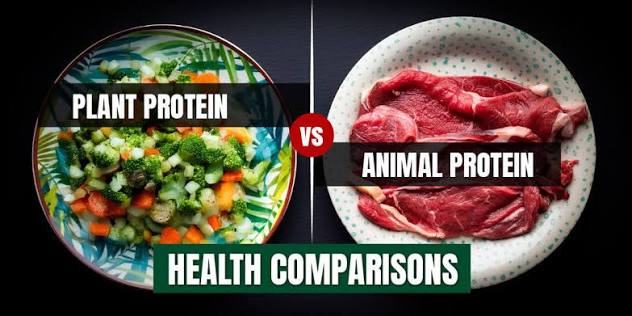
Whey protein is gaining momentum again as consumers increasingly prioritize convenient, high-protein foods and supplements. SPINS data shows that whey protein dollar sales increased 17.4% year over year, while unit sales rose 27.4%, with household penetration also increasing by 1.8 percentage points. Whey powder holds about 43.3% of the protein-supplement powder market, making it the leading protein source in the category.
Plant Protein's Earlier Momentum Has Levelled Off
Plant-based protein is not disappearing, but its rapid growth has clearly slowed. SPINS data indicates that plant protein sales declined while pricing remained comparatively stable, and the Good Food Institute describes growth in plant-based protein liquids and powders as having levelled off after strong gains in 2024. This suggests that the protein market is moving beyond the earlier plant-based growth surge and becoming more selective about which protein formats consumers choose.
Why Consumers Are Returning to Whey
Whey's advantage comes partly from its established position in sports nutrition and its functional characteristics, including easy mixing and a familiar taste. More importantly, protein consumption has expanded beyond traditional gym users into mainstream food and beverage categories. Whey is increasingly appearing in drinks, snacks, cereals, bakery products and other everyday foods as manufacturers respond to the broader high-protein trend.
GLP-1s Are Adding Another Demand Driver
The growing use of weight-loss medications is also supporting demand for whey protein. Consumers using GLP-1 drugs may eat less overall while focusing more heavily on maintaining protein intake and muscle mass. Recent market reporting indicates that this trend is contributing to strong whey demand in the US and UK, while protein consumption more broadly is expected to continue growing over the coming years.
Whey's Growth Is Creating a Supply Challenge
The comeback comes with a major complication: supply is struggling to keep pace with demand. US whey inventories were reported at roughly half their level of three years earlier, while European whey protein concentrate prices more than doubled during the first half of 2026. Higher prices could eventually encourage additional production and give plant proteins an opportunity to compete on cost, but for now the market momentum remains firmly in whey protein's favor.
The Protein Market Is Becoming More Competitive
The latest data suggests that the protein market is not simply choosing between animal and plant protein. Instead, consumers are becoming more selective based on taste, functionality, price and convenience. Whey's current growth advantage gives dairy-based protein a stronger position, while plant proteins may need improvements in formulation, flavor and value to regain momentum. For ingredient suppliers and food manufacturers, the opportunity lies in developing products that combine strong protein content with affordability and consumer-friendly functionality.