$10 Million War‑Risk Premiums: A $100 Million Tanker Now Costs a Tenth of Its Value to Insure
Surging War‑Risk Premiums: A $10 Million Cost for a $100 Million Tanker
What’s Happening?
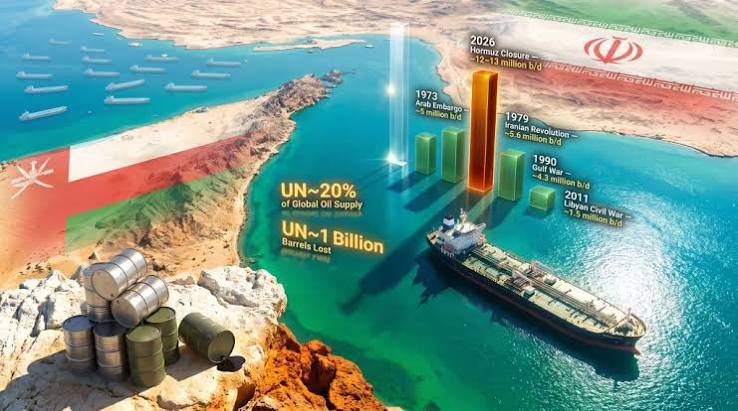
In the past year, marine insurers have raised war‑risk premiums to record highs. A single transit through the Strait of Hormuz can now cost a chemical tanker up to one‑tenth of its value in insurance alone.
Why the Surge?
Recent geopolitical tensions, increased piracy incidents, and the complex risk profile of the Gulf have amplified insurers’ exposure. The Strait of Hormuz, a chokepoint for 20% of world oil trade, is now perceived as a high‑volatility corridor. Reinsurance markets have tightened, pushing primary insurers to price risk more conservatively.
Impact on Chemical Tankers
Chemical tankers, typically valued between $50 million and $120 million, face a new cost structure:
Insurance for one transit: $5–$10 million
Annual operating cost increase: 3–5% of cargo value
Optional re‑route expenses: $200,000–$400,000 per voyage
These figures translate into a direct 10–15% hike in freight rates, assuming operators pass on costs to shippers. Many shipping lines are now evaluating fleet diversification, including high‑speed, low‑volume vessels that can mitigate exposure.
Freight Economics in the Gulf
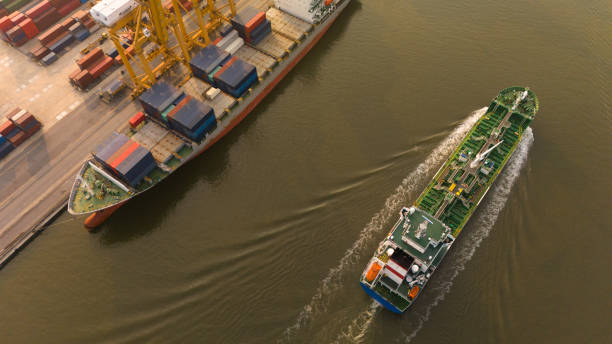
The Gulf logistics chain is highly integrated. A 10% rise in tanker insurance propagates through:
Higher charter rates for chemical carriers.
Increased port fees due to longer berth times.
Elevated cargo handling costs as terminals implement risk‑mitigation protocols.
Consequently, downstream industries—petrochemicals, refineries, and pharmaceuticals—may see raw material prices rise. Companies are already revising procurement strategies, shifting to regional suppliers to reduce transit risk.
Future Outlook
While some analysts predict a temporary spike, long‑term trends suggest a re‑balancing of risk pricing:
Emerging insurers may offer specialized products for high‑risk zones.
Technological advancements in ship tracking and automated defense systems could lower perceived risk.
GeopoliticalIDD efforts to stabilize the region may gradually reduce premiums.
Nonetheless, until a durable solution materializes, shippers must navigate a landscape where a single marine insurance policy can dwarf the value of the cargo itself. Vigilant risk assessment and flexible logistics planning will remain essential for maintaining profitability in this volatile sector.

Calcium Propionate (E282)
Found this useful?