48 Force Majeures Remain: The Real Chemical Supply Recovery Signal
Why Force Majeures Matter More Than Shipping Volumes
Industry analysts often look to headline shipping figures to gauge how quickly the chemical sector is bouncing back from last year’s shock waves. Those numbers can be misleading because they average out regional differences and do not capture the nuances of supply chain hiccups. Force majeure declarations—formal notices that production has been halted due to unforeseen events—offer a more granular view of where bottlenecks still exist.
48 Active Declares: A Closer Look
In the current reporting period, the ICIS database lists 48 active force majeure cases across the globe. This figure is a marked decrease from the 75 cases recorded a month ago, indicating a tangible easing of supply constraints. Yet the fact that any such declarations remain highlights that the industry is not yet fully recovered.
What Types of Disruptions Are Still Impacting the Market?
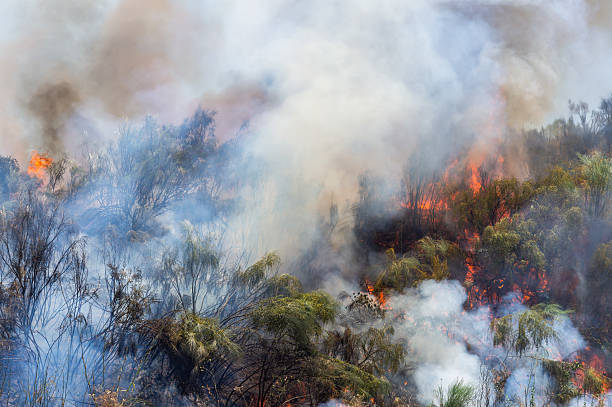
Natural disasters: Hurricanes, floods, and earthquakes continue to disrupt production in key regions.
Logistical blockages: Port congestion and rail strikes in North America and Europe slow down the movement of bulk chemicals.
Regulatory changes: Sudden shifts in environmental compliance standards force plants to halt output until adjustments are made.
Supply chain shortages: Scarcity of critical raw materials, such as ethylene, keeps some facilities on hold.
Implications for the Supply Chain
Each force majeure notice translates into a measurable loss of throughput. For buyers and sellers, this means higher lead times, elevated freight costs, and a need for inventory buffers. The ICIS chemical market has responded by tightening its data collection, providing real‑time updates on active disruptions.
How Companies Are Responding
Diversifying suppliers: Firms are sourcing from multiple regions to reduce dependence on any single facility.

Investing in digital tracking: Advanced analytics help predict where force majeure risks may surface.
Building safety stock: Companies are holding larger inventories of critical intermediates.
Engaging in forward contracts: Locking in prices mitigates the impact of potential supply gaps.
The Role of ICIS in Monitoring Recovery
ICIS has positioned itself as the definitive source for chemical market intelligence. By consolidating force majeure data from dozens of suppliers, the platform offers a real‑time pulse of the industry’s health. Traders can now compare the number of active notices against historical baselines to assess whether supply disruptions are trending upwards or downwards.
Key Takeaway for Market Participants
The persistence of 48 force majeure cases signals that the chemical supply chain is still experiencing friction. However, the downward trend from previous months is a positive sign that the sector is moving toward full recovery. Stakeholders who monitor these figures closely will be better positioned to anticipate disruptions and adjust their strategies accordingly.
While headline shipping volumes provide a broad overview, the real indicator of chemical supply health lies in the number of force majeure declarations. The current count of 48 active cases is a clear, quantitative marker of ongoing recovery—and a reminder that supply chain vigilance remains essential. As the ICIS chemical market continues to evolve, staying attuned to force majeure trends will help industry players navigate the remaining uncertainties with confidence.
2-Ethylhexyl Acrylate
Found this useful?