
Carlisle’s Pursuit of Owens Corning Could Reshape Building Products M&A
Carlisle Companies has built its growth strategy through acquisitions, but its pursuit of Owens Corning would represent a fundamentally different scale of expansion. With Owens Corning generating roughly twice Carlisle’s own revenue, the potential transaction would stand far above the smaller rival acquisitions that have shaped Carlisle’s history.
For chemical traders, procurement managers, importers and exporters serving building products and specialty materials markets, the significance extends beyond corporate dealmaking. A transaction of this size could influence purchasing structures, supplier relationships, manufacturing priorities and demand across a broad industrial ecosystem.
The key question is not simply whether Carlisle can pursue a company of Owens Corning’s size. It is how such a move could change the strategic direction of a business that has historically expanded by acquiring smaller companies.
Carlisle’s Acquisition Strategy Sets the Starting Point
Carlisle has an established record of using acquisitions to expand its presence in building products and specialty materials. The company’s previous approach has focused on smaller rivals, making incremental additions to its portfolio rather than attempting a transaction on the scale represented by Owens Corning.
That history makes the potential Owens Corning pursuit particularly significant. The proposed target is roughly twice Carlisle’s revenue, meaning the transaction would not simply add another business to the portfolio. It would potentially alter the relative scale and structure of Carlisle itself.
For suppliers, this distinction matters. Large acquisitions can change how companies organize procurement, negotiate contracts and evaluate strategic suppliers across business units.
Why Owens Corning Represents a Different Scale
Owens Corning would dwarf Carlisle’s previous acquisition history because of the relative size of the two companies. Carlisle would be pursuing a target with revenue approximately double its own, creating a transaction that would sit in a completely different category from its earlier deals.
The scale could introduce several strategic considerations:
Portfolio expansion: Owens Corning would add substantial operations and market presence to Carlisle’s existing building products and specialty materials activities.
Procurement leverage: A larger combined organization could have greater purchasing scale across raw materials, packaging, energy and industrial inputs.
Supplier consolidation: The combined business could reassess overlapping supplier relationships and purchasing agreements.
Operational integration: Managing a target larger than the acquirer would create a significantly different integration challenge from absorbing smaller rivals.
For chemical and material suppliers, procurement changes could become one of the most important areas to watch if the transaction advances.
What the Deal Could Mean for Building Materials Markets
The potential Carlisle Owens Corning acquisition comes at the intersection of building products and specialty materials. Both areas depend on complex industrial supply chains that connect manufacturers with chemical producers, material processors, logistics companies and distributors.
A larger combined company could potentially gain greater influence over purchasing decisions. That influence may matter for suppliers of polymers, mineral-based materials, additives, coatings inputs and other commodities used across building product manufacturing.
The impact would not necessarily appear immediately in commodity markets. Integration typically creates a period in which companies assess existing contracts, manufacturing footprints and supplier networks before making broader purchasing decisions.
For buyers and sellers, this makes the transaction a potential medium-term supply chain signal rather than simply an M&A headline.
Procurement Could Become a Major Strategic Lever
Procurement teams would likely have an important role in determining whether the benefits of a transaction can translate into operational gains. Combining businesses at this scale can create opportunities to standardize specifications, consolidate purchasing volumes and coordinate sourcing across facilities.
However, larger purchasing power does not automatically mean that every supplier relationship will change. Building products manufacturers often require materials that meet specific performance, quality and production requirements, which can limit how quickly procurement teams switch sources.
Suppliers should therefore watch for changes in:
Raw material purchasing volumes and contract structures
Supplier qualification requirements
Regional sourcing preferences
Delivery and inventory expectations
Material specifications across overlapping product categories
These factors can determine whether an acquisition creates new opportunities for chemical suppliers or increases competitive pressure among existing vendors.

Scale Could Change Carlisle’s Growth Profile
An acquisition of Owens Corning would potentially move Carlisle beyond its established pattern of acquiring smaller competitors. Instead of adding another incremental business, Carlisle would be taking a major step toward a substantially larger operating footprint.
That could affect how investors, suppliers and customers view the company’s future growth strategy. A transaction of this magnitude could signal that Carlisle sees larger-scale consolidation as an important route to expanding its position in the building products and specialty materials sector.
For industrial markets, a change in corporate scale can have practical consequences. A larger company may have more resources to invest in production capacity, technology, distribution infrastructure and long-term sourcing programs.
The Integration Challenge Would Be Unlike Earlier Deals
The size relationship between Carlisle and Owens Corning creates a distinctive integration issue. Carlisle’s established acquisition experience provides a foundation, but integrating a company roughly twice its revenue would introduce a different level of organizational and operational complexity.
The challenge would extend across multiple functions. Procurement teams would need to assess overlapping contracts, while operations leaders would need to evaluate manufacturing networks and supply requirements.
Commercial integration could also take time. Customers may have established relationships with individual businesses and product lines, while suppliers may operate under long-term agreements that cannot change immediately.
For chemical traders, this suggests that continuity could remain important during the early stages of any integration. Existing demand patterns may continue even while the parent company evaluates opportunities for greater purchasing efficiency.
Supplier Relationships Could Become More Strategic
A larger Carlisle organization could have greater purchasing requirements across a wider collection of building products and specialty materials. That may increase the value of suppliers capable of supporting multiple facilities, regions or product categories.
The opportunity could favor suppliers that can demonstrate:
Consistent product quality across large-volume orders
Reliable international and regional logistics
Flexible supply arrangements
Strong technical documentation
Competitive pricing at scale
For exporters, scale can create both opportunity and pressure. Larger procurement organizations may offer access to bigger volumes, but they can also demand stronger commercial terms and more rigorous supplier performance.
Chemical and Material Demand Could Follow Corporate Priorities
The potential transaction does not automatically indicate a specific change in chemical consumption. However, changes in manufacturing strategy, product portfolios or procurement systems could eventually influence demand for industrial materials used in building products.
Materials such as calcium carbonate, polymers, coatings inputs and specialty additives can support a range of industrial applications. Procurement changes across a larger manufacturing network could affect how these materials move between suppliers, plants and regional markets.
This is where chemical traders can add value beyond price. Buyers increasingly need dependable supply, appropriate specifications and logistics support that match industrial production schedules.
What Traders Should Watch as the Story Develops
The most useful signals for chemical and materials markets will come from the practical details surrounding the potential transaction rather than the headline alone.
Traders and procurement professionals should monitor:
The direction of Carlisle’s acquisition strategy. A move toward a target as large as Owens Corning could indicate greater willingness to pursue transformative transactions.
Procurement integration plans. Changes to sourcing structures could reveal where supplier opportunities or competitive pressure may emerge.
Manufacturing priorities. Any changes to production capacity or facility strategy could influence regional material demand.
Portfolio alignment. The way Carlisle evaluates overlapping or complementary businesses could shape future purchasing requirements.
Supplier expectations. Larger combined operations may place greater emphasis on volume capability, consistency and commercial efficiency.
These signals can help market participants distinguish between short-term M&A speculation and longer-term changes in industrial demand.
A Potential Turning Point for Carlisle’s Growth Strategy
Carlisle’s pursuit of Owens Corning represents a potential turning point because of the unusual size relationship between the companies. Carlisle has experience acquiring smaller rivals, but pursuing a business with roughly twice its revenue would place the company in a new strategic category.
For the building products and specialty materials supply chain, the significance would extend beyond corporate ownership. A larger combined organization could eventually influence procurement scale, supplier selection, production planning and the flow of industrial materials.
The most important issue for chemical buyers and sellers will be how those strategic ambitions translate into operational decisions. Companies that monitor purchasing structures, supplier requirements and manufacturing priorities will be better positioned to identify opportunities as the market evolves.
What Procurement Teams Should Do Now
Procurement teams should avoid treating a potential large acquisition as an immediate reason to change sourcing strategies. Instead, the event provides a useful reason to review supplier resilience, alternative sources and commercial flexibility.
Buyers supporting building products and specialty materials should maintain visibility across both direct chemical inputs and downstream material requirements. A larger corporate footprint could eventually create new volume opportunities, but suppliers will need to compete on reliability and overall supply value rather than price alone.
For chemical traders and exporters, the opportunity is to prepare before procurement changes become visible in purchasing data. Tracking corporate strategy alongside material demand can provide an early indication of where sourcing requirements may shift.
Ready to source Calcium Carbonate - China from verified global suppliers? Explore competitive offers on our platform today.
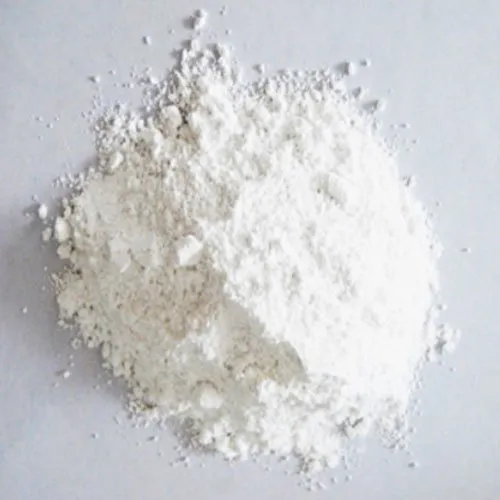
Calcium Carbonate (Feed Grade)
Found this useful?