India's ACS Fall 2026 Election Candidates Reflect Growing International Chemistry Society Engagement
The American Chemical Society's 2026 election cycle highlights the increasingly international character of the global chemistry community. While the national leadership election itself is centered on ACS members across the United States, the society's broader activities increasingly involve researchers, educators and professionals from countries including India. ACS describes itself as a global scientific organization, while its international chapters and programs provide avenues for chemists outside the United States to participate in the wider ACS network.
Indian Chemists Are Visible Across ACS Activities
India's participation is particularly visible in ACS Fall 2026 programming. Researchers from institutions including IIT Jodhpur, IIT Madras, IIT Bombay, IIT Kanpur, IISER Kolkata and TIFR Mumbai are serving as organizers or chairs of global virtual symposia covering areas such as organic chemistry, peptide materials, catalysis, natural products and spectroscopy. These programs are specifically designed to allow researchers across different time zones to participate in an international ACS meeting.
The Election Provides a Governance Perspective
The ACS election system allows members to vote for national leadership positions including President-Elect and Director-at-Large, while district directors represent specific geographic areas. The society says its national elections are intended to give eligible members a direct role in selecting its leadership and governing bodies. This governance structure provides another way to assess how effectively ACS connects its increasingly international membership with its leadership and decision-making processes.
International Engagement Extends Beyond Elections
The broader international engagement is also reflected in ACS recognition programs. The society named 59 members as ACS Fellows for 2026, with the list including scientists affiliated with organizations outside the United States, including the University of Nottingham, University College Dublin, Saudi Aramco and São Paulo State University. This demonstrates that international participation extends beyond conferences into professional recognition and the society's broader scientific community.
India's Chemistry Community Has a Growing Platform
For Indian chemists, participation in ACS programs provides access to international research networks, scientific presentations and professional opportunities. The presence of Indian researchers across multiple Fall 2026 virtual symposia suggests that engagement is becoming increasingly integrated into the society's global programming rather than being limited to occasional international participation.
The Intelligence Takeaway
The 2026 ACS cycle illustrates how international chemistry engagement is expanding beyond traditional membership boundaries. India's strong representation in ACS Fall programming, combined with broader international participation in ACS recognition and professional activities, points toward a chemistry community that is increasingly interconnected across regions. For chemical companies, researchers and ingredient or materials businesses, this growing international network can also serve as an important channel for identifying scientific talent and emerging research capabilities.
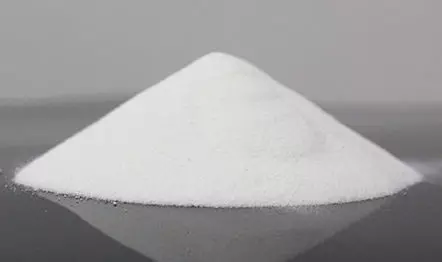
Ammonium Chloride
Found this useful?