TotalEnergies Takes Full Ownership of Grandpuits Plastics Recycling Plant
TotalEnergies has made a significant move in Europe's circular plastics market by taking full ownership of the advanced recycling plant at Grandpuits, France. The company acquired Plastic Energy's remaining 35% interest after already holding 65%, bringing the facility entirely under its control. The plant began production in March 2026 and can process 15,000 tonnes of plastic waste annually.
The transaction changes the ownership structure of a facility designed to convert hard-to-recycle plastic waste into a synthetic oil that can serve as a circular petrochemical feedstock. For chemical traders, polymer buyers and procurement teams, the development signals how major petrochemical companies are increasingly integrating recycling assets directly into their own production chains.
TotalEnergies Grandpuits Plant Moves to Full Ownership
The Grandpuits facility operates within TotalEnergies' broader transformation of its site into a zero-crude platform. The advanced recycling unit uses pyrolysis to process plastic waste that conventional mechanical recycling cannot easily handle.
TotalEnergies previously owned 65% of the plant while Plastic Energy held 35%. Following the acquisition, TotalEnergies now owns 100% of the operation.
Plastic Energy will continue providing its proprietary TAC technology through an ongoing technology and licensing arrangement. This means the ownership change does not remove the technology partnership that supports the recycling process.
The facility's annual capacity of 15,000 tonnes of plastic waste gives TotalEnergies a dedicated source of recycled feedstock within its European petrochemical network. The company can therefore connect waste collection, recycling and downstream polymer production more closely.
Why Chemical Recycling Matters for Plastic Buyers
Mechanical recycling remains an important part of the plastics recovery system, but some waste streams present significant processing challenges. Flexible packaging and mixed post-consumer plastics can contain combinations of materials that make conventional recycling difficult.
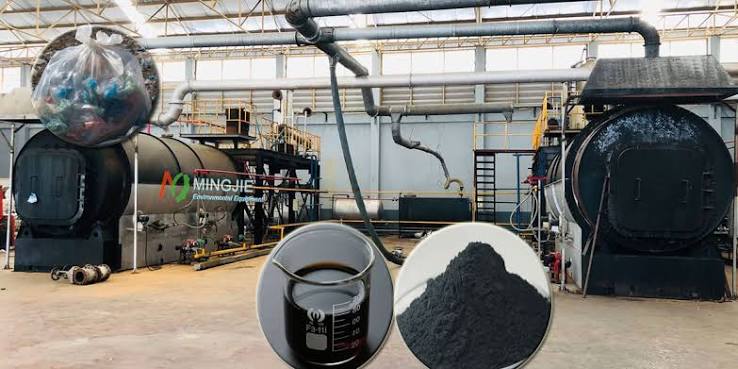
Advanced recycling approaches the problem differently. At Grandpuits, pyrolysis heats plastic waste in an oxygen-free environment and converts it into a synthetic oil.
That oil can then enter petrochemical processing routes as an alternative to conventional fossil-based feedstock. TotalEnergies says the resulting recycled plastics can match the quality of virgin plastics and serve demanding applications, including food-contact and medical uses.
For procurement teams, this creates another sourcing pathway for circular polymer materials without necessarily requiring a completely separate manufacturing infrastructure.
Grandpuits Strengthens the Circular Feedstock Chain
The commercial importance of the Grandpuits plant goes beyond its 15,000-tonne annual capacity. Its integration with TotalEnergies' existing petrochemical operations creates a direct connection between waste-derived feedstock and polymer production.
The plant receives difficult-to-recycle plastic waste from French households, including material collected through yellow recycling bins. TotalEnergies has also established arrangements with Citeo and Paprec to support long-term waste supply for the facility.
This integrated model can provide several advantages for the plastics value chain:
Feedstock integration: Recycled oil can move into existing petrochemical processing routes rather than requiring a completely separate downstream system.
Waste diversion: Plastic waste that might otherwise go to landfill or incineration can become an industrial feedstock.
Circular polymer production: The recovered material can support production of plastics designed for applications that require consistent performance.
Supply-chain control: Full ownership gives TotalEnergies greater control over the plant's operations and strategic development.

What Full Ownership Means for TotalEnergies
The acquisition gives TotalEnergies direct control over an advanced recycling asset that has already entered commercial operation. That can make strategic decision-making simpler as the company develops its circular plastics business.
Full ownership also allows TotalEnergies to align the plant more closely with its wider petrochemical and low-carbon strategy. Rather than managing the facility through a joint ownership structure, the company can determine its operating priorities within its broader industrial network.
The timing also matters. The Grandpuits plant started production in March 2026, meaning the ownership change comes soon after the facility reached operational status.
For TotalEnergies, this creates an opportunity to build experience around the commercial operation of chemical recycling while maintaining access to Plastic Energy's technology.
The Procurement Impact for Recycled Plastic Feedstocks
Plastic and polymer buyers increasingly need to consider more than conventional product specifications when evaluating suppliers. Recycled content, feedstock origin, certification requirements and traceability can all influence purchasing decisions.
The Grandpuits development illustrates why procurement teams should monitor changes in upstream recycling capacity. New chemical recycling facilities can gradually expand the availability of circular feedstocks that enter conventional petrochemical production systems.
Buyers should pay particular attention to:
Material specifications: Confirm the polymer grade, recycled content and application suitability before committing to supply.
Traceability: Understand how recycled feedstock moves from waste collection through processing and polymer production.
Certification: Review applicable chain-of-custody and sustainability certifications for products marketed as circular.
Supply consistency: Evaluate available volumes, production schedules and logistics before depending on recycled feedstock for regular procurement.
Application requirements: Food packaging, medical materials and other sensitive applications may require additional technical and regulatory documentation.
These considerations can help buyers distinguish between a recycled material's environmental positioning and its actual suitability for an industrial application.
France's Advanced Recycling Market Gains an Industrial Anchor
The Grandpuits facility represents an important development for France's chemical recycling sector. Its integration into an established petrochemical complex provides a practical route for converting difficult plastic waste into industrial feedstock.
The plant also supports TotalEnergies' broader transformation of Grandpuits. The company is developing the site as a zero-crude platform, combining different activities associated with lower-carbon energy and materials production.
For chemical traders, France could become an increasingly relevant market to watch as recycling infrastructure expands. Greater availability of locally processed circular feedstocks could influence European polymer sourcing patterns over time.
The development also highlights the growing relationship between waste management companies, recycling technology providers and petrochemical manufacturers. These partnerships can determine how quickly circular materials move from pilot projects into commercial supply chains.
How the Plastic Energy Relationship Is Changing
The transaction does not represent a complete break between TotalEnergies and Plastic Energy. Plastic Energy's technology continues to support the Grandpuits plant through a technology and licensing agreement.
Plastic Energy has also retained ownership and operation of its recycling plants in Almeria and Seville in Spain, alongside its joint venture with SABIC in the Netherlands.
This creates a different relationship at Grandpuits. TotalEnergies now controls the physical asset while Plastic Energy continues contributing its technology expertise.
For the wider recycling industry, this structure demonstrates how technology ownership and plant ownership can operate separately. A company can retain intellectual property and licensing revenue while allowing an industrial partner to own and operate a commercial facility.
What Buyers Should Watch Through 2027
The next stage for the Grandpuits project will be its performance as an operating industrial asset. Procurement teams should watch how consistently the facility processes waste, produces circular feedstock and connects that material with downstream polymer manufacturing.
Several factors could shape the commercial significance of the project:
Operating performance: Actual plant utilization will determine how much recycled feedstock enters the market.
Waste availability: Stable access to suitable plastic waste remains essential for chemical recycling economics.
Circular polymer demand: Brand owners and converters seeking recycled content can influence demand for chemically recycled materials.
European regulation: Packaging and recycled-content requirements can affect the attractiveness of circular feedstocks.
Technology expansion: Successful operation could encourage further investment in advanced recycling capacity.
For traders and importers, these developments could gradually change the competitive landscape for recycled and virgin polymer feedstocks. Monitoring plant capacity, product availability and certification requirements will become increasingly important when building procurement strategies.
The Bottom Line for Plastics Procurement Teams
TotalEnergies' acquisition of Plastic Energy's 35% stake gives the energy and petrochemical company complete ownership of the Grandpuits advanced plastics recycling plant. With 15,000 tonnes of annual plastic waste processing capacity, the facility provides TotalEnergies with greater control over an operating circular feedstock asset.
The transaction also shows a broader shift in the plastics industry. Recycling is moving closer to the core petrochemical value chain, while technology providers and major producers are developing different ownership and licensing models to scale circular production.
For chemical buyers, the key issue is not simply who owns a recycling plant. The larger question is how reliably recycled feedstocks can enter commercial polymer supply chains at the required quality, volume and certification level.
Polyethylene Terephthalate (PET)
Found this useful?