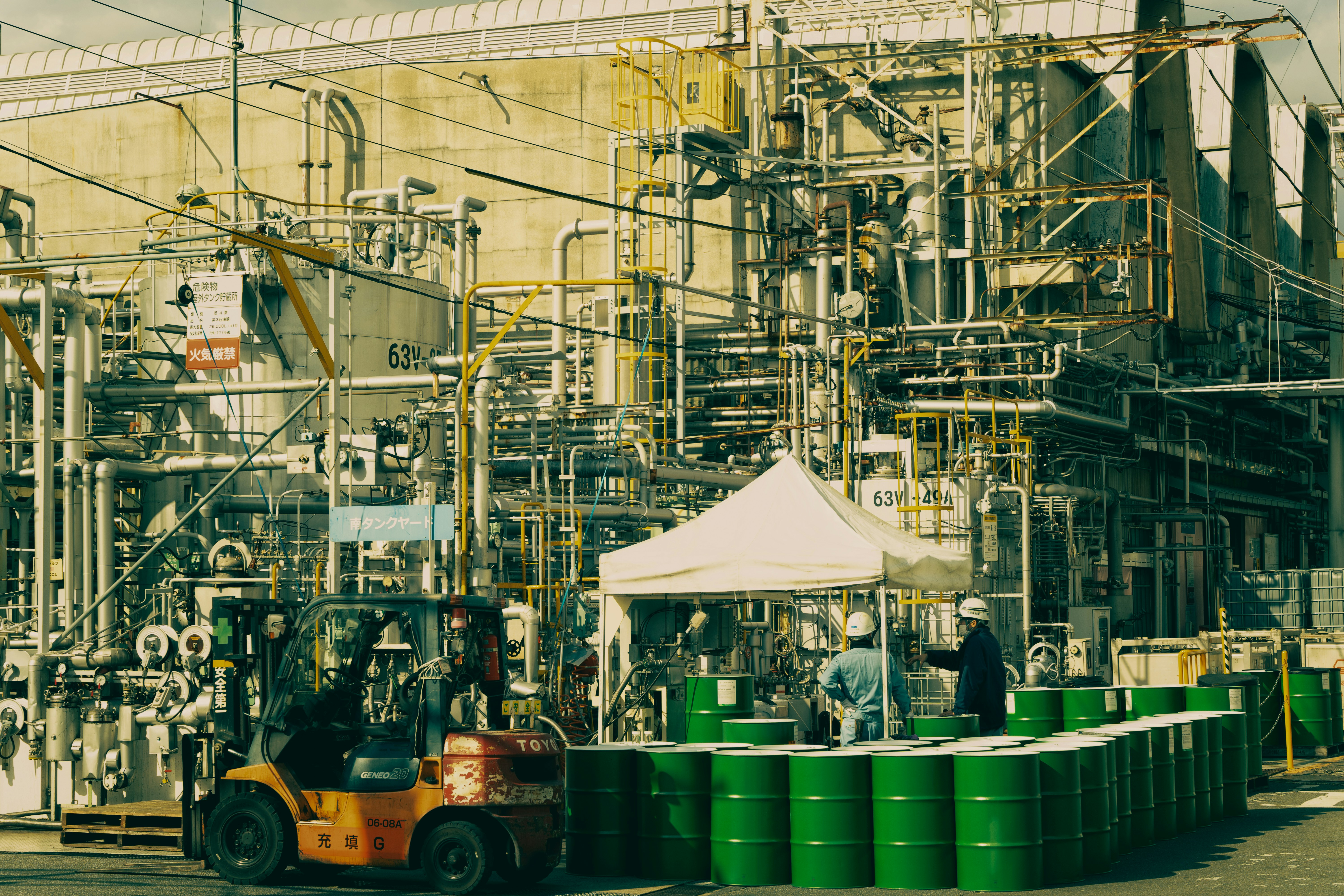
Pharmaceutical Solvents: Applications and Quality Requirements
Pharmaceutical manufacturing depends on various materials that support the development, processing and quality of medicines. Among these materials, pharmaceutical solvents play an important role in formulation development, chemical synthesis, purification and analytical testing. Their physical and chemical properties influence manufacturing consistency and the quality of pharmaceutical products.
Solvents can help dissolve ingredients, support the separation of different substances and contribute to the preparation of pharmaceutical formulations. However, their quality requires careful evaluation because unwanted solvent residues or impurities can affect the safety and quality of finished medicines.
As pharmaceutical manufacturing becomes more specialised, manufacturers place greater emphasis on solvent purity, regulatory compliance and documented quality management. Understanding these requirements helps explain the importance of pharmaceutical solvents throughout the industry's production and testing processes.
What Are Pharmaceutical Solvents?
Pharmaceutical solvents are liquids used in different stages of pharmaceutical development and manufacturing. They provide a medium for dissolving, processing or separating substances and can influence the physical characteristics of pharmaceutical formulations.
Their applications extend across chemical synthesis, ingredient purification, formulation development and laboratory analysis.
Unlike active pharmaceutical ingredients, solvents generally do not provide the primary therapeutic effect. Instead, they support manufacturing operations and formulation characteristics.
Common Categories of Pharmaceutical Solvents
Pharmaceutical solvents can be grouped according to their chemical properties and intended industrial applications.
Alcohol-based solvents: Certain alcohols have applications in pharmaceutical processing, laboratory analysis and formulation development.
Ester-based solvents: Selected esters serve as processing media in chemical manufacturing and related industrial applications.
Ketone-based solvents: These organic liquids have specialised applications in pharmaceutical chemical processing.
Hydrocarbon solvents: Selected hydrocarbons serve specific industrial and chemical processing purposes, subject to strict quality and safety considerations.
Aqueous solvents: Water plays an important role in pharmaceutical formulation, laboratory testing and manufacturing processes.
Each category has different chemical characteristics and quality considerations. Manufacturers evaluate suitability within their approved processes and applicable regulatory requirements.
Major Applications of Pharmaceutical Solvents
Pharmaceutical solvents support several areas of the pharmaceutical production and development process. Their functions vary depending on the material, manufacturing stage and intended pharmaceutical application.
1. Pharmaceutical Chemical Manufacturing
Solvents serve as processing media in the production of certain pharmaceutical ingredients. They can influence the physical properties of materials and the characteristics of intermediate and finished substances.
Their presence in manufacturing processes requires appropriate quality controls and documentation.
2. Purification and Separation
Pharmaceutical production may involve purification operations that separate desired substances from unwanted materials.
Solvent-related processes form part of some purification systems. Manufacturers evaluate the resulting material quality to ensure that relevant impurities and residual substances remain within applicable specifications.
3. Pharmaceutical Formulation Development
Formulation development involves evaluating how different ingredients behave when combined.
Certain solvents support the preparation of liquid formulations and help maintain appropriate physical characteristics. Their suitability depends on the intended dosage form, ingredient compatibility and relevant quality requirements.
4. Laboratory Research and Analytical Testing
Pharmaceutical laboratories use solvents in analytical procedures and research activities.
Laboratory-grade materials support testing activities such as chemical identification, purity assessment and instrumental analysis. Their quality matters because unsuitable materials can interfere with analytical results.
5. Pharmaceutical Product Development
Solvent characteristics can influence formulation development, ingredient compatibility and product stability.
Development teams evaluate these characteristics as part of the wider process of establishing appropriate pharmaceutical quality specifications.

Pharmaceutical Solvent Quality Requirements
Quality is one of the most important considerations in pharmaceutical solvent evaluation. Variations in purity, chemical composition or contamination levels can affect manufacturing consistency and the quality of pharmaceutical products.
Manufacturers establish specifications to ensure that materials meet their intended quality requirements.
Chemical Purity and Identity
Chemical identity confirms that a material corresponds to its specified chemical composition.
Purity testing evaluates the presence of unwanted substances and relevant impurities. These assessments help establish whether a material meets its applicable pharmaceutical specifications.
Residual Solvent Control
Residual solvents are organic volatile substances that may remain after manufacturing or purification processes.
The International Council for Harmonisation (ICH) addresses this subject through its Q3C guideline on residual solvents. The guideline categorises solvents according to their toxicological risks and establishes recommendations for acceptable exposure levels.
Its broad classification includes:
Class 1: Solvents that should generally be avoided because of their unacceptable toxicity.
Class 2: Solvents that require restrictions because of their potential health risks.
Class 3: Solvents with comparatively lower toxicological potential under the guideline's framework.
The classification supports a consistent approach to evaluating residual solvent risks in pharmaceutical products.
Moisture and Contamination
Moisture content and unwanted contamination can influence the quality and consistency of pharmaceutical materials.
Manufacturers establish appropriate specifications based on the solvent's intended application. Relevant quality assessments may include water content, chemical impurities and other material-specific characteristics.
Physical and Chemical Properties
Solvent properties can influence their suitability for different pharmaceutical applications.
Important characteristics include:
Chemical composition and identity.
Purity and impurity profile.
Water content.
Physical appearance.
Stability and consistency.
Compliance with applicable specifications.
The appropriate quality criteria depend on the material and its intended role in pharmaceutical manufacturing.
Regulatory Standards for Pharmaceutical Solvents
Pharmaceutical solvents fall within broader pharmaceutical quality and manufacturing frameworks. Regulatory requirements help manufacturers maintain material consistency, control impurities and demonstrate that production processes meet established standards.
ICH Q3C Guidelines
The ICH Q3C guideline provides internationally recognised recommendations for controlling residual solvents in pharmaceutical products.
It focuses on patient safety and encourages the use of less toxic solvents where appropriate. It also establishes permitted daily exposure concepts for evaluating certain residual solvents.
The European Medicines Agency (EMA) recognises ICH Q3C(R9) as the effective guideline version adopted in April 2024.
Good Manufacturing Practices
Good Manufacturing Practices (GMP) establish quality requirements for pharmaceutical manufacturing operations.
These practices cover several important areas:
Material quality management and documentation.
Manufacturing process consistency.
Equipment and facility controls.
Laboratory testing and quality assurance.
Contamination prevention.
Batch identification and traceability.
The FDA's current GMP framework establishes requirements for pharmaceutical manufacturing, processing, packaging and quality control.
Pharmacopoeial Standards
Pharmacopoeias provide recognised quality specifications for pharmaceutical materials and ingredients.
Important references include:
United States Pharmacopeia (USP).
European Pharmacopoeia (Ph. Eur.).
British Pharmacopoeia (BP).
These standards provide specifications and testing requirements for applicable pharmaceutical materials. The relevant standard depends on the material, intended application and regulatory market.
Quality Testing and Documentation
Pharmaceutical manufacturers rely on documented testing and quality assessments to establish material consistency.
Testing requirements vary according to the solvent and its intended pharmaceutical application.
Important Quality Assessments
Common quality evaluation areas include:
Identification testing: Confirms the identity of the material.
Purity assessment: Evaluates chemical composition and relevant impurities.
Water content: Determines moisture levels against applicable specifications.
Residual impurity testing: Evaluates unwanted substances that may remain in the material.
Stability assessment: Examines whether material characteristics remain consistent under defined conditions.
Analytical techniques such as gas chromatography and Karl Fischer titration support selected pharmaceutical quality assessments.
Essential Quality Documentation
Pharmaceutical quality systems rely on appropriate documentation to establish material identity, specifications and traceability.
Important documents include:
Certificate of Analysis (CoA).
Safety Data Sheet (SDS).
Technical Data Sheet (TDS).
Applicable pharmacopoeial compliance information.
Batch identification and traceability records.
Relevant quality and manufacturing documentation.
Documentation should correspond to the material and its intended pharmaceutical application.
Challenges in the Pharmaceutical Solvent Industry
The pharmaceutical solvent sector faces several challenges related to quality management, regulatory compliance and manufacturing consistency.
Maintaining Consistent Quality
Variations in chemical composition or impurity profiles can create difficulties for pharmaceutical manufacturers.
Maintaining consistent specifications across production batches requires effective quality management and appropriate testing procedures.
Regulatory Compliance
Pharmaceutical companies operating across different markets must understand regional regulatory expectations.
Differences in documentation requirements and applicable quality standards can increase the complexity of pharmaceutical manufacturing operations.
Environmental Considerations
Solvent-related manufacturing processes can create environmental challenges involving waste generation, emissions and resource consumption.
Pharmaceutical manufacturers increasingly evaluate environmental performance as part of their broader production and sustainability strategies.
Supply Chain Continuity
The pharmaceutical industry depends on reliable access to materials that meet established quality specifications.
Manufacturing interruptions, transportation difficulties and changes in material availability can affect production planning. Companies therefore place importance on supply chain visibility and documented quality management.
Sustainability and Innovation in Pharmaceutical Solvents
Environmental responsibility is becoming an important consideration in pharmaceutical manufacturing.
Companies are examining ways to reduce waste, improve resource efficiency and support more sustainable production systems.
Development of Greener Solvent Technologies
Green chemistry encourages the development of manufacturing processes that reduce environmental impact.
In pharmaceutical research, solvent sustainability is an important area of consideration. Researchers evaluate environmental characteristics alongside technical performance and pharmaceutical quality requirements.
Solvent Recovery and Environmental Management
Solvent recovery is an established subject within pharmaceutical manufacturing sustainability.
However, recovered materials require appropriate quality evaluation before any further pharmaceutical application. Their identity, impurity profile and consistency must meet relevant specifications.
The WHO's pharmaceutical manufacturing guidance emphasises documented controls and appropriate specifications for recovered materials.
Digital Quality Management
Digital technologies are also influencing pharmaceutical quality systems.
Manufacturers increasingly use digital records, automated monitoring and data management systems to improve documentation and process visibility.
These developments can support more consistent quality oversight and improve the organisation of manufacturing records.
Future Outlook for Pharmaceutical Solvents
The pharmaceutical solvent sector will continue to evolve alongside developments in drug manufacturing, analytical technologies and regulatory requirements.
Several areas are likely to influence its future direction:
Stronger quality expectations: Pharmaceutical manufacturers will continue to emphasise purity, traceability and documented material specifications.
Green chemistry: Environmental considerations will remain important in pharmaceutical process development.
Advanced analytical methods: Improved testing technologies will support more detailed material characterisation.
Regulatory developments: Updates to international guidelines may influence residual solvent evaluation and quality requirements.
Manufacturing innovation: Digitalisation and process improvements will continue to influence pharmaceutical production environments.
For pharmaceutical industry professionals, understanding these developments is important for maintaining awareness of changing manufacturing and quality expectations.
Pharmaceutical solvents remain essential components of modern drug manufacturing. Their importance extends beyond their chemical properties to include purity, regulatory compliance, analytical reliability and environmental performance. As pharmaceutical production becomes increasingly sophisticated, quality management will remain central to the industry's approach to solvent-related materials.
Explore more pharmaceutical manufacturing insights and chemical industry developments on ChemicalsBlog.
Refined Glycerine 99.7% Min USP BP
Found this useful?