Concrete Curing Compounds: Applications and Buyer Considerations
Concrete Curing Compounds: Applications and Buyer Considerations
What Is a Concrete Curing Compound and Why It Matters
A concrete curing compound is a liquid that is sprayed or rolled onto fresh concrete, where it dries into a thin membrane that seals the surface and keeps the mixing water inside the slab long enough for the cement to hydrate, and it is the dominant curing method for pavements, bridge decks, and large flatwork because one pass of spraying replaces days of ponding, wet burlap, or plastic sheeting. These compounds are crucial for controlling moisture loss during the early stages of concrete hydration, leading to stronger, more durable concrete, and curing compounds are normally the most economical method for curing large areas of paving because of relatively low labor costs. Final curing methods can be classified into three types: curing-compound methods, water-added methods, and water-retentive methods, and for most paving applications, selection among these methods is largely a matter of economics of materials and labor. Curing compounds are membrane-forming chemicals, water-based, resin-based, or wax-based, applied immediately after surface finishing, forming a thin film that retains moisture in fresh concrete, ensuring proper hydration, and ensuring compliance with standards like ASTM C309 or ASTM C1315 for performance is essential.
Types: Water-Based, Resin-Based, Wax-Based and Acrylic
Water-Based, Resin-Based and Wax-Based Compounds
There are two major types of curing compound based on chemical composition, with water-based concrete curing compounds being low-VOC, easy to clean, and preferred where VOC regulations apply, and solvent-based compounds offering faster drying and better film formation in cold or damp conditions. Acrylic curing compounds are a common type of membrane curing compound, offering good moisture retention, UV stability, and compatibility with later coatings, while resin-based curing compounds will normally oxidize and break down over time, allowing later coatings to bond, and wax-based compounds form a strong moisture barrier but must be removed by pressure washing before applying coatings or overlays. Important considerations when choosing a curing compound include VOC regulations, where check local regulations regarding VOC limits, and water-based options are generally preferred, as well as application temperature, wind, and surface finish.
ASTM C309 and ASTM C1315 Classifications
The main performance specification for curing compounds is ASTM C-309, which states requirements for liquid membrane-forming compounds for curing concrete, with types including Type 1 clear or translucent, Type 1-D clear or translucent with fugitive dye, and Type 2 white pigmented. This specification covers liquid membrane-forming compounds suitable for application to concrete surfaces to reduce loss of water during early-hardening period, and specifications for curing compounds are also covered by AASHTO M 148, which is equivalent to ASTM C309. ASTM C-1315 is the standard specification for liquid membrane-forming compounds that cure and seal concrete, combining curing and sealing in one product, and these products are commonly used on exterior concrete, commercial slabs, decorative concrete, sidewalks, driveways, and other flatwork where curing performance and finished appearance both matter.
Applications: Pavements, Slabs, Bridge Decks and Decorative Concrete
Pavements, Bridge Decks and Large Flatwork
Curing compounds are normally the most economical method for curing large areas of paving, and for pavements, bridge decks, and large flatwork, white pigmented Type 2 compounds are often preferred because they reflect sunlight, reduce surface temperature, and make it easy to see where the compound has been applied. Moisture retention is tested via ASTM C156 water retention capacity, and reflectance testing is for reflective pigmented compounds per ASTM E903, ensuring that the compound actually retains moisture and reflects heat as claimed. For pavements, application rate is critical, with too little compound leading to cracking and dusting, and too much leading to a thick film that peels or interferes with joint sawing and surface texture.
Commercial Slabs, Decorative and Exterior Concrete
For commercial slabs, decorative concrete, sidewalks, driveways, and other flatwork, cure-and-seal compounds under ASTM C1315 are often chosen because they cure the concrete and leave a glossy, protective sealer that enhances color and resists staining, and they eliminate the need for a separate sealer application. For decorative concrete, the curing compound must be compatible with color hardeners, stains, and sealers, and it must not yellow or trap moisture that causes whitening, so buyers should test a small area first. For exterior concrete in hot, windy conditions, buyers should choose a compound with high water retention and apply it immediately after finishing, before surface water evaporates, and re-apply if the surface is exposed to wind or sun.
Buyer Considerations: Performance, Compatibility and Application
Performance, VOC, Compatibility and Cost
Buyers should ask for ASTM C309 or C1315 test reports, VOC content, solids content, coverage rate in m2 per litre, drying time, and water retention data, and they should verify that the compound is compatible with later coatings, adhesives, or overlays, because wax and some resins can prevent bonding if not removed. Buyers should also consider application method, whether spray, roller, or airless sprayer, and whether the compound requires a single coat or two coats at right angles, and they should check storage, shelf life, and whether the compound freezes in winter. By choosing the right type, from water-based acrylic for decorative slabs to white pigmented resin for pavements, verifying ASTM compliance, and applying at the correct rate and timing, buyers can ensure stronger, more durable concrete with less cracking, dusting, and surface defects.
Sources with Links:
What are the different types of membrane curing compounds? – TrueGeometry Blog – https://blog.truegeometry.com/api/exploreHTML/8d122959b3a11a0dbbb929b1a0ec8602.exploreHTML
Applications of Concrete Curing Compounds – Civil Engg Blitz – https://civilenggblitz.com/concrete-curing-compounds/
Concrete Curing Compound – SourceBySpec – https://www.sourcebyspec.com/encyclopedia/concrete-curing-compound.html
Chapter 4. The Final Curing Period - Guide for Curing of Portland Cement Concrete Pavements – FHWA – https://www.fhwa.dot.gov/publications/research/infrastructure/pavements/pccp/02099/chapt4.cfm
Basic Facts About Cures & Sealers – SpecChem – https://specchem.com/articles/basic-facts-about-cures-sealers/
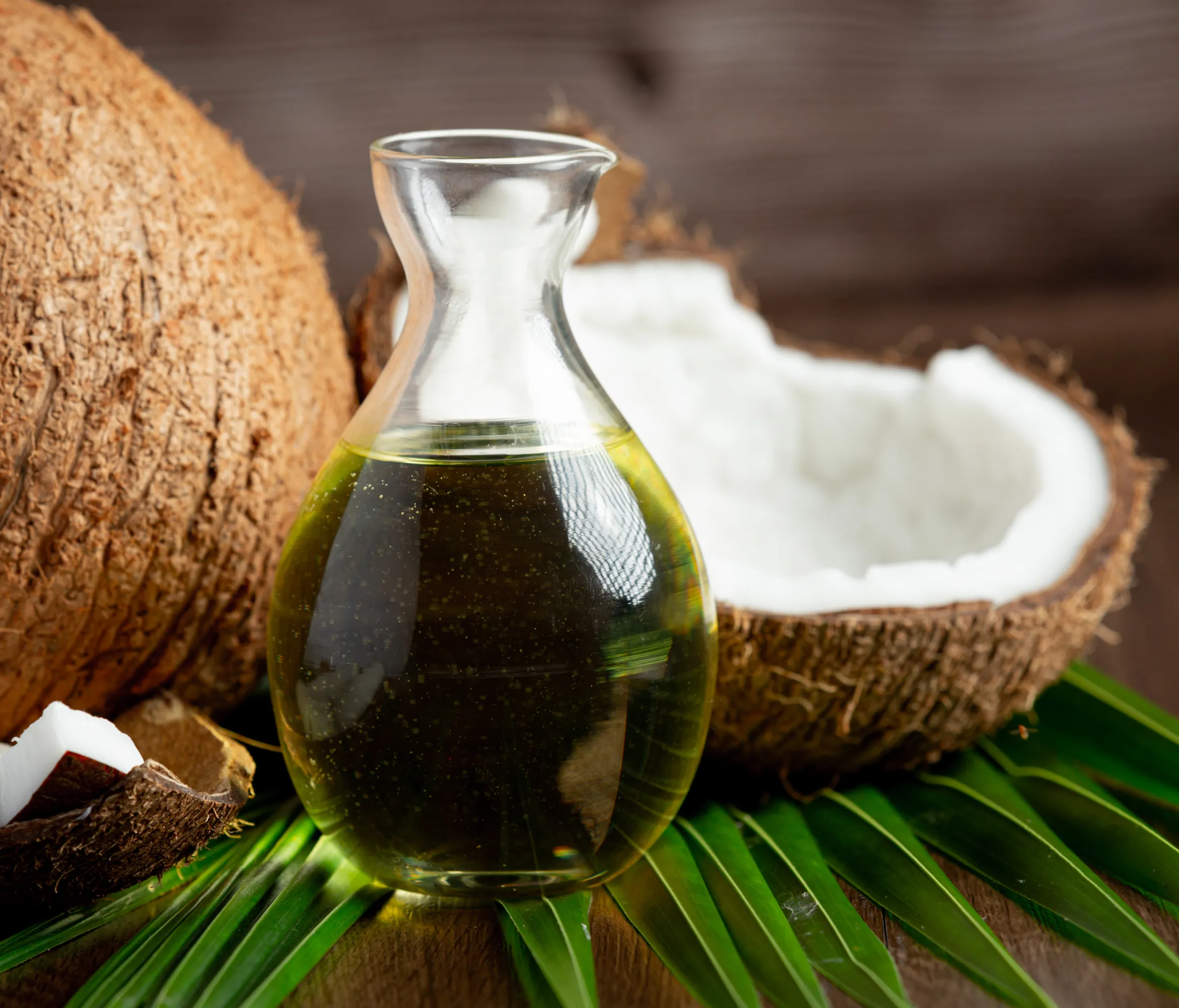
Crude Coconut Oil
Found this useful?