Polystyrene: Industrial Uses and Global Market Trends
Major Industrial Uses of Polystyrene
Packaging and Food Processing Industry
Packaging is one of the largest application areas for polystyrene. GPPS and HIPS are used to manufacture rigid containers, trays, cups and protective packaging, while EPS provides cushioning and insulation for sensitive products.
Food manufacturers and distributors use polystyrene packaging because it is lightweight, easy to mold and provides protection during transportation and storage.
The material is also used in insulated food packaging and temperature-controlled shipping solutions, particularly where maintaining product temperature is important.
Building and Construction Industry
The construction sector uses EPS and XPS extensively for thermal insulation and lightweight building materials.
These materials help reduce heat transfer through walls, roofs and floors, supporting energy-efficient building designs. Their insulation performance makes them useful in residential, commercial and industrial construction projects.
Growing interest in energy-efficient buildings and infrastructure development is supporting demand for polystyrene insulation products in several markets.
Electrical and Electronics Manufacturing
Polystyrene is used in electrical and electronic equipment because of its moldability, dimensional stability and electrical insulation properties.
HIPS is particularly important for manufacturing refrigerator liners, television housings, appliance panels and other electronic components.
Manufacturers also use EPS protective packaging to prevent damage to electronic products during transportation and distribution.
Automotive and Transportation
The automotive industry uses polystyrene-based materials in selected interior components, protective packaging and lightweight applications.
EPS is also used in protective components and packaging for automotive parts, helping reduce transportation damage.
Demand from this sector is influenced by vehicle production, material cost considerations and manufacturers' efforts to improve weight efficiency.
Healthcare and Pharmaceutical Applications
Polystyrene plays an important role in healthcare and laboratory applications. Its different grades are used to manufacture laboratory containers, petri dishes, test tubes, sample trays and diagnostic equipment components.
EPS is also used in insulated packaging for certain pharmaceutical products and temperature-sensitive medical supplies.
The expansion of healthcare manufacturing, pharmaceutical distribution and diagnostic testing supports demand for specialized polystyrene products.
Global Polystyrene Market Trends and Developments
Global Demand and Production Developments
The global polystyrene market is influenced by demand from packaging, construction, electronics, household appliances and consumer goods manufacturing.
According to PTT Global Chemical's 2025 annual report, global polystyrene demand increased by approximately 0.4% in 2025, reaching 10.8 million tonnes. Global production capacity increased by approximately 1.1% to 17.8 million tonnes during the same period.
These figures indicate that capacity expansion outpaced demand growth, creating potential pressure on producer margins and regional trade flows.
The market also experienced different demand patterns across product categories. GPPS demand from food packaging experienced a slight slowdown, while HIPS maintained growth supported by applications in electrical appliances and electronics.
Asia-Pacific Remains a Major Market
Asia-Pacific is an important production and consumption centre for polystyrene, supported by its large manufacturing base and growing industrial sectors.
China, India, Japan, South Korea and Southeast Asian countries contribute to regional demand through packaging, construction, electronics and consumer goods manufacturing.
According to Grand View Research, Asia-Pacific accounted for approximately 54% of global polystyrene market revenue in 2024.
The region benefits from expanding manufacturing capacity, urban development, infrastructure investment and increasing demand for packaged consumer products.
Growing Demand for Insulation Materials
Energy efficiency is becoming an important consideration in residential and commercial construction.
EPS and XPS are widely used in insulation systems because they provide thermal resistance and lightweight construction solutions.
Increasing investment in building renovation, energy-efficient housing and infrastructure development is creating opportunities for polystyrene insulation manufacturers.
Changing Packaging Requirements
The packaging industry remains a major source of polystyrene consumption. However, manufacturers are facing increasing pressure to reduce packaging waste and improve material recyclability.
Foodservice businesses, retailers and packaging converters are evaluating alternative materials, reusable packaging systems and recycled plastic solutions.
These developments are encouraging polystyrene manufacturers to improve product design, recycling technologies and material recovery systems.

Environmental Regulations and Sustainability Challenges
Environmental considerations are becoming increasingly important for the global polystyrene industry.
Conventional polystyrene packaging can create waste-management challenges because lightweight foam products may be difficult and expensive to collect, transport and recycle economically.
Several markets are introducing stricter packaging requirements to reduce plastic waste and encourage circular material use.
In the European Union, the Packaging and Packaging Waste Regulation (PPWR), Regulation (EU) 2025/40, entered into force in February 2025 and became applicable on 12 August 2026. It establishes requirements covering packaging design, recyclability, waste prevention and recycled material use.
These regulatory developments are encouraging packaging manufacturers and chemical producers to reconsider traditional material choices and invest in more sustainable solutions.Recycling and Circular Economy Opportunities
Improving polystyrene recycling is an important opportunity for the industry. Mechanical recycling can process suitable recovered polystyrene into reusable plastic materials, while advanced recycling technologies are being developed to recover chemical building blocks from waste streams.
However, collection costs, contamination, transportation and sorting remain significant challenges.
Manufacturers are exploring several approaches, including:
Improving collection and sorting infrastructure.
Developing recycled polystyrene materials.
Investing in advanced recycling technologies.
Designing packaging for easier recovery and recycling.
Increasing cooperation between resin producers, converters and waste-management companies.
These initiatives could help improve material recovery and reduce dependence on virgin styrene-based feedstocks.
Factors Influencing Polystyrene Prices and Supply
Polystyrene prices are affected by several upstream and downstream market conditions.
Styrene monomer prices: Styrene is the primary feedstock used in polystyrene production. Changes in styrene availability and pricing can directly influence resin manufacturing costs.
Energy and production expenses: Electricity, fuel, utilities and transportation contribute to overall production costs, particularly for energy-intensive manufacturing processes.
Supply and demand balance: New production capacity, plant shutdowns, maintenance activities and changing consumption patterns influence regional availability and pricing.
International trade: Export volumes, import requirements, freight costs and trade policies can affect regional market competitiveness.
Regulatory requirements: Environmental legislation and recycling obligations may increase compliance costs while encouraging investment in alternative materials and technologies.
For buyers and distributors, monitoring these factors is important when planning procurement strategies and managing long-term supply agreements.
Future Outlook for the Global Polystyrene Industry
The future of the polystyrene industry will depend on the balance between traditional industrial demand, production capacity and changing environmental requirements.
Packaging, construction insulation, consumer electronics and healthcare applications are expected to remain important consumption areas. At the same time, increasing attention to circular economy practices will influence product development and investment decisions.
Asia-Pacific is likely to remain a significant centre for polystyrene manufacturing and consumption due to its established petrochemical infrastructure and expanding industrial base.
For manufacturers, opportunities will increasingly involve improving production efficiency, developing recyclable materials and strengthening supply-chain partnerships.
For chemical distributors and industrial buyers, understanding differences between GPPS, HIPS, EPS and XPS will remain essential for selecting appropriate materials based on performance, availability and cost.
As sustainability requirements continue to evolve, companies that combine competitive production with improved recycling and responsible material management will be better positioned to respond to changing market conditions.
Sources and Further Reading
S&P Global Commodity Insights – Chemical Economics Handbook: Polystyrene – Global polystyrene applications, product categories and market structure.
PTT Global Chemical – 2025 Annual Report – Global polystyrene demand, production capacity and product segment developments.
Grand View Research – Global Polystyrene Market – Market size, regional demand and industry growth outlook.
European Commission – Packaging and Packaging Waste – European packaging regulations, recycling and sustainability requirements.
INEOS – Annual Report 2024 – GPPS and HIPS production, characteristics and industrial applications.
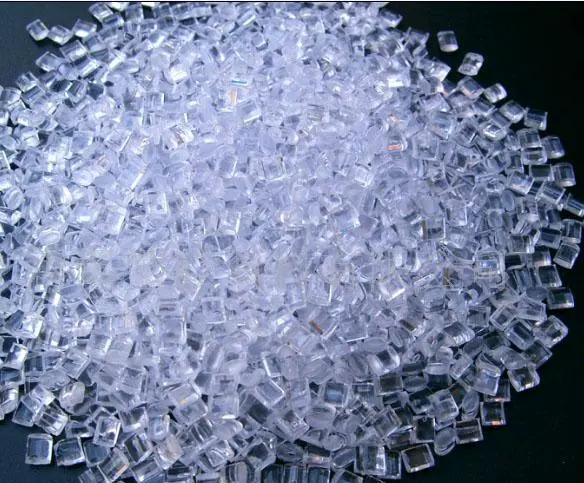
General-Purpose Polystyrene (GPPS)
Found this useful?