Operational Schildwind
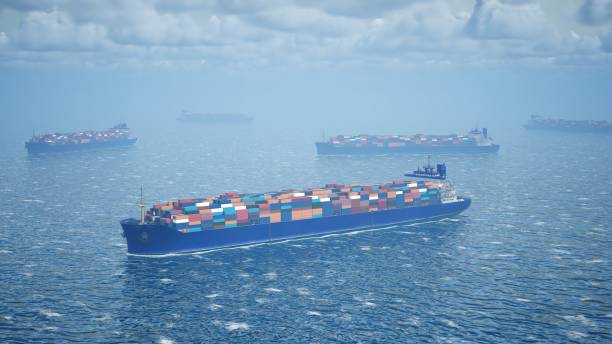
The Strait of Hormuz, a vital chokepoint for global trade, now sees vessel movements at a fraction of their normal pace. Shipping companies report delays ranging from a few hours to several days, compounding the already tight logistics schedules that keep the world’s supply chains humming. Key metrics indicate that daily traffic has dropped by more than 40 percent, тарагging freight rates and triggering a domino effect on port operations across the Gulf.
Vessel Movements and Navigational Risks
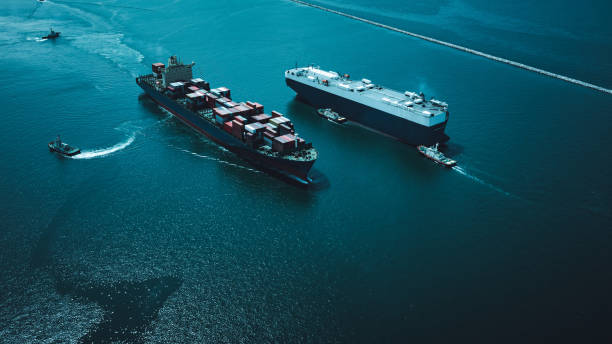
With fewer ships passing through, the remaining vessels face heightened navigational challenges. The congested lanes increase the risk of collisions and grounding incidents, especially for large chemical tankers that require precise routing to avoid hazardous spills. Maritime authorities have bolstered surveillance, but the dynamic political environment adds an extra layer of uncertainty.
Humanitarian Crisis for Maritime Workforce
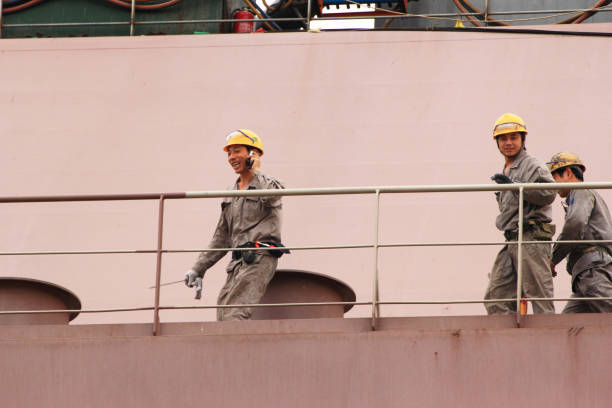
Seafarers, the backbone of international trade, are caught in a limbo that threatens both their livelihoods and their mental health. Approximately 6,000 crew members on a mix of commercial, oil, and chemical vessels cannot change due to the lack of scheduled port calls.
Crew Change Restrictions
Companies have suspended crew change operations, citing security concerns and the need to limit personnel movements. This hasreturned crews to a state of “stuck” where they must endure extended periods at sea without the opportunity to rest, refresh, or attend to personal matters. The psychological toll is significant, with reports of increased anxiety, depression, and fatigue.
Impact on Maritime Labor Standards
International maritime regulations, such as the Maritime Labour Convention, set standards for crew welfare and safety. The current situation risks violating these provisions, potentially leading to legal disputes and reputational damage for shipping lines that fail to provide adequate support to their crews.
Chemical Supply Chain Disruptions
The chemical industry relies heavily on timely tanker deliveries from the Gulf to markets worldwide. The slowdown in Hormuz traffic threatens to halt the flow of essential chemicals used in manufacturing, agriculture, and energy production.
Delays in Chemical Delivery
Key chemicals such as olefins, solvents, and specialty chemicals are experiencing shipment delays that ripple through downstream processes. Factories that depend on just‑in‑time inventory now face stock shortages, production halts, and increased reliance on costly emergency sourcing.
Safety and Environmental Concerns
Large tankers carrying hazardous cargoes take longer routes or wait in holding areas, increasing the exposure time in congested zones. This raises the risk of accidental spills, which could have catastrophic environmental and economic consequences.
Potential Solutions and Mitigation Strategies
Addressing this multifaceted crisis requires a coordinated effort from governments, shipping companies, and international organizations. Below are actionable steps that could alleviate the situation.
Enhanced Maritime Security Coordination
Streamlined Crew Change Protocols
Adopt contactless crew change procedures that minimize on‑shore presence.
Implement digital health and safety verification to expedite clearance.
Diversifying Chemical Transport Routes
Shipping lines can temporarily reroute critical chemical shipments through alternative chokepoints such as the Strait of Malacca or the Suez Canal, despite the higher costs and longer transit times. Collaborative planning among carriers and logistics providers will be essential to manage the increased complexity.
Strengthening International Maritime Agreements
Review and reinforce the Maritime Labour Convention provisions for emergency situations. Governments should pledge support for stranded crews, ensuring access to medical care, communication, and financial assistance.