
$700 Million Regenerative Pilot Program Set for Expanded Funding
The United States Department of Agriculture has been explicitly instructed to maximize funding for the existing $700 million Regenerative Pilot Program. Furthermore, the agency is tasked with evaluating its rapid expansion through strategic public-private partnerships. This executive directive signals a massive, federally backed acceleration of sustainable farming practices across the country.
For agricultural chemical buyers, input suppliers, and large-scale farm operators, this is a critical market signal. The structural shift toward regenerative agriculture will fundamentally alter demand for traditional synthetic inputs while driving explosive growth in bio-based fertilizers, soil amendments, and cover crop seeds. Procurement teams must proactively adapt their sourcing strategies to capitalize on this emerging market dynamic. Ignoring this trajectory risks leaving supply chains dependent on legacy chemistries that face declining institutional support.
Understanding the $700 Million Program Expansion
The Regenerative Pilot Program was designed to incentivize farmers to adopt practices that improve soil health, enhance water retention, and sequester carbon. By maximizing its funding, the USDA is removing financial barriers for early adopters.
The mandate to explore public-private partnerships is equally significant. It indicates that government funding will be leveraged to attract private capital from ag-tech firms, commodity groups, and sustainability-focused corporations. This co-investment model will scale the program much faster than federal appropriations alone could achieve.
Chemical manufacturers and distributors must align their product development and marketing pipelines with these priorities. Solutions that demonstrably improve soil microbiome health or reduce synthetic dependency will receive preferential treatment and accelerated market adoption.
Impact on Traditional vs. Alternative Input Demand
As farmers transition to regenerative systems, the demand profile for agricultural inputs will shift dramatically. Conventional synthetic nitrogen and broad-spectrum herbicides may see moderated growth or face stricter application guidelines under new conservation compliance frameworks.
Conversely, demand for biological inoculants, humic acids, and organic soil conditioners will surge. These products are essential for rebuilding soil organic matter and supporting the diverse microbial ecosystems required for regenerative success.
Procurement managers must anticipate this volume shift. Suppliers specializing in traditional agrochemicals may begin pivoting their own portfolios, potentially creating temporary supply gaps for specific legacy products as they reallocate production capacity.
Supply Chain Bottlenecks for Bio-Inputs
The rapid scaling of regenerative practices will inevitably strain the current supply chain for biological and organic inputs. Unlike synthetic chemicals, which can be ramped up in large continuous-flow reactors, biological products require complex fermentation, careful handling, and strict quality control.
Production capacity for high-quality compost extracts, mycorrhizal fungi, and specialized microbial blends is currently limited. As the $700 million program injects capital into the farming sector, demand will quickly outpace the existing manufacturing infrastructure for these niche products.
Procurement teams must secure long-term contracts with emerging bio-input manufacturers now. Waiting until the demand spike fully materializes will result in severe allocation shortages and inflated spot market pricing.
Strategic Sourcing Adjustments for Agricultural Buyers
Chemical and input buyers must adapt their procurement strategies to navigate this regulatory and market transition. Relying on historical purchasing patterns invites severe operational disruption. Proactive diversification provides essential protection against sudden supply shifts.
Qualify biological input suppliers early. Identify and vet manufacturers of microbial inoculants and organic soil amendments. Building relationships now secures priority access as demand scales.
Invest in soil health testing partnerships. Collaborate with agronomic labs that specialize in biological soil metrics. This data is critical for validating the efficacy of new input purchases.
Negotiate flexible contracts for emerging technologies. Avoid rigid long-term fixed pricing for novel bio-products. Index-linked agreements allow costs to adjust fairly as manufacturing scales and efficiencies improve.
Monitor public-private partnership announcements. Track which ag-tech companies and input suppliers receive federal backing or private investment. This provides a reliable indicator of which alternatives are likely to reach commercial scale first.
Diversify product portfolios. Avoid over-reliance on a single synthetic active ingredient. Qualify alternative chemistries and biologicals that align with regenerative goals and have secure regulatory standing.
What Buyers Should Do Now
The expansion of the $700 million Regenerative Pilot Program marks a definitive turning point for the agricultural input sector. Procurement professionals must treat this funding shift as a strategic imperative.
Audit your current input portfolio to identify exposure to legacy chemistries that may face declining support. Actively seek out and validate alternative biological solutions that offer both agronomic efficacy and alignment with regenerative principles.
Engage suppliers in transparent discussions about their long-term product roadmaps and capacity expansion plans. Building a resilient, forward-looking procurement strategy is the only way to protect farm productivity and profitability in an increasingly sustainability-focused market.
Ready to source Betaine Anhydrous from verified global suppliers? Explore competitive offers on our platform today.
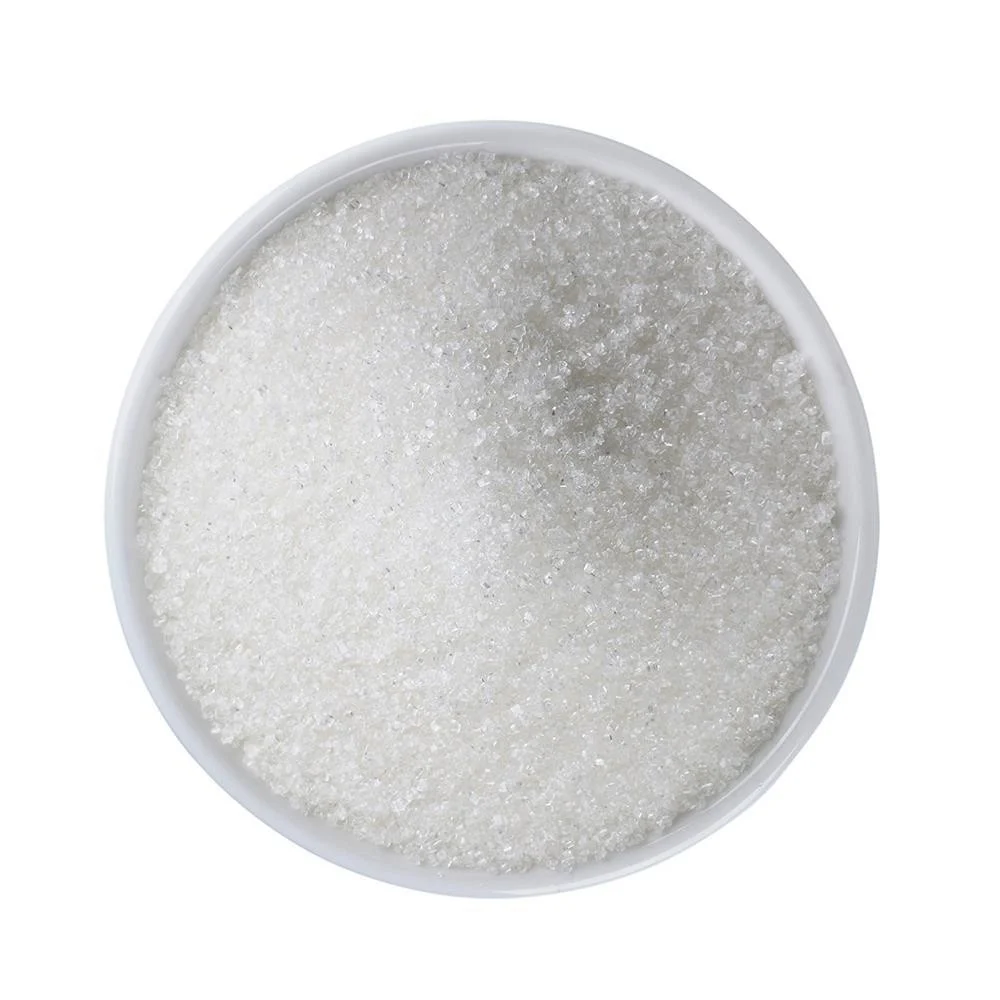
Betaine Anhydrous
Found this useful?