ONGC Mahanadi Deepwater Gas Discovery Under Samudra Manthan
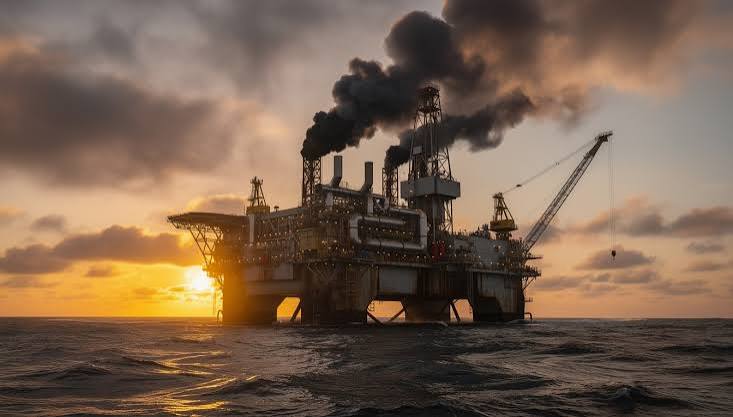
ONGC has reported a new gas discovery in the Mahanadi Offshore Basin off India's Odisha coast, marking an important step in the country's push into deepwater hydrocarbon exploration. The Mahanadi deepwater gas discovery was made under the Samudra Manthan exploration programme at the MN-DW18-1-H-D well.
The discovery was announced after gas was encountered between 1,441 and 1,452 metres. The well reached a target depth of 1,623 metres and recorded encouraging gas flow and reservoir pressure during initial testing.
ONGC's Mahanadi Gas Discovery Explained
The latest find sits in the Mahanadi Offshore Basin, an offshore exploration area along India's eastern coast. ONGC made the discovery on September 18, 2026, at the MN-DW18-1-H-D exploration well.
The well represents the first well ONGC drilled in the Mahanadi Basin under the Samudra Manthan campaign. The company began drilling the well on July 25 using the drillship Platinum Explorer, according to reports published after the discovery.
Initial results provide an encouraging indication of gas-bearing potential. However, the discovery still requires additional appraisal to determine the size of the reservoir, recoverable resources and commercial development potential.
For energy and chemical industry buyers, this distinction matters because a discovery does not immediately translate into additional market supply. Production, processing, transportation and downstream infrastructure must all develop before new gas can materially influence industrial procurement.
Where the Gas Was Found and Why Location Matters
The exploration well lies approximately 43 kilometres from Konark off the Odisha coast. Its relatively close position to shore could become an operational advantage if further studies establish that the discovery can support commercial development.
Offshore gas projects typically require substantial infrastructure before production can reach customers. Pipelines, processing facilities, gathering systems and other supporting assets can determine how efficiently an offshore resource moves from the reservoir into India's industrial gas network.
The Mahanadi area also has an existing exploration history. ONGC has previously reported the Utkal and Konark gas discoveries in the basin, providing additional geological information for ongoing exploration activity.
The presence of several discoveries could also create opportunities to consider shared infrastructure rather than developing every discovery as an isolated project. ONGC has indicated that the latest find and other discoveries in the area could potentially benefit from shared facilities.
What Samudra Manthan Means for Deepwater Exploration
Samudra Manthan forms part of India's broader effort to expand exploration across offshore and deepwater areas. ONGC's Mahanadi drilling programme places the company in a technically challenging part of the upstream oil and gas sector.
Deepwater exploration requires specialised drilling equipment, detailed geological analysis and significant capital investment. Successful discoveries can therefore have implications beyond a single well because they can provide new geological data for evaluating nearby prospects.
The government's wider offshore exploration push has also opened previously restricted areas for oil and gas activity. India's eastern and western offshore basins contain substantial estimated hydrocarbon resources across areas reaching water depths of up to 3,000 metres.
For industrial buyers, increased exploration activity can matter over a longer time horizon. More domestic gas resources could eventually support industries that depend on natural gas as an energy source or chemical feedstock.
Potential Impact on India's Gas and Chemical Industries
Natural gas plays an important role across India's industrial economy. It supports power generation, fertiliser production and several chemical manufacturing chains, while also serving as a fuel for industrial operations.
A commercially viable Mahanadi resource could eventually contribute to India's domestic gas availability. The actual market effect, however, will depend on the quantity of recoverable gas, development timing, infrastructure capacity and the ability to connect production with consuming markets.
Potential areas of relevance include:
Fertiliser manufacturing: Natural gas serves as a major feedstock for ammonia and urea production, making domestic gas availability relevant to fertiliser economics.
Chemical production: Gas-based feedstocks support several industrial chemical chains, directly or indirectly affecting manufacturing costs and procurement planning.
Industrial energy: Gas can provide fuel for industrial boilers, furnaces and other energy-intensive operations where infrastructure supports its use.
Petrochemical development: Additional domestic hydrocarbon resources can strengthen the broader feedstock base available to downstream industries over time.
For chemical traders, the key issue is not simply the existence of the discovery. The commercial value will depend on how successfully the resource moves through appraisal, development and infrastructure stages.
Commercial Evaluation Will Shape the Next Stage
ONGC's initial gas flow provides an important technical signal, but the next phase will focus on understanding the reservoir in greater detail. The company needs to establish the recoverable resource and evaluate whether development can generate sufficient commercial value.
The discovery has been reported as subject to further appraisal and commercial evaluation. This means downstream buyers should treat the find as a potential future supply development rather than an immediate source of additional gas volumes.
Several factors will influence the eventual development decision:
Reservoir size: Further technical work must establish how much gas the reservoir contains and how much can potentially be recovered.
Flow performance: Initial flow and pressure results provide useful information, but additional testing can help clarify long-term production characteristics.
Infrastructure access: The proximity to the Odisha coast may support development planning, particularly if existing or shared infrastructure can accommodate future production.
Project economics: Capital requirements, operating costs and expected production volumes will influence commercial decisions.
Market access: New gas production needs reliable routes to processing facilities and end users before it can contribute to industrial supply.
Shared Infrastructure Could Support Faster Development
One of the potentially important aspects of the Mahanadi discovery is its proximity to other discoveries in the same basin. ONGC has indicated that the latest find could potentially be developed alongside other resources using shared facilities.
This approach can improve the economics of offshore developments by allowing multiple fields or discoveries to use common infrastructure. It can also reduce the need to duplicate certain facilities for individual projects.
The Petroleum and Natural Gas Rules, 2025 could support the use of shared infrastructure for deepwater resources in the region, according to reports on ONGC's announcement.
For procurement teams, infrastructure sharing could eventually become relevant to supply planning. If several offshore resources move toward development through common systems, the resulting production network could provide a more coordinated addition to regional gas supply.
What the Discovery Means for Chemical Procurement
Chemical procurement teams should watch the development of India's domestic gas resources because gas availability can influence the economics of several energy-intensive manufacturing operations.
The effect will not be immediate. Instead, procurement managers can monitor the project through several milestones:
Further reservoir appraisal and resource assessment.
Decisions regarding commercial development.
Progress on offshore and onshore infrastructure.
Potential integration with existing discoveries in the Mahanadi region.
Future announcements concerning production timelines and gas marketing.
These developments can help buyers distinguish between an exploration headline and a future supply opportunity.
For chemical traders, the wider significance lies in the potential relationship between upstream gas availability and downstream demand. Increased domestic production could eventually support industries that consume gas directly or rely on gas-derived feedstocks.
India's Deepwater Exploration Pipeline
The Mahanadi discovery comes as ONGC expands its focus on deepwater and ultra-deepwater exploration. Earlier exploration successes in the basin have already provided evidence of hydrocarbon potential and encouraged additional drilling activity.
India's offshore exploration strategy has increasingly focused on areas that require advanced technology and significant investment. Deepwater projects can take considerable time to move from discovery to production because companies must complete appraisal, engineering, infrastructure planning and commercial evaluation.
For buyers, this creates a longer planning horizon. Any eventual increase in domestic gas availability would need to pass through several development stages before it changes procurement conditions.
The Mahanadi Basin therefore deserves attention not only as a single discovery location but also as part of India's broader offshore exploration programme.
What Buyers Should Watch Next
The immediate priority is additional technical information about the discovery. Procurement professionals should avoid assuming that the initial gas strike represents a defined volume of commercially available supply.
Instead, buyers can track:
Appraisal results, which should clarify the reservoir's size and recoverable resources.
Development decisions, which will indicate whether ONGC intends to move the discovery toward production.
Infrastructure plans, particularly the potential use of shared facilities.
Gas production timelines, which will determine when any new supply could reach industrial consumers.
Downstream implications, especially for fertiliser, chemical and energy-intensive manufacturing.
The discovery provides another data point in India's expanding offshore exploration programme. Its eventual importance to chemical markets will depend on how successfully ONGC converts the exploration result into a commercially viable producing resource.
The Bottom Line for Procurement Teams
ONGC's Mahanadi deepwater gas discovery strengthens the focus on India's offshore hydrocarbon potential and adds another development to the country's expanding exploration landscape. The well encountered gas at 1,441 to 1,452 metres and delivered encouraging initial flow and reservoir pressure, while its location around 43 kilometres from Konark could support future development if appraisal confirms commercial viability.
For chemical buyers, the main opportunity lies further downstream. If the resource progresses successfully through appraisal, development and infrastructure construction, additional domestic gas could eventually support India's fertiliser, chemical and industrial energy value chains.
Ammonia Anhydrous
Found this useful?