Egg protein procurement is entering a period where supply security matters as much as price. Poultry production conditions, feed costs, disease outbreaks and processing capacity can all influence the availability and cost of egg-derived ingredients.
The wider egg protein market continues to expand, with the global market projected at $9.26 billion in 2026. At the same time, recent market conditions have kept egg prices sensitive to production changes, creating challenges for manufacturers that depend on consistent protein inputs.
For food manufacturers, the key issue is not simply whether egg protein prices rise or fall. Procurement teams need to understand the factors behind price movements and build sourcing strategies that protect production schedules, product margins and formulation consistency.
Why Egg Protein Supply Can Tighten Quickly
Egg protein starts with an agricultural supply chain, which makes availability more exposed to biological and environmental events than many synthetic or mineral-based ingredients.
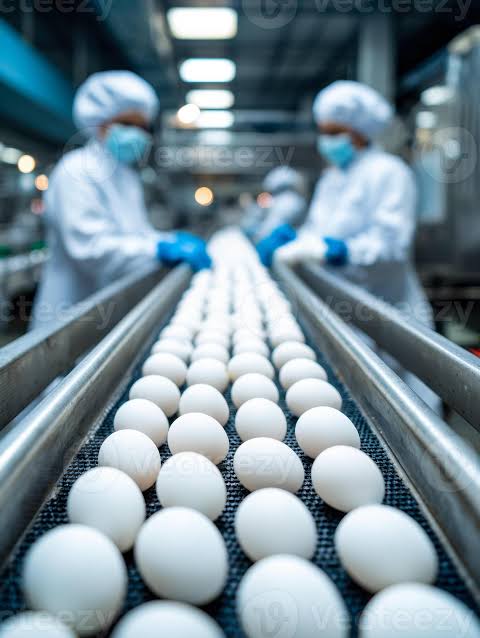
A disruption at the poultry level can eventually affect processors that manufacture dried egg white, yolk and whole egg products. The impact can also vary by region, depending on local production capacity and trade flows.
Avian influenza remains one of the major risks because outbreaks can reduce laying-hen populations and disrupt regional supply. Recent European shortages have already demonstrated how disease-related production pressure can translate into tighter egg availability and higher prices.
For industrial buyers, this means procurement forecasts should monitor poultry conditions rather than relying exclusively on historical egg protein consumption.
Feed Costs Are a Major Price Driver
Poultry producers face another important input risk through feed costs. Corn, soybean meal and other feed ingredients influence the economics of egg production, so changes in agricultural commodity markets can eventually flow into egg and egg protein pricing.
Recent market reporting from India highlights the connection between rising feed ingredient costs and pressure on poultry product prices. Layer production remains dependent on feed availability and cost, making feed markets an important indicator for buyers tracking future egg protein expenses.
Procurement teams should therefore monitor several connected markets rather than watching egg prices in isolation:
Feed grains: Changes in corn and other carbohydrate inputs can affect poultry production costs.
Protein meals: Soybean meal and other protein-rich feed ingredients influence the cost structure of poultry farming.
Energy: Drying and processing operations also require energy, which can affect the cost of powdered egg ingredients.
Freight: International logistics can change the landed cost even when the supplier's product price remains stable.
Egg Powder Offers a Supply Chain Advantage
For manufacturers with suitable formulations, dried egg ingredients can provide advantages over fresh or liquid egg products. Powdered formats generally offer longer storage life and easier transportation, reducing dependence on continuous cold-chain logistics.
The commercial importance of this format is increasing as manufacturers seek greater supply security. Market forecasts put the global egg powder market at approximately $2.3 billion in 2026, with food and beverage applications representing a major share of demand.
Egg powder can also support more predictable inventory planning. Manufacturers can purchase and store approved material ahead of production requirements, giving procurement teams greater flexibility when spot availability becomes tight.
However, longer shelf life does not eliminate the need for proper storage. Buyers still need to establish appropriate warehouse conditions and verify supplier recommendations for handling and shelf-life management.
What Is Driving Egg Protein Prices in 2026?
Egg protein prices can move because of several factors acting at the same time. Poultry flock size, feed costs, disease pressure and processing economics can all influence the price offered to food manufacturers.
Recent U.S. market conditions illustrate this volatility. The USDA raised its 2026 and 2027 egg price projections in its August 2026 market outlook after adjusting for recent price trends.
For procurement teams, the most important price indicators include:
Flock recovery: Expanding laying-hen populations can improve supply and reduce pressure on raw egg costs.
Disease outbreaks: Avian influenza can remove productive capacity and create sudden regional shortages.
Feed economics: Higher feed costs can increase the cost base for egg producers.
Processing capacity: Limited drying or pasteurization capacity can create bottlenecks even when raw egg availability improves.
International freight: Transportation costs can materially change the landed price for imported egg protein.
Currency movements: Exchange-rate changes can affect purchasing costs for importers buying in foreign currencies.
This combination makes short-term price forecasting difficult. Buyers should use scenario planning rather than depend on a single expected price.
Food manufacturers should identify the exact protein format required before approaching suppliers. Whole egg powder, egg white powder and egg yolk powder serve different formulation purposes and should not be treated as interchangeable commodities.
Egg white protein is particularly relevant to applications requiring foaming, binding and protein enrichment. Whole egg powder can provide broader functional properties, while yolk-based ingredients offer different emulsification and nutritional characteristics.
The choice affects both price and supplier availability. A procurement team that specifies only "egg protein" may receive commercially attractive offers for materials that do not meet the formulation's technical requirements.
A detailed RFQ should therefore identify:
Required protein or solids specification.
Egg white, yolk or whole egg format.
Microbiological requirements.
Functional requirements such as foaming or emulsification.
Packaging and shelf-life expectations.
Country of origin requirements.
Required documentation and certificates.
Minimum order quantity and delivery schedule.
This approach allows buyers to compare equivalent materials instead of comparing different products under a broad category.
Supplier Diversification Can Reduce Procurement Risk
Food manufacturers that rely on one supplier or one geographic source can face significant disruption when production conditions change. A diversified supplier base gives procurement teams more options when availability tightens.
Supplier qualification should go beyond commercial quotations. Buyers should examine production capability, food safety systems, documentation, export history and the supplier's ability to maintain consistent specifications.
Geographic diversification can also provide protection. Egg production conditions do not change uniformly across all markets, so alternative origins may become valuable when a particular region experiences disease outbreaks or logistical constraints.
International shipment data also shows active trade in powdered egg products, with multiple suppliers serving import markets such as Pakistan.
For manufacturers with significant annual consumption, maintaining at least one approved backup source can provide an important layer of protection.
Local Processing Capacity Is Expanding
The supply landscape is also changing as companies invest in additional egg processing and powder production capacity.
In Pakistan, new investments illustrate this trend. Wahdat Poultry has announced plans for an egg powder processing plant alongside additional grain storage capacity, while Barkat Frisian Agro has reported progress toward dried egg powder production.
Greater local processing capacity can shorten supply routes for regional buyers and reduce dependence on imported dried ingredients. It can also create additional competition among suppliers, potentially improving procurement flexibility.
For traders and importers, these developments make supplier mapping increasingly important. Buyers should periodically reassess domestic and international sources instead of assuming that established supply routes will remain the most competitive.
Animal-Free Egg Proteins Add a New Procurement Option
A newer development could also affect long-term egg protein sourcing. Precision fermentation is creating animal-free egg white proteins that can replicate selected functional properties without relying directly on laying-hen production.
Commercial activity in this segment is accelerating. The Every Company reported a 550% increase in annual orders for its OvoPro product during the first four months of 2026 compared with the entire 2025 volume.
This does not immediately replace conventional egg protein for most food manufacturers. However, procurement teams should monitor the category because alternative production platforms could eventually provide another supply option for applications where functionality, animal-free positioning or supply security justify the additional cost.
How Procurement Teams Should Manage Price Volatility
The best response to volatile egg protein pricing is not necessarily to buy the largest possible volume. Excess inventory can create working capital pressure and may introduce quality or shelf-life concerns.
Instead, procurement teams should connect purchasing decisions to production forecasts and supplier lead times.
A practical strategy can include:
Use rolling demand forecasts: Update expected consumption as product sales and production schedules change.
Set safety-stock levels: Maintain additional inventory when lead times or supply risks increase.
Prequalify alternatives: Approve more than one supplier before a shortage occurs.
Negotiate volume arrangements: Where consumption is predictable, longer-term agreements can improve supply visibility.
Track raw material indicators: Monitor poultry, feed and freight conditions alongside supplier quotations.
Review landed cost: Compare the complete delivered cost rather than focusing only on the supplier's unit price.
These measures give buyers more control when market conditions change rapidly.
Egg Protein Outlook for 2027 and Beyond
The medium-term outlook points toward continued growth in egg protein demand alongside ongoing supply-side risks. The broader egg protein market is forecast to expand steadily through the next decade, while egg powder demand is also expected to grow strongly.
Food manufacturers will likely continue valuing dried formats because they support longer storage and easier transportation. At the same time, conventional egg protein will remain exposed to poultry production cycles and biological risks.
Procurement strategies may therefore become more diversified. Traditional egg suppliers, regional processing plants, international traders and emerging animal-free protein producers could all become part of a broader sourcing landscape.
What Food Manufacturers Should Do Now
Egg protein procurement requires closer coordination between purchasing, quality, formulation and production teams. Buyers should establish technical specifications early and qualify suppliers before a market shortage forces rushed purchasing.
The immediate priorities are clear:
Build supply visibility. Track poultry production, feed costs, disease developments and processing capacity.
Strengthen supplier coverage. Maintain qualified alternatives across multiple suppliers or regions where practical.
Plan inventory intelligently. Use safety stock to protect production without creating unnecessary working capital exposure.
Compare complete costs. Include freight, duties, storage and financing when evaluating imported egg protein offers.
Watch emerging alternatives. Precision-fermented egg proteins could become a useful additional sourcing option as commercial capacity develops.
For food manufacturers, the objective is not simply to find the cheapest egg protein available today. It is to secure consistent material at a competitive landed cost while maintaining enough flexibility to respond when agricultural and supply-chain conditions change.