BASF Opens a New Düsseldorf Plant for Specialty Skincare Emollients
BASF has officially inaugurated a new production facility in Düsseldorf, Germany dedicated exclusively to specialty emollients used in skincare and sun-protection formulations. This capital investment demonstrates continued commitment to personal care ingredient manufacturing despite margin compression across broader chemicals segments. The plant reinforces Germany’s strategic role as a hub for BASF’s consumer-facing specialty chemistry operations.
Procurement managers in the beauty and personal care sector should view this expansion as a positive supply signal for high-performance formulation ingredients. Dedicated capacity reduces allocation risks during peak demand periods for premium skincare products. European-based production also shortens lead times for regional formulators compared to Asian or North American sourcing. Understanding the facility’s capabilities helps buyers align new product development timelines with available ingredient supply.
Strategic Focus on High-Value Personal Care Ingredients
BASF prioritizes specialty emollients because they command significantly higher margins than commodity surfactants or solvents. These functional ingredients differentiate finished products through sensory attributes and performance claims that consumers willingly pay premiums for. Sun protection formulations particularly depend on specialized emollients to achieve desired spreadability without compromising UV filter efficacy. Technical complexity creates barriers to entry that protect profitability against low-cost competitors.
The Düsseldorf investment signals confidence in sustained growth for premium skincare categories despite macroeconomic headwinds. Consumers continue trading up toward science-backed formulations with proven benefits rather than cutting spending entirely. Brand owners reformulate continuously to meet evolving regulatory standards and sustainability expectations. Suppliers offering innovative molecules with documented performance data capture disproportionate share of R&D budgets. This dynamic favors integrated producers with application laboratories supporting customer innovation cycles.
Production Capabilities and Formulation Support
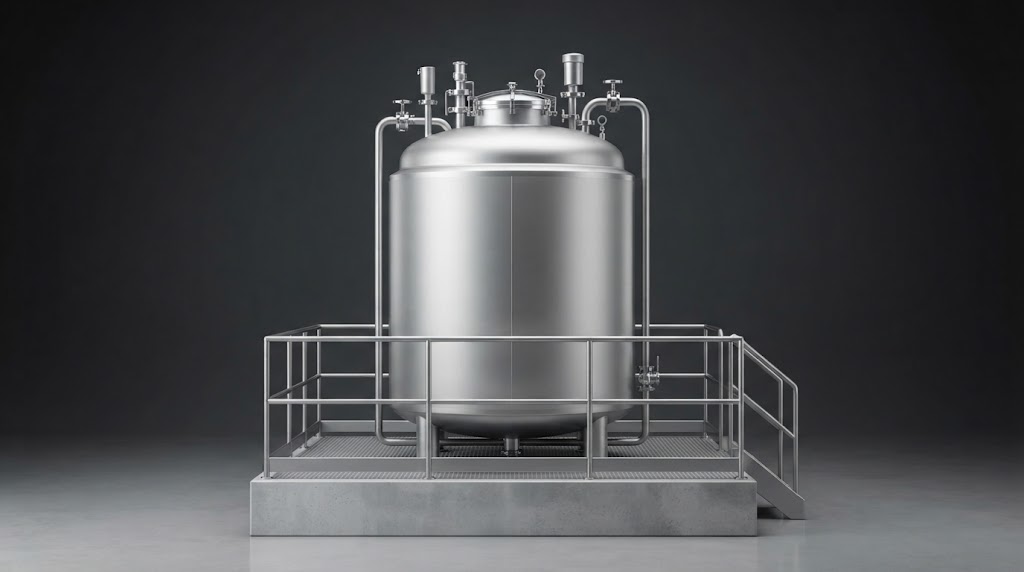
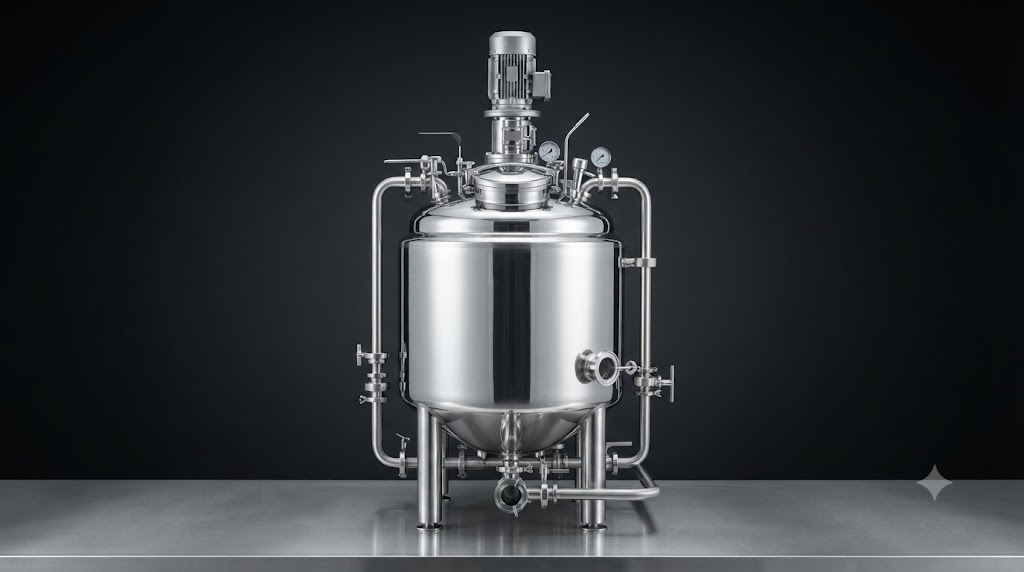
The new facility incorporates flexible batch processing equipment designed for small-volume, high-complexity production runs. Specialty emollients often require precise reaction control and post-synthesis modification to achieve target specifications. Multi-purpose reactors enable rapid changeovers between different product grades without extensive cleaning validation delays. Such operational agility supports customized solutions for niche applications where standard catalog items fall short.
Application development resources co-located at Düsseldorf provide formulators with direct access to technical expertise. Collaborative prototyping accelerates time-to-market for new product launches requiring novel texture profiles or stability improvements. Regulatory support teams assist with global compliance documentation and safety assessment requirements. Buyers benefit from integrated service models that extend beyond transactional ingredient supply. Early engagement with technical staff unlocks value that pure price negotiations cannot replicate.
European Supply Security and Regional Sourcing Advantages
Domestic European production mitigates geopolitical and logistical vulnerabilities associated with long-distance supply chains. Recent years have exposed fragility in global ingredient flows due to port congestion, energy crises and trade restrictions. Regional manufacturing ensures continuity when international disruptions occur unexpectedly. Formulators increasingly prioritize supply resilience alongside cost optimization in vendor selection criteria. Local production satisfies both commercial and risk management objectives simultaneously.
Regulatory alignment represents another advantage of EU-based sourcing for European personal care brands. REACH compliance and Cosmetic Regulation adherence are built into domestic production processes rather than retrofitted for export markets. Documentation packages arrive complete and audit-ready without translation or interpretation gaps. Speed-to-shelf improves when regulatory reviews proceed smoothly without clarification requests. Procurement teams reduce administrative burden by selecting suppliers operating within familiar legal frameworks.

Margin Pressures Driving Portfolio Optimization
BASF faces significant profitability challenges in basic chemicals and agricultural solutions segments due to overcapacity and weak demand. Capital allocation increasingly favors businesses demonstrating resilient earnings through economic cycles. Personal care ingredients benefit from structural growth drivers less correlated with industrial production indices. Divestment of underperforming assets funds reinvestment in higher-return specialty platforms like the Düsseldorf emollient plant.
This portfolio reshaping reflects broader industry trends among diversified chemical conglomerates. Companies systematically exit commoditized positions while doubling down on differentiated technologies serving consumer end markets. Suppliers concentrating resources on core competencies deliver superior innovation and service levels. Buyers gain partners with deeper domain expertise rather than generalists spreading attention thinly across unrelated businesses. Strategic focus translates directly into better technical support and more reliable supply commitments.
Sustainability Integration in Specialty Manufacturing
Modern personal care ingredient production must satisfy escalating environmental expectations from brand owners and regulators alike. The Düsseldorf facility incorporates energy-efficient process designs and waste minimization technologies aligned with green chemistry principles. Renewable feedstock options and biodegradable molecular structures feature prominently in new product pipelines. Sustainability credentials have evolved from marketing differentiators to baseline qualification requirements for major brand partnerships.
Carbon footprint transparency enables formulators to make informed sourcing decisions aligned with corporate climate targets. Life cycle assessment data supports environmental claims substantiation required under emerging anti-greenwashing regulations. Suppliers investing in verified sustainability metrics gain preferential access to premium customer accounts. Procurement teams increasingly weight environmental performance equally with traditional quality and cost factors. Integrated sustainability reporting simplifies vendor scorecard evaluations and audit preparation efforts.
What Personal Care Procurement Teams Should Do Now
Review current emollient supplier bases against BASF’s expanded Düsseldorf capabilities and product portfolio. Identify opportunities to consolidate spend with technically capable partners offering comprehensive service models. Initiate sampling and qualification trials for new specialty grades relevant to upcoming formulation projects. Early adoption secures allocation priority during initial production ramp phases.
Engage technical teams to explore collaborative development opportunities beyond standard catalog offerings. Leverage application laboratory resources to solve persistent formulation challenges or accelerate innovation timelines. Request updated sustainability documentation and carbon footprint data for existing and prospective ingredients. Align procurement strategies with both commercial objectives and ESG commitments to maximize long-term value creation. Proactive partnership building positions organizations as preferred customers during capacity-constrained periods.
Ready to source hexamethylene diisocyanate from verified global suppliers? Explore competitive offers on our platform today.

Refined Glycerine 99.5% Min
Found this useful?