Active Pharmaceutical Ingredient Supply Chain Awakening: Healthcare's Chemical Dependency Exposed
The pharmaceutical industry relies heavily on complex global chemical supply chains. The 2026 Hormuz crisis exposed severe vulnerabilities within the active pharmaceutical ingredient supply chain. Multiple API precursors and key starting materials faced immediate disruption during the 135-day logistical paralysis.
Finished pharmaceutical stockpiles prevented an immediate patient impact. However, the crisis revealed an alarming concentration of risk. For 14 essential medicine APIs, over 60 percent of global key starting material production transits the Strait of Hormuz.
Procurement managers and healthcare supply chain executives must now confront this reality. Relying solely on Tier 1 suppliers is no longer a viable risk management strategy. Companies must map their chemical dependency down to the foundational feedstock level.
This strategic awakening demands immediate action to secure the continuity of global healthcare manufacturing. Ignoring these lower-tier vulnerabilities invites catastrophic supply failures in future geopolitical events.
Critical Exposures in API Precursors and Key Starting Materials
The disruption specifically targeted the foundational building blocks of modern medicine. Acetaminophen intermediates produced at Gulf petrochemical facilities faced severe bottlenecks. This single geographic chokepoint affected approximately 22 percent of global acetaminophen production capacity.
Antibiotic intermediate chemicals also experienced significant supply constraints. Beta-lactam antibiotics rely heavily on specific precursor molecules routed through this maritime corridor. The sudden unavailability of these intermediates threatened global antibiotic manufacturing schedules.
Excipient chemicals faced similar logistical hurdles. Essential formulation agents like polyethylene glycol and polysorbates encountered massive shipping delays. These disruptions threatened the stability of finished dosage forms across multiple therapeutic categories.
The physical unavailability of these specific molecules cannot be solved by simple substitution. Pharmaceutical manufacturing requires strict adherence to registered chemical specifications.
Regulatory Response and the Push for Transparency
Healthcare regulators responded swiftly to these systemic vulnerabilities. The FDA issued Q2 2026 guidance requiring pharmaceutical manufacturers to disclose chemical supply chain geographic concentration for critical medicines.
This mandate forces companies to look beyond their immediate vendors. Regulators now demand visibility into the origin of foundational chemical inputs. Failure to provide this data will result in severe compliance penalties.
The EMA simultaneously initiated a comprehensive chemical resilience assessment. This review covers over 200 essential medicine APIs to identify single points of failure.
These regulatory actions signal a permanent shift in compliance expectations. Pharmaceutical companies must now prove their supply chain resilience with hard data. Vague assurances of supplier reliability are no longer acceptable to auditing bodies.
The Illusion of Tier 1 Supply Chain Security
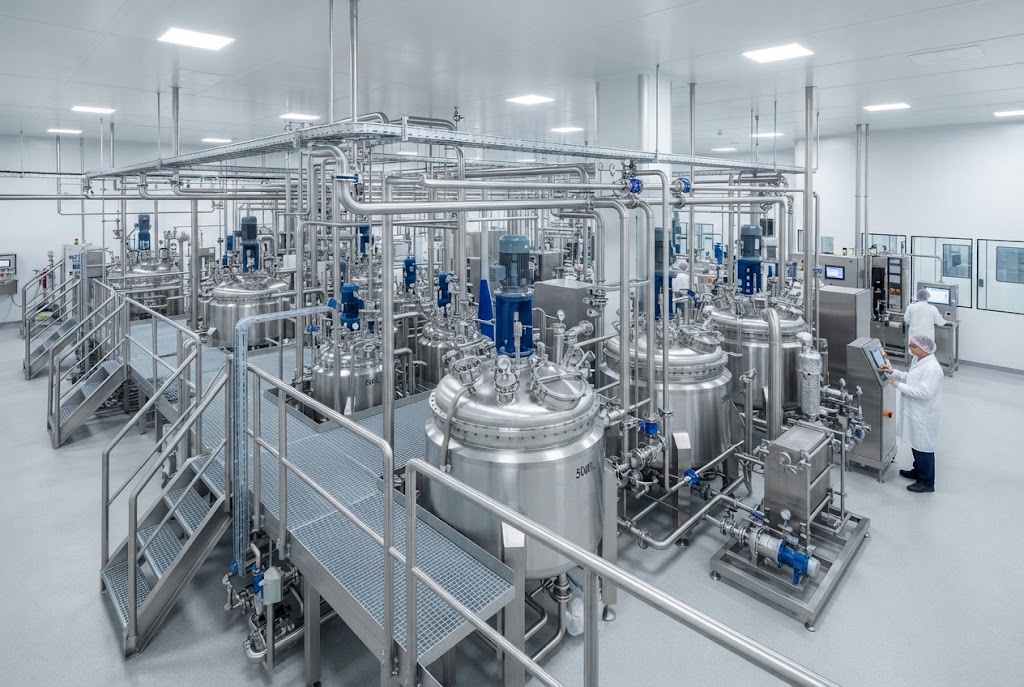
Most pharmaceutical companies historically viewed their Tier 1 API manufacturers as secure partners. The crisis shattered this illusion of safety.
Tier 1 suppliers often source their own key starting materials from concentrated geographic regions. A disruption at the Tier 2 or Tier 3 level instantly cascades upward.
Procurement teams discovered they had no visibility into these lower-tier dependencies. They could not assess the risk of a Gulf shipping disruption because they did not know their API suppliers relied on Gulf intermediates.
This lack of transparency left the entire healthcare manufacturing sector exposed. Building true resilience requires mapping the supply chain to its chemical roots. Companies must demand full traceability from their primary manufacturing partners.
Strategic Imperative for 2026 and 2027 Mapping Exercises
Pharmaceutical supply chain executives must prioritize comprehensive dependency mapping immediately. The 2026 to 2027 strategic imperative focuses on tracing chemical inputs beyond Tier 1 suppliers.
Companies must identify all Tier 2 and Tier 3 chemical intermediate and feedstock suppliers. This mapping exercise was largely ignored prior to the crisis.
Conduct detailed audits of all critical API manufacturing partners. Request full bill of materials detailing the geographic origin of key starting materials.
Develop alternative sourcing pathways for high-risk chemical intermediates. Qualify suppliers in regions with independent maritime access to diversify risk.
Integrate chemical supply chain data into enterprise risk management platforms. Real-time visibility allows for proactive mitigation before disruptions reach the API manufacturing stage.
These proactive steps transform supply chain management from a reactive function to a strategic advantage. Organizations that master this mapping will navigate future crises with confidence.
Financial and Operational Impacts of Chemical Shortages
The financial implications of API precursor shortages are severe. Pharmaceutical manufacturers face massive cost increases when forced to source emergency chemical intermediates on the spot market.
Production delays at the API level cascade into finished goods shortages. These shortages trigger contractual penalties and damage relationships with healthcare providers.
Investing in supply chain mapping and redundancy is no longer an optional compliance exercise. It is a critical financial safeguard against future geopolitical disruptions.
Companies that proactively secure their chemical feedstock pipelines will maintain a distinct competitive advantage. They will ensure uninterrupted medicine production while competitors face regulatory scrutiny and stockouts.
The Bottom Line for Pharmaceutical Procurement Teams
The active pharmaceutical ingredient supply chain awakening is a permanent shift in healthcare manufacturing. The 2026 Hormuz crisis proved that chemical dependency extends far beyond immediate suppliers.
Procurement leaders must champion deep-tier supply chain mapping initiatives. Securing the foundational chemical inputs is the only way to guarantee the continuity of essential medicines.
Ready to source Glycine from verified global suppliers? Explore competitive offers on our platform today.
Sources
https://www.fda.gov/news-events/press-announcements/2026/api-supply-chain-geographic-concentration-guidance
https://www.ema.europa.eu/en/news/2026/chemical-resilience-assessment-essential-medicines
https://www.pharmaceutical-technology.com/features/2026/hormuz-crisis-api-precursor-disruption
https://www.supplychaindive.com/news/2026/pharmaceutical-tier-3-chemical-mapping-imperative
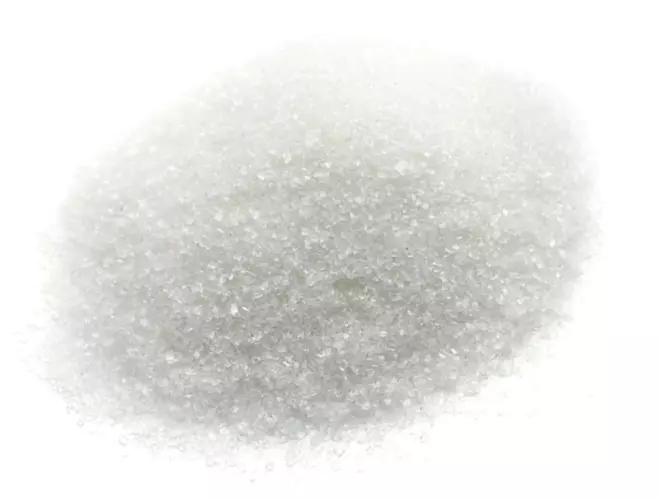
Glycine (E640)
Found this useful?