The Production Geography Shift: How Hormuz Changed 2027-2030 Chemical Investment Location Decisions
The 2026 Hormuz crisis is driving a measurable shift in chemical industry capital investment geographic preferences. This transformation is clearly visible in recent final investment decision announcements across the global sector.
Pre-crisis trends from 2023 to 2025 saw approximately 42 percent of petrochemical capacity FIDs located in the Middle East and Gulf region. Companies leveraged low feedstock costs to maximize operational margins.
The post-crisis landscape tells a completely different story. Capital is actively migrating to alternative geographic hubs to ensure long-term supply chain security.
The Sharp Decline in Gulf Region Final Investment Decisions
Gulf region share of FIDs declined to just 23 percent during the second and third quarters of 2026. Capital is actively migrating to alternative geographic hubs.
The U.S. Gulf Coast captured an additional 18 percent share of new project announcements. Southeast Asia and India gained 9 percent and 7 percent shares respectively.
This redistribution marks a definitive end to the previous decade of centralized Middle Eastern expansion. Investors are fundamentally rewriting their location criteria.
Geopolitical Risk Discounts Altering Return Calculations
Corporate finance teams now incorporate a strict geopolitical risk discount into their financial models. Analysts typically add 150 to 300 basis points to the required internal rate of return for Gulf investments.
This adjustment directly reflects the severe operational disruptions experienced during the 135-day logistical paralysis. Projects that previously cleared hurdle rates now fail basic financial viability tests.
Investors demand higher premiums to compensate for maritime chokepoint vulnerabilities. This mathematical reality is redirecting billions in planned capital expenditure.
Customer Diversification Driving Procurement Mandates
Major chemical buyers are explicitly requesting non-Gulf supply alternatives during contract negotiations. Downstream manufacturers can no longer tolerate the revenue risk associated with single-region dependency.
Procurement teams actively penalize suppliers who lack geographic redundancy in their production networks. This buyer behavior directly influences where chemical producers choose to build new capacity.
Market share retention now requires a distributed global footprint. Suppliers must prove they can deliver regardless of regional geopolitical tensions.
Escalating Insurance and Project Financing Costs
Project finance for Gulf chemical investments currently faces 75 to 125 basis points higher debt pricing. Maritime insurers have permanently reassessed their risk appetite for the region.
Lenders pass these elevated insurance premiums directly to borrowers through stricter loan covenants. The cost of capital for Middle Eastern projects has structurally increased.
This financial friction accelerates the migration of capital to more stable jurisdictions. Cheaper debt in alternative regions now offsets the historical feedstock advantage of the Gulf.
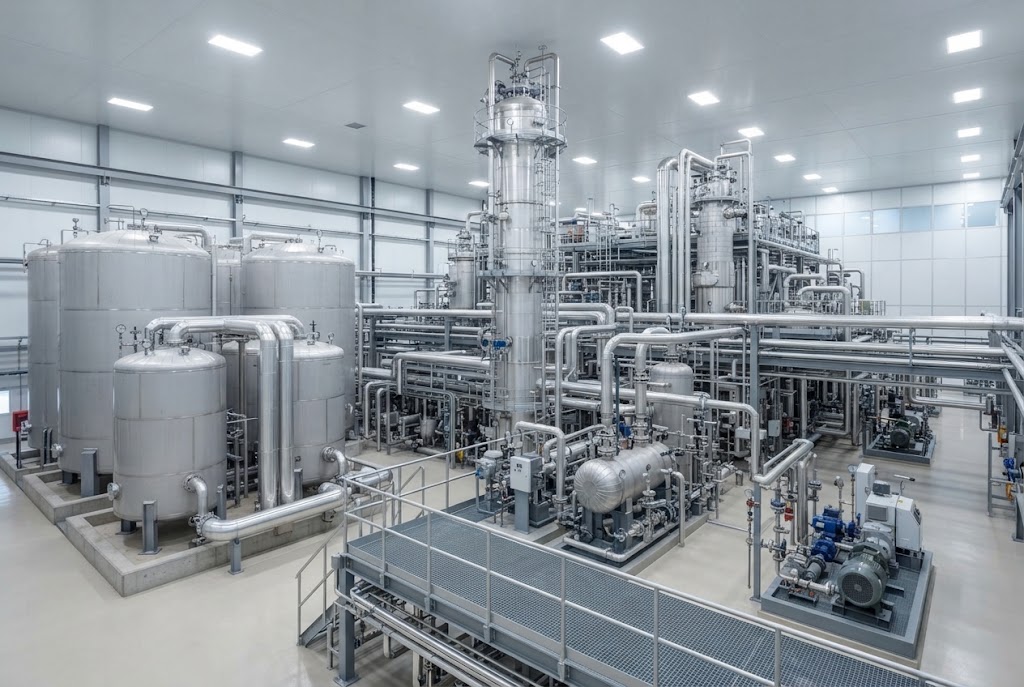
The Rise of the U.S. Gulf Coast and Asian Hubs
The U.S. Gulf Coast benefits from abundant domestic ethane and established maritime infrastructure. Southeast Asia and India offer massive domestic demand growth and strategic distance from Middle Eastern shipping lanes.
These regions provide the operational resilience that modern chemical buyers demand. Producers are willing to accept slightly higher feedstock costs in exchange for supply chain security.
This trade-off defines the new era of chemical manufacturing. Geographic stability now outweighs marginal production cost savings in executive boardrooms.
The End of the Middle East Advantaged Investment Cycle
The 2015 to 2025 Middle East advantaged investment cycle has officially concluded. The industry is transitioning toward distributed global footprint optimization.
This fundamental shift values operational resilience alongside traditional feedstock cost advantages. Industry veterans compare this transition to the 1990s Asia investment wave or the 2010s U.S. shale advantage period.
Capital will flow to regions that guarantee uninterrupted delivery to global markets. The era of relying on a single maritime corridor for global chemical supply is over.
Strategic Implications for Chemical Industry Investors
Asset managers must reevaluate their chemical sector portfolios immediately. Companies with heavy concentration in Gulf production face structural valuation headwinds.
Conversely firms with diversified manufacturing footprints will command premium market multiples. Investors should prioritize management teams that actively execute geographic diversification strategies.
Resilience is now a primary driver of long-term shareholder value. Market analysts will increasingly scrutinize supply chain maps during earnings calls.
The Bottom Line for Chemical Strategists
Chemical industry leaders must align their 2027 to 2030 capital allocation plans with this new geographic reality. Relying on historical feedstock cost advantages is no longer a viable standalone strategy.
Building resilient supply chains requires deliberate investment in alternative production regions. The market has permanently priced in the cost of geopolitical risk.
Proactive geographic diversification is the only path to sustainable growth. Ready to source Styrene Monomer from verified global suppliers? Explore competitive offers on our platform today.
Sources
https://www.spglobal.com/commodityinsights/2026/petrochemical-fid-geographic-shift-analysis
https://www.reuters.com/business/energy/2026/chemical-investment-risk-premium-gulf-projects
https://www.chemicalweek.com/business/2026/distributed-global-footprint-optimization
https://www.mckinsey.com/industries/chemicals/our-insights/2026/geopolitical-risk-discount-capital-allocation
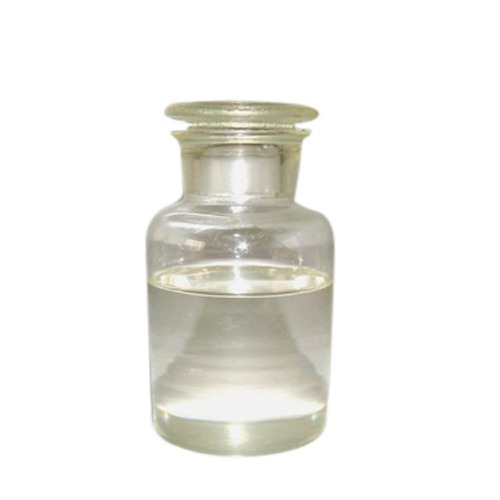
Styrene Monomer
Found this useful?