The Great Ethylene Rebalancing: How Crisis Reshaped Global Olefins Trade Flows
Global ethylene markets experienced a fundamental trade flow restructuring during the 2026 Hormuz crisis. These changes remain permanent. Pre-crisis models positioned the Middle East as the dominant supplier of approximately 18 percent of globally traded ethylene derivatives. Asia functioned as a net importer while the United States acted as a swing exporter. The 135-day logistical paralysis shattered this established equilibrium. Procurement managers and chemical traders must now navigate a completely reconfigured global supply landscape. The market has permanently shifted toward new regional power centers. Buyers relying on historical Middle Eastern supply dominance will face severe operational disruptions. Companies must adapt their sourcing strategies to reflect this new reality. The era of predictable Gulf dominance is over.
U.S. Ethylene Derivative Export Surge
The United States rapidly capitalized on the sudden Gulf supply vacuum. U.S. ethylene derivative exports increased by 2.8 million tonnes on an annualized basis during the March to July 2026 period. This massive volume shift filled the critical gap left by disrupted Middle Eastern shipments.
American producers leveraged their abundant domestic ethane feedstock to maximize output. This operational agility transformed the U.S. from a swing exporter into a primary global supplier. The surge in exports established new long-term trade relationships that will persist well beyond the crisis.
Buyers in Asia and Europe actively sought these reliable American volumes. The consistency of U.S. Gulf Coast production provided a much-needed anchor during extreme market volatility. This reliability justified the freight premiums associated with transatlantic and transpacific shipping routes.
Asian Cracker Operating Rates and Capacity Expansion
Asian manufacturers responded to the supply shock by aggressively maximizing their existing infrastructure. Regional crackers increased their operating rates to 91 percent. This represents a significant jump from the typical 83 to 85 percent baseline.
The crisis also accelerated critical capital investment decisions. Three new Chinese crackers advanced their construction timelines to secure domestic supply independence. These facilities will add permanent capacity to the regional market.
This dual approach of maximizing current assets and expanding future capacity ensures Asia remains a formidable player. The region is systematically reducing its reliance on imported Middle Eastern derivatives. Localized production now serves as a primary defense against future maritime disruptions.
European Cracker Economic Advantage
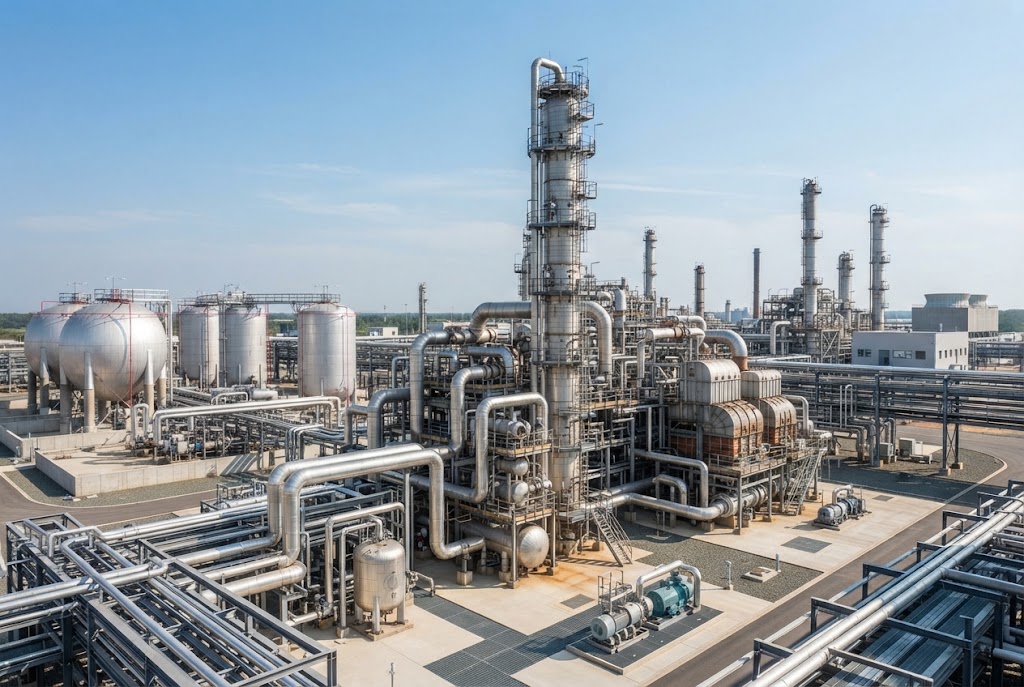
European producers historically operated on the margin of profitability. The disruption fundamentally altered this dynamic. Higher global prices and tighter supply made European cracker operations economically advantaged.
Facilities that previously idled during periods of low demand maintained continuous production. This sustained output helped stabilize regional polymer markets. European buyers benefited from shorter transit times and reduced logistical friction.
The crisis proved that localized production offers immense strategic value during global disruptions. European chemical manufacturers are now prioritizing operational continuity over marginal cost savings. This strategic shift will keep European operating rates elevated for the foreseeable future.
Permanent Decline in Gulf Market Share
The reconfiguration persists as of September 2026 despite the physical reopening of Gulf shipping lanes. U.S. export commitments now extend firmly through 2027. Asian producers maintain their elevated operating rates.
Global ethylene markets have shifted to a structurally lower Gulf market share. Projections indicate this share will decline from 18 percent to approximately 14 to 15 percent through 2028.
This permanent reduction creates lasting margin improvements for U.S. and Asian producers. The global supply and demand balance remains permanently tighter due to this reduced swing capacity. Middle Eastern producers must now compete aggressively to regain lost market share.
The Role of Derivative Substitution in Market Adjustment
The crisis also forced downstream manufacturers to evaluate derivative substitution. Polyethylene and ethylene glycol buyers explored alternative polymer grades to maintain production. This flexibility provided a temporary buffer against severe volume shortages.
However, technical validation requirements limited the scope of these substitutions. Many specialized applications require strict adherence to specific resin properties. Buyers could not simply swap grades without extensive requalification processes.
This reality reinforced the need for reliable primary supply chains. Substitution serves as a short-term tactic rather than a long-term strategy. Procurement teams must secure primary volumes to avoid costly reformulation efforts.
Strategic Sourcing Adjustments for Chemical Buyers
Procurement teams must fundamentally redesign their olefin sourcing strategies. Relying on a single geographic region for critical polymer feedstocks is an unacceptable operational risk. Buyers must actively develop alternative sourcing relationships with verified global suppliers.
Establish long-term offtake agreements with non-Gulf dependent producers. This strategy guarantees volume allocation during future regional geopolitical crises.
Invest in dual-sourcing strategies for all critical ethylene derivatives. Maintaining two qualified suppliers prevents total operational paralysis during logistical disruptions.
Negotiate explicit emergency supply guarantees within standard procurement contracts. These clauses ensure priority allocation when global tonnage becomes severely constrained.
Financial Implications of the New Trade Reality
The financial impact of this trade flow shift extends far beyond immediate procurement costs. Manufacturers face massive cost increases when forced to source emergency intermediates on the spot market.
Production delays at the derivative level cascade into finished goods shortages. These shortages trigger contractual penalties and damage relationships with major retail distributors.
Investing in supply chain mapping and redundancy is no longer an optional compliance exercise. It is a critical financial safeguard against future geopolitical disruptions. Companies must budget for higher baseline freight and sourcing costs.
What Buyers Should Do Now
Chemical traders and importers must accept that the era of predictable Gulf ethylene dominance is over. The 2026 crisis permanently altered the competitive landscape for global polymer producers.
Procurement professionals need to rebuild their landed cost models using this new reality. Communicate this permanent cost shift to downstream customers immediately to prevent margin erosion.
Transparent pricing updates maintain healthy commercial relationships in a tight market. Proactive adaptation ensures your supply chain remains resilient and financially viable in the post-crisis environment.
Ready to source Polyethylene Terephthalate (PET) from verified global suppliers? Explore competitive offers on our platform today.
Sources
https://www.icis.com/explore/resources/news/2026/global-ethylene-trade-flow-restructuring
https://www.reuters.com/business/energy/2026/us-ethylene-derivative-export-surge
https://www.chemicalweek.com/business/2026/asian-cracker-capacity-expansion-acceleration
https://www.spglobal.com/commodityinsights/2026/european-cracker-economic-advantage-analysis
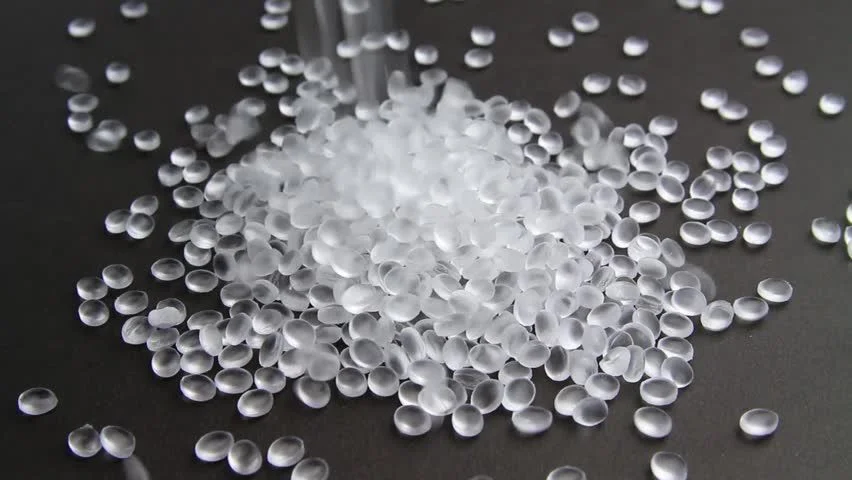
Polyethylene Terephthalate (PET)
Found this useful?