Polyethylene Substitution Patterns: Customer Behavior During 2026 Shortages
The polyethylene shortage during April to June 2026 created unprecedented pressure for polymer substitution across global markets. This supply shock revealed actual polymer interchangeability versus theoretical assumptions. Procurement managers and chemical traders now possess concrete data on how customers behave when specific resin grades vanish.
The crisis demonstrated that approximately 30 to 35 percent of polyethylene demand possesses substitution flexibility within 60-day timeframes. Conversely 65 to 70 percent of demand remains strictly specification-locked. This divergence fundamentally alters commercial strategies for producers and buyers alike.
Companies must now segment their portfolios based on this proven flexibility. Ignoring this reality invites severe pricing miscalculations and lost market share. The era of assuming universal resin interchangeability is officially over.
Observed Polyethylene Substitution Successes During Shortages
The crisis forced rapid operational pivots in several key application segments. Manufacturers successfully substituted HDPE to LLDPE in certain film applications. This specific shift accounted for approximately 340,000 tonnes of regional substitution.
Injection molding customers also demonstrated remarkable adaptability. Buyers accepted wider specification ranges to keep production lines running. Furthermore the shortage accelerated the acceptance of virgin to recycled PE transitions.
Applications that previously mandated virgin-only resins quickly adapted to recycled content. These successful pivots highlight the latent flexibility within specific polymer markets. Buyers prioritized operational continuity over strict material adherence.
Failed Substitution Attempts in Regulated and Infrastructure Sectors
Not all polymer applications allowed for rapid material swapping. Food contact applications faced immediate regulatory barriers. Authorities prevented substitution despite physical material availability.
Medical device polymers encountered similar rigid certification requirements. The validation timeline for these materials spans years rather than weeks. Infrastructure applications also proved entirely inflexible.
Specification-locked uses like PE pipe require strict adherence to pressure and durability standards. Attempting to substitute grades in these sectors introduces unacceptable safety risks. Procurement teams discovered that regulatory constraints completely override supply availability.
The 60-Day Flexibility Threshold in Polymer Markets
Operational data establishes a clear temporal boundary for polyethylene substitution. Flexible applications proved substitutable within a strict 60-day window. This timeframe allows for sample testing and minor formulation adjustments.
Products requiring extensive regulatory approval fall entirely outside this window. The 135-day crisis duration was insufficient for highly regulated industries to validate new sources. This reality highlights a fundamental mismatch between procurement agility and scientific validation.
Buyers must accept that some polymer inputs cannot swap on short notice. Supply chain resilience requires acknowledging these hard technical limits.
Strategic Implications of Flexibility-Based Segmentation
Polyethylene producers and customers must adopt a bifurcated commercial strategy. The substitutable 30 to 35 percent segment will experience a structural price ceiling. Customer switching inherently limits supplier pricing power in this category.
Buyers will aggressively seek lower-cost alternatives when premiums emerge. Conversely specification-locked applications can sustain significantly higher pricing. These segments deserve dedicated relationship investment and premium service levels.
Producers must allocate capital and technical support accordingly. This flexibility-based segmentation provides a clear roadmap for 2027 commercial planning.
Pricing Power Dynamics in Specification-Locked Applications
The crisis provided objective evidence of structural pricing power. Products with genuine technical barriers to substitution maintained their value. Suppliers of medical-grade and infrastructure polyethylene sustained premium pricing.
Buyers accepted these costs to ensure uninterrupted manufacturing and safety compliance. The risk of production failure far outweighs the benefit of cheaper alternatives. This dynamic shifts the competitive advantage from lowest price to highest reliability.
Formulators who maintained consistent supply captured immense market loyalty. They secured long-term contracts that protected future revenue streams.
The Collapse of Commodity Pricing in Flexible Segments
Flexible polyethylene segments experienced rapid margin compression once supply normalized. Industrial film grades achieved temporary premium pricing during peak shortages. However they quickly reverted to standard commodity pricing by late summer.
Buyers aggressively negotiated lower rates once alternative supply routes stabilized. Products differentiated primarily by convenience offer no long-term pricing protection. Once supply chains normalize buyers immediately revert to cost-driven procurement strategies.
This reality forces suppliers to honestly assess their value proposition. Marketing claims of specialty status mean nothing without underlying technical moats.
Financial Modeling for Bifurcated Portfolios
Financial modeling must also adapt to this bifurcated portfolio reality. Holding strategic buffer stock for specification-locked chemicals ties up working capital. However this cost pales in comparison to the revenue loss of a production halt.
Finance departments must approve these inventory investments as essential risk mitigation. Conversely buyers can aggressively negotiate pricing for substitutable chemicals. The market rewards organizations that allocate capital based on actual substitution risk.
This targeted financial approach maximizes return on investment while minimizing operational vulnerability. Supply chain leaders must champion this data-driven capital allocation strategy. Procurement teams should run sensitivity analyses assuming the flexible segment faces permanent price ceilings.
What Buyers Should Do Now
Procurement professionals must immediately audit their current polyethylene portfolios. Teams need to classify every resin grade based on its proven substitution timeline. High-risk materials require dedicated supplier development programs.
Companies should fund joint qualification projects with alternative geographic suppliers now. This proactive investment eliminates future bottlenecks during supply shocks. Contractual frameworks must also evolve to reflect these new realities.
Buyers should negotiate explicit emergency allocation clauses for specification-locked chemicals. These agreements guarantee priority access when global tonnage becomes severely constrained. The market has permanently separated true specialty polymers from commodity variants.
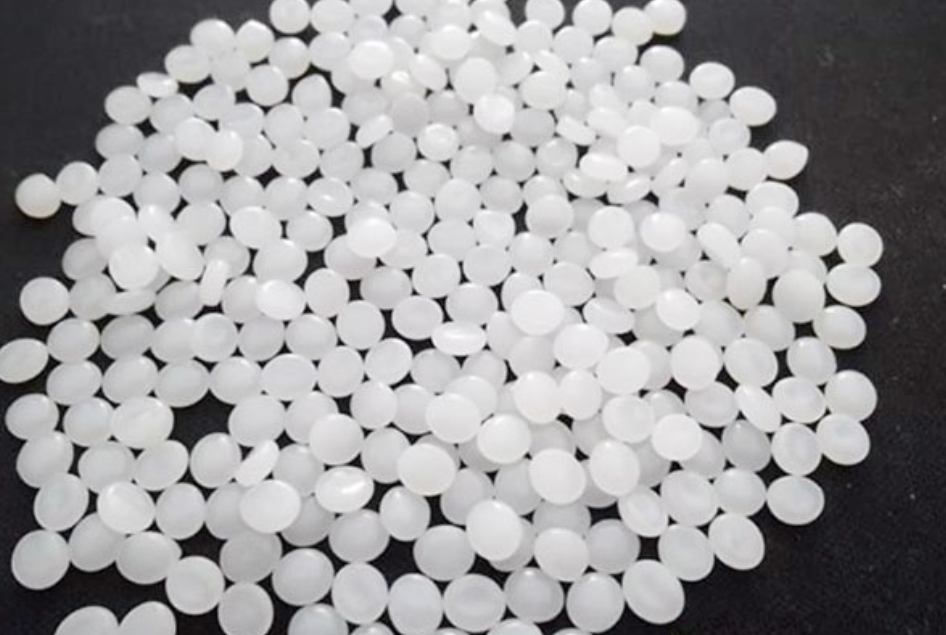
Aligning your strategy with this reality ensures long-term financial stability. Ready to source High Density Polyethylene (HDPE) from verified global suppliers? Explore competitive offers on our platform today.
Sources
https://www.icis.com/explore/resources/news/2026/polyethylene-substitution-patterns-crisis-analysis
https://www.plasticsnews.com/article/2026/hdpe-to-lldpe-film-substitution-volume
https://www.supplychaindive.com/news/2026/polymer-flexibility-based-segmentation-strategy
https://www.chemicalweek.com/business/2026/specification-locked-polyethylene-pricing-power
High Density Polyethylene (HDPE)
Found this useful?