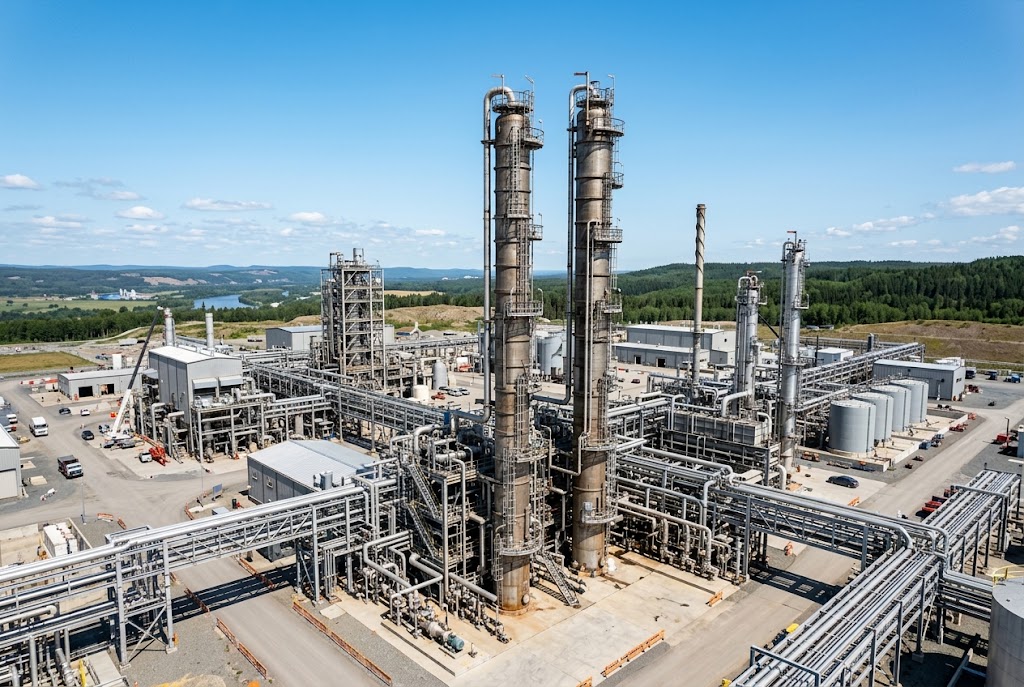
The momentum behind Carbon Capture and Storage (CCS) in the chemical sector hit a significant wall in the first half of 2026. During the March to June crisis period, seven major industry players announced delays to flagship capture projects. Dow, SABIC, BASF, Yara and three Chinese coal-chemical producers collectively paused €4.7 billion in planned investments.
These deferrals represent 8.2 million tons per year of CO2 capture capacity. Originally scheduled for completion in 2027 and 2028, these projects now target 2029 or 2030 timelines. The capital originally earmarked for decarbonization was reallocated to immediate operational needs. Supply chain resilience initiatives, inventory buffering and facility repairs took precedence over long-term climate infrastructure.
For companies with strict 2030 emissions reduction targets, this creates a challenging gap. CCS typically accounts for 15 to 30 percent of total abatement strategies in hard-to-abate sectors. Losing this capacity for two to three years forces procurement and sustainability teams to seek alternative solutions or revise their public commitments.
The Logic Behind Capital Reallocation
The decision to defer CCS projects was not taken lightly. It reflected a strategic prioritization of business continuity over long-term sustainability goals during an acute crisis. The Hormuz disruption exposed vulnerabilities in global supply chains that required immediate financial attention.
Building inventory buffers ensures production continuity when logistics fail. Securing alternative sourcing routes prevents shutdowns due to feedstock shortages. Repairing damaged facilities restores revenue generation capabilities. These activities offer tangible, short-term returns on investment. CCS projects, by contrast, provide long-term regulatory compliance and environmental benefits with delayed financial payoffs.
In a capital-constrained environment, CFOs favored projects with immediate operational impact. The €4.7 billion redirected from CCS helped stabilize operations during a period of extreme uncertainty. While this choice protected short-term viability, it incurred a long-term cost in delayed decarbonization progress.
Major Projects Affected by the Delay
Dow’s Path2Zero initiative in Louisiana represents one of the most significant deferrals. The project aims to capture CO2 from ethylene production using advanced amine-based technology. Its delay removes a major source of low-carbon ethylene from the North American market for several years.
SABIC’s Jubail capture facility in Saudi Arabia faces similar postponement. This project is critical for the kingdom’s broader net-zero ambitions. Its delay affects not only SABIC’s own footprint but also the availability of certified low-carbon polymers for global customers.
BASF’s Ludwigshafen retrofit in Germany involves integrating capture units into existing steam cracker operations. The complexity of brownfield installations makes these projects particularly sensitive to resource constraints. Diverting engineering talent to crisis management slowed progress significantly.
Yara’s Sluiskil ammonia capture project in the Netherlands adds another layer of regional impact. Ammonia production is highly carbon-intensive. Delaying capture capacity here extends the reliance on grey ammonia for European fertilizer markets.
Three Chinese coal-chemical capture projects round out the list. These facilities represent a significant portion of global CCS pipeline volume. Their delay underscores the universal nature of the capital reallocation trend across different geopolitical contexts.
The Abatement Gap for 2030 Targets
Most chemical companies have set 2030 emissions reduction targets aligned with Paris Agreement goals. These plans typically rely on a mix of energy efficiency, fuel switching and carbon capture. CCS often contributes 15 to 30 percent of the required abatement volume because it addresses process emissions that cannot be eliminated through electrification alone.
Deferring 8.2 million tons of annual capture capacity creates a substantial shortfall. Companies must now find alternative ways to bridge this gap. Options include purchasing high-quality carbon offsets, accelerating other abatement projects or revising targets downward. Each option carries distinct risks and costs.
Carbon offsets face increasing scrutiny regarding quality and permanence. Relying heavily on them may attract criticism from stakeholders demanding direct operational reductions. Accelerating other projects requires additional capital and resources that may already be stretched. Revising targets damages credibility and may trigger regulatory penalties in jurisdictions with mandatory reduction laws.
Alternative Abatement Strategies
Procurement teams are exploring alternative abatement purchases to fill the CCS gap. High-integrity carbon removal credits offer one pathway. These credits represent verified removal of CO2 from the atmosphere through methods like direct air capture or enhanced weathering. While expensive, they provide immediate compliance value.
Energy efficiency improvements offer another avenue. Retrofitting plants with more efficient motors, heat exchangers and control systems reduces overall energy demand. Lower energy consumption translates directly to lower emissions. These projects often have faster payback periods than CCS, making them attractive in the current climate.
Fuel switching from coal or oil to natural gas or biogas provides interim relief. While not zero-carbon, these fuels have lower emission factors. Blending hydrogen into existing fuel streams also reduces carbon intensity. These measures buy time while CCS projects remain on hold.
Implications for Supply Chain Partners
Downstream customers relying on low-carbon chemical inputs face supply uncertainties. Brands that marketed products based on reduced carbon footprints may need to adjust their claims. Transparency about supply chain disruptions helps maintain trust but does not eliminate the need for compliant materials.
Procurement contracts may require renegotiation to reflect changed carbon profiles. Buyers expecting CCS-backed low-carbon volumes will receive higher-emission alternatives. Price adjustments or penalty clauses may come into play depending on contract terms. Legal teams must navigate these complexities carefully to avoid disputes.
Collaboration between suppliers and buyers becomes essential. Jointly developing alternative abatement strategies shares the burden and fosters resilience. Industry consortia can pool resources to accelerate shared solutions such as regional carbon transport networks or storage hubs.
Looking Ahead to 2029-2030
The deferred CCS projects are not cancelled. They are postponed. As supply chain stability returns and capital availability improves, these investments will likely resume. The technical designs and permitting processes remain valid. The delay primarily affects financial scheduling and construction timelines.
However, the window for meeting 2030 targets is narrowing. Projects delayed to 2029 or 2030 may miss the deadline entirely if further slippage occurs. Companies must monitor progress closely to ensure timely completion. Any additional delays could force more drastic measures such as asset stranding or major target revisions.
Policy support remains crucial for restarting these projects. Governments may need to offer enhanced incentives to compensate for lost time and increased costs. Tax credits, grants and loan guarantees can improve project economics and encourage renewed commitment.
The Bottom Line for Sustainability Leaders
The €4.7 billion deferral of CCS projects highlights the tension between short-term survival and long-term sustainability. Crisis management necessarily prioritizes immediate operational needs. However, the long-term cost of delayed decarbonization is significant.
Companies must develop more resilient capital allocation frameworks. These frameworks should balance operational resilience with climate commitments. Building flexibility into sustainability plans allows for adaptation during shocks without abandoning core goals.
The abatement gap created by these delays requires creative and proactive management. Alternative strategies can bridge the short-term shortfall but cannot replace the scale of CCS indefinitely. Restarting deferred projects remains the priority for achieving 2030 targets.
Ready to source low-carbon chemicals from verified global suppliers? Explore competitive offers on our platform today.