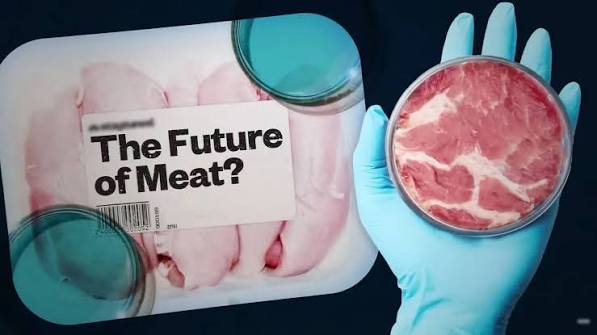
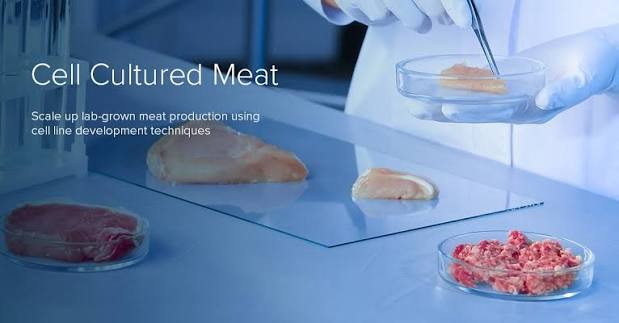
The UK's regulatory approach to cell-cultivated food is becoming more structured, although it is still far from a simple approval pathway. The Food Standards Agency (FSA) and Food Standards Scotland (FSS) have been developing guidance through a Cell-Cultivated Products Sandbox Programme running from February 2025 to February 2027. The program is designed to help regulators understand the technology and provide companies with clearer guidance on how to prepare products for market authorisation.
Guidance Can Reduce Approval Uncertainty
The regulatory developments are significant because companies developing cultivated meat and other cell-based foods have historically faced uncertainty over what evidence regulators require. The FSA's guidance addresses areas including food safety, hygiene, allergenicity and nutritional assessment, giving applicants more clarity when preparing their regulatory dossiers. A dedicated Business Support Service also provides companies with pre- and post-submission support during the authorisation process.
But It Is Not an Automatic Approval
The "green light" remains qualified because the new guidance does not mean cell-cultivated foods can immediately enter the UK market. Products still require authorisation as novel foods, with applicants expected to provide scientific evidence demonstrating safety and addressing nutritional and allergenicity considerations. The FSA and FSS will review applications and can request additional information where gaps or uncertainties remain.
Early Applications Show the Process Is Moving
The pathway is nevertheless beginning to produce tangible regulatory activity. The FSA's current register includes cell-cultivated food applications undergoing assessment, including an application for cell-cultivated duck from Gourmey, which was listed as in progress in August 2026. This suggests the UK is moving beyond simply discussing regulatory frameworks toward actually processing applications under the emerging system.
A Cautious Signal for the Cultivated Food Industry
For the wider cultivated food sector, the UK's approach is an encouraging but measured regulatory signal. The biggest near-term benefit may be greater predictability rather than faster approvals in every case. If the sandbox continues to produce clearer technical requirements and regulators become more familiar with the technology, companies could face fewer avoidable delays when submitting applications. The real test will be whether this framework eventually translates into completed authorisations and commercial market entry.