China's Polyethylene Capacity Jumps Another 16% in 2026 — Who Absorbs the Glut?
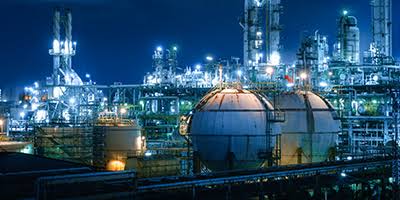
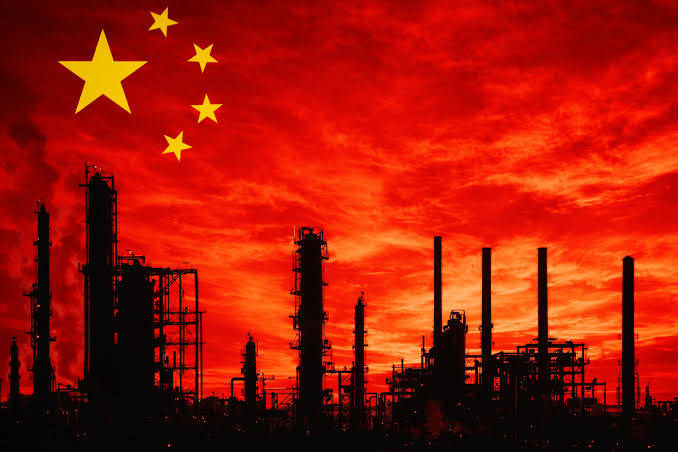
China's polyethylene industry is heading into another major capacity expansion cycle in 2026. Industry estimates indicate that Chinese PE capacity could increase by around 16%, adding millions of tonnes of new production capability to an already heavily supplied market. More recent estimates put new 2026 additions at roughly 6.15–7.29 million tonnes, equivalent to annual capacity growth of about 15–18.5%.
Supply Is Growing Faster Than Demand
The problem is that China's capacity expansion is occurring against a backdrop of already weak industry profitability and excess supply. When new plants increase production faster than domestic consumption, producers are forced to compete more aggressively for customers, reducing operating rates and margins. China's PE production had already been rising rapidly, with January-November 2025 output up 18.85% year over year, adding further pressure to the supply-demand balance.
Exports Could Become the Pressure Valve
One obvious outlet for additional Chinese polyethylene is the international market. If domestic demand cannot absorb the growing production base, Chinese producers have an incentive to increase exports, potentially putting pressure on suppliers across Southeast Asia, Europe and other import-dependent markets. This could make Chinese PE increasingly influential in global pricing and trade flows, while forcing higher-cost producers elsewhere to defend market share.
Even New Projects Are Being Reconsidered
The oversupply concerns are significant enough that some planned capacity additions have been delayed. BASF's 500,000-tonne-per-year polyethylene plant at its Zhanjiang Verbund site was originally scheduled to start in 2025, illustrating how investment timelines are being reassessed amid changing market conditions. At the same time, BASF continues to view its broader Zhanjiang complex as a long-term strategic investment, showing the tension between near-term oversupply and expectations for China's longer-term demand growth.
Who Can Absorb the Extra Supply?
The central question for 2026 is therefore not simply how much polyethylene China can produce, but where the additional material will ultimately go. Domestic consumption would need to accelerate substantially to absorb the new capacity without damaging margins. Otherwise, exports, lower operating rates and production cuts will become increasingly important mechanisms for balancing the market. The impact will extend beyond China as international producers face greater competition from Chinese material.
A Global Test for Polyethylene Producers
China's additional 16% capacity growth highlights a broader structural challenge facing commodity chemicals. Even if global demand continues to expand, demand growth may not be fast enough to offset China's enormous supply additions. This could keep polyethylene prices and producer margins under pressure and encourage further capacity rationalization in regions with higher production costs. For buyers, the resulting oversupply could create competitive sourcing opportunities, but producers will need to closely monitor Chinese operating rates, exports and new project commissioning schedules.
Acrylic Acid (99.5%) - China
Found this useful?