Europe's Vanishing Ethylene Capacity: Seven Crackers, Four Million Tonnes, Gone by 2027
Europe's petrochemical industry is undergoing one of its most significant capacity reductions in decades. Seven ethylene crackers with combined capacity of around 4 million tonnes per year are scheduled to close between 2024 and 2027, according to industry reporting. These closures reflect a structural problem rather than a short-term production adjustment, as European producers struggle with high energy costs, weak demand and competition from newer, lower-cost facilities in China and other regions.
The Closure Timeline Is Accelerating
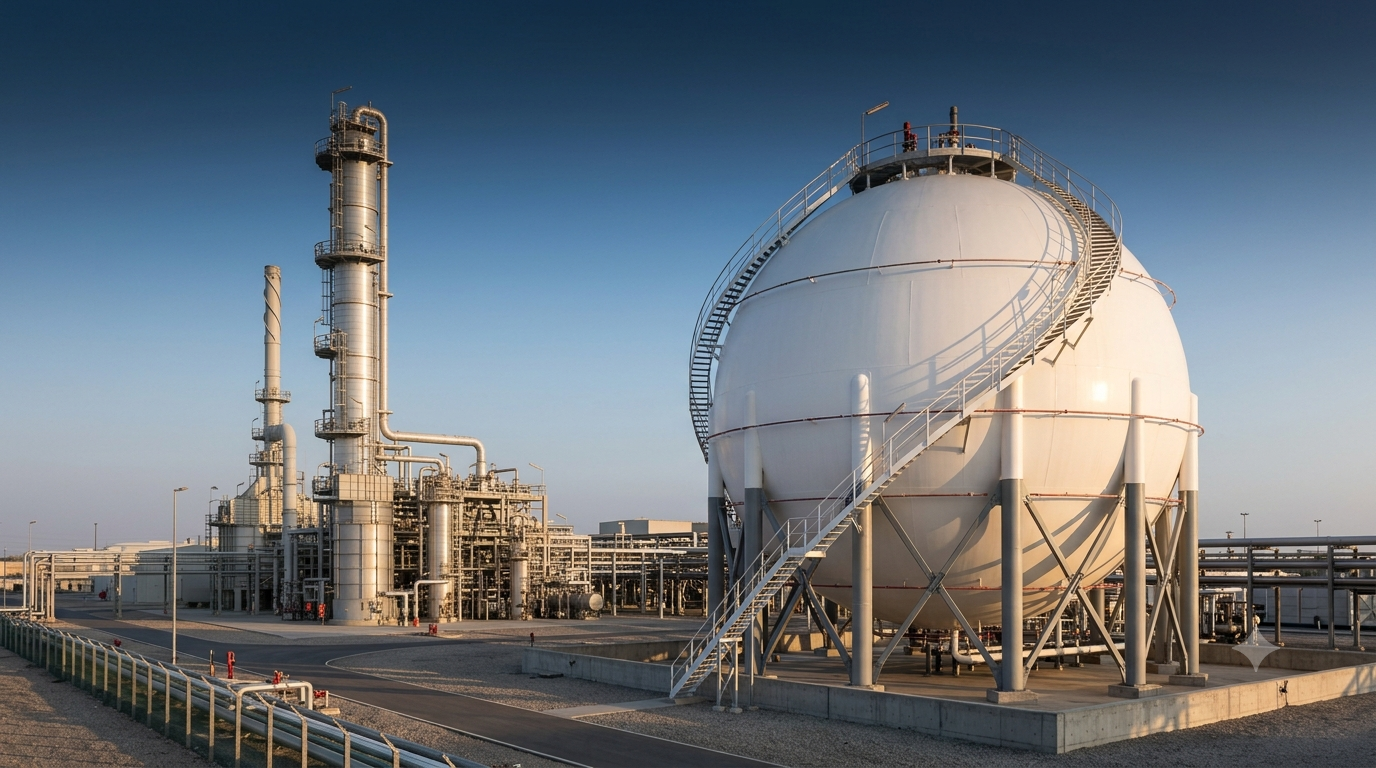
The rationalization has developed across several countries and companies. ExxonMobil's Gravenchon cracker in France and SABIC's Geleen 3 facility in the Netherlands were among the closures announced in 2024. Additional reductions followed, including Versalis' Brindisi and Priolo crackers in Italy, SABIC's UK cracker at Wilton and Dow's Böhlen cracker in Germany. TotalEnergies' oldest Antwerp cracker is also scheduled to close by the end of 2027.
Why Older European Crackers Are Losing Competitiveness
The economics behind the closures are becoming increasingly difficult for traditional European assets. Many European crackers rely heavily on relatively expensive naphtha feedstock, while producers in regions such as the US Gulf Coast and Middle East can benefit from cheaper feedstocks. At the same time, China's rapid expansion has added substantial new ethylene capacity to global markets, increasing competition and limiting the ability of European producers to recover higher operating costs through pricing.
Utilization Rates Are a Major Warning Sign
Low operating rates make the situation even more challenging. European plants have been operating at below 80% utilization, a level that can make many facilities economically difficult to sustain. S&P Global estimates that the closures already announced could remove around 3.3 million tonnes of European ethylene capacity, with another 1.1 million tonnes from Dow and TotalEnergies scheduled for 2027. Even after these closures, however, utilization may struggle to recover substantially because new capacity is also being added.
A New European Cracker Is Moving in the Opposite Direction
The restructuring is not an absolute retreat from ethylene production. INEOS is bringing a new 1.45-million-tonne-per-year ethane cracker in Antwerp, representing one of Europe's largest recent petrochemical investments and a stark contrast to the older assets being retired. The project illustrates where the European industry may be heading: fewer facilities overall, but greater reliance on newer, more efficient and more competitive production technology.
China's Expansion Is Changing the Global Balance
Europe's closures are part of a much wider global restructuring. Around 70% of new global ethylene capacity added between 2020 and 2025 came from China, according to Wood Mackenzie data reported by Chemistry World. As Chinese production expands, Asian markets are also seeing rationalization, meaning Europe's capacity reductions cannot be viewed in isolation. The global industry is increasingly dividing between regions adding large, modern plants and mature markets retiring older and higher-cost capacity.
What the Closures Mean for Europe's Chemical Supply Chain
The loss of around 4 million tonnes of ethylene capacity could eventually increase Europe's dependence on imports of ethylene derivatives and downstream products. Ethylene is a critical building block for polyethylene, ethylene oxide, ethylene glycol and numerous other chemicals, so cracker closures can affect much more than the upstream market. For European manufacturers and buyers, the key issues will be availability, import dependence, pricing and the ability of remaining crackers to operate efficiently as the regional production base becomes smaller.

Ascorbic Acid
Found this useful?