DAP and MAP Procurement Strategy for Australia's Spring Season | ChemicalsBlog.com
Agrochemicals & Fertilizers
schedule4 Min Read
DAP and MAP for Australia’s Spring Season: Building a Smart Procurement Strategy
terminal
prodchem
Jul 9, 2026
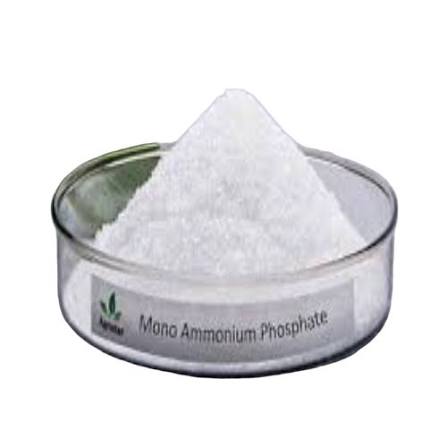
As Australia prepares for its spring planting season, fertilizer procurement enters one of the most important planning periods of the year. Wheat, canola, barley, and pulse growers rely heavily on phosphate fertilizers to establish healthy crops, making timely sourcing of Diammonium Phosphate (DAP) and Monoammonium Phosphate (MAP) essential.
For procurement professionals, July and August are critical months for securing supply before seasonal demand accelerates. Monitoring international pricing benchmarks, supplier availability, and global trade flows can help buyers make informed purchasing decisions while reducing supply chain risk.
Why DAP and MAP Are Essential
DAP and MAP are among the world's most widely used phosphate fertilizers.
Both products provide phosphorus, a nutrient essential for:
Root development
Early plant establishment
Energy transfer within plants
Flowering and seed formation
Improved crop vigor
DAP also supplies nitrogen, making it suitable for a wide range of broadacre cropping systems.
Australia's spring cropping season generates strong demand for phosphate fertilizers, particularly in major grain-producing regions.
Common crops include:
Wheat
Canola
Barley
Oats
Pulses
Because fertilizer applications begin well before planting, procurement decisions are typically finalized during July and August to ensure product availability when field operations commence.
Global Supply Influences
Australia sources phosphate fertilizers from several international producers, making global market developments particularly important.
Factors influencing supply include:
International production levels
Shipping availability
Freight costs
Export capacity
Currency movements
Seasonal demand from other agricultural regions
Monitoring these variables allows procurement teams to anticipate potential supply constraints.
Why Pricing Benchmarks Matter
International fertilizer tenders often serve as valuable market reference points for buyers.
Benchmark pricing helps procurement teams:
Compare supplier quotations
Evaluate market competitiveness
Support contract negotiations
Improve purchasing transparency
Forecast seasonal fertilizer costs
Using established market references creates a more structured approach to supplier evaluation.
Building a Diversified Procurement Strategy
Rather than relying on a single supplier or region, procurement professionals can strengthen resilience through diversified sourcing.
A balanced strategy may include:
Multiple Supply Origins
Maintaining qualified suppliers across different producing regions reduces exposure to localized disruptions.
Early Contract Negotiations
Securing agreements before seasonal demand peaks may improve planning certainty and supply availability.
Market Price Monitoring
Tracking international fertilizer prices helps buyers identify favorable purchasing opportunities.
Flexible Delivery Scheduling
Staggered deliveries can improve inventory management while reducing warehouse pressure.
Evaluating Suppliers
Selecting fertilizer suppliers involves more than comparing prices.
Procurement teams should assess:
Product quality consistency
Production capacity
Delivery performance
Technical support
Documentation quality
Supply reliability
Export experience
Long-term supplier relationships often contribute to stronger operational performance.
Risk Management Considerations
Agricultural supply chains remain exposed to multiple sources of uncertainty.
Potential risks include:
Shipping disruptions
Freight cost fluctuations
Weather-related logistics
Currency volatility
Seasonal demand spikes
Regulatory changes
Diversified procurement and proactive planning help minimize these risks.
Best Practices for Procurement Teams
Organizations preparing for Australia's spring season should consider:
Beginning procurement planning early.
Comparing quotations from multiple suppliers.
Reviewing inventory requirements carefully.
Monitoring freight and shipping developments.
Maintaining flexible purchasing strategies.
Strengthening communication with logistics providers.
These practices improve supply continuity while supporting efficient inventory management.
Long-Term Outlook
Australia's demand for phosphate fertilizers is expected to remain closely linked to grain production, seasonal weather conditions, and international agricultural markets. As global fertilizer trade continues to evolve, procurement professionals will benefit from combining market intelligence with diversified sourcing strategies and disciplined purchasing practices.
Rather than relying solely on short-term price movements, successful procurement teams will focus on supplier reliability, logistics performance, quality assurance, and long-term commercial partnerships to secure consistent fertilizer supply for future growing seasons.
Key Takeaways
DAP and MAP remain essential phosphate fertilizers for Australia's spring cropping season.
Early procurement planning supports reliable product availability before peak seasonal demand.
International pricing benchmarks help buyers evaluate supplier competitiveness and negotiate contracts.
Diversified sourcing strengthens resilience against supply chain disruptions.
Long-term supplier relationships and continuous market monitoring improve procurement outcomes.