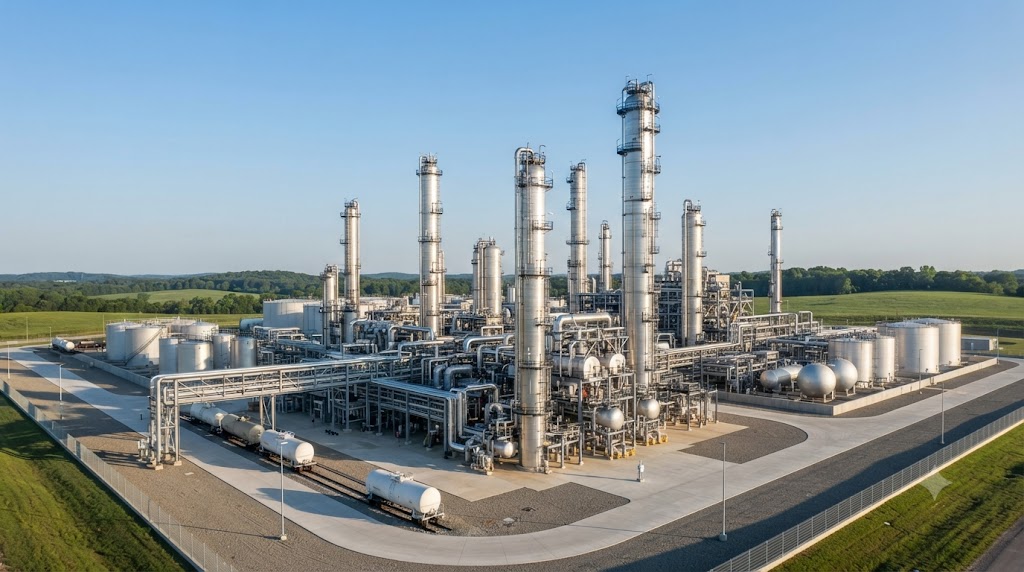
Eastman’s Improved Guidance Signals a Modest Shift in Agrochemical Intermediate Costs
Eastman’s improved full-year outlook and stronger confidence in second-half growth provide a modestly positive signal for agrochemical intermediate costs, particularly for buyers watching specialty chemical supply conditions. The development does not point to an immediate cost decline, but it suggests that operating conditions across parts of the specialty chemical chain may become more supportive.
For agrochemical manufacturers, formulators, traders and procurement teams, the significance lies in what stronger specialty chemical performance can mean for availability, production economics and supplier confidence. When major chemical producers see better second-half conditions, buyers gain another market signal to consider alongside feedstock prices, plant utilization, freight costs and regional demand.
The impact will differ across individual intermediates, but the broader message is relevant: procurement strategies should track improving producer sentiment before making assumptions about future input costs.
Eastman’s Guidance Matters for Agrochemical Procurement
Eastman’s improved full-year outlook creates a useful market indicator for specialty chemical buyers. Its confidence in second-half growth suggests that demand and operating conditions have strengthened enough to support a more constructive view of the remainder of the year.
That matters because agrochemical intermediates sit within a broad chemical value chain. Producers often depend on specialty chemical suppliers for materials that influence synthesis, formulation and downstream manufacturing economics.
A stronger outlook from a major specialty chemical producer can influence procurement decisions in several ways:
Supplier confidence may improve, encouraging producers to maintain or increase operating activity when market conditions support it.
Availability expectations can become more stable, giving buyers greater visibility when planning purchases for upcoming production cycles.
Pricing negotiations may change, particularly if suppliers become less willing to offer deep discounts during periods of improving demand.
Inventory strategies may shift, with buyers potentially balancing the risk of higher replacement costs against the cost of holding additional stock.
For traders, these signals can also provide useful context when assessing offers from producers and distributors across different regions.
Why Specialty Chemical Conditions Affect Intermediate Costs
Agrochemical intermediate costs do not move independently from the wider specialty chemical market. Production economics depend on multiple variables, including raw material availability, energy expenses, manufacturing utilization, logistics and downstream demand.
When producers experience stronger market conditions, the effect on prices can move in different directions. Higher utilization can improve production efficiency and supply reliability, but stronger demand can also support firmer prices.
For procurement teams, this makes producer guidance more valuable as an early market signal rather than a direct price forecast. Eastman’s improved outlook therefore deserves attention as part of a broader assessment of chemical cost conditions.
The key factors to monitor include:
Feedstock availability and pricing across major chemical production regions.
Plant operating rates and planned maintenance among intermediate suppliers.
Demand from crop protection manufacturers and other downstream industries.
Freight, energy and storage expenses that influence delivered costs.
Regional differences between Asian, European and North American supply markets.
Second-Half Growth Could Influence Supplier Behaviour
A more confident second-half outlook can affect how chemical producers approach inventory and commercial negotiations. Suppliers operating in a stronger demand environment may have less incentive to compete aggressively for every order.
For buyers, this can create an important distinction between market stability and lower prices. A healthier specialty chemical environment may improve availability without necessarily producing a significant reduction in the cost of individual intermediates.
This distinction is particularly important for agrochemical manufacturers that purchase materials on recurring schedules. A procurement strategy based only on expectations of lower prices could leave buyers exposed if suppliers become more confident and replacement costs rise.
Instead, procurement teams can use improving supplier sentiment to reassess purchasing horizons, supplier diversification and contract structures.
What Traders Should Watch Across the Chemical Supply Chain
Eastman’s outlook represents one signal within a much larger chemical market. Traders should compare producer guidance with physical market indicators before drawing conclusions about the direction of specific agrochemical intermediates.
A useful monitoring framework includes:
Production: Changes in plant utilization can affect the amount of material available to the market and influence supplier lead times.
Feedstocks: Costs for upstream chemical inputs can shape the economics of intermediate production even when downstream demand remains stable.
Demand: Crop protection production cycles can create periods of stronger or weaker purchasing activity, affecting both spot demand and contract negotiations.
Logistics: Freight rates, container availability and regional shipping conditions can change the delivered cost of an intermediate even when the ex-works price remains stable.
Inventory: Buyer and distributor inventories can determine whether stronger producer sentiment translates quickly into physical market pricing or takes longer to appear.
These variables can produce different outcomes across individual products, so buyers should avoid treating a positive specialty chemical signal as a universal price direction.
Procurement Strategies for a More Constructive Market
A modestly positive market signal gives procurement teams an opportunity to review purchasing plans before conditions become more competitive. The objective should not necessarily be to build large inventories, but to improve visibility and reduce exposure to unexpected supply or cost movements.
Buyers can consider several practical actions:
Review near-term requirements: Match planned purchases with actual production schedules instead of relying solely on historical consumption.
Compare multiple supply regions: Regional diversification can reduce exposure to disruptions affecting a single manufacturing hub.
Monitor replacement costs: Current inventory may have been purchased under different market conditions, making replacement economics important for future budgeting.
Strengthen supplier communication: Regular discussions can provide early indications of lead-time changes, production adjustments and upcoming maintenance.
Separate market signals by product: Different intermediates can respond differently to the same specialty chemical trend.
This approach allows buyers to use Eastman’s improved outlook as one input in a broader procurement model rather than treating it as a direct forecast for every agrochemical raw material.
Implications for Agrochemical Intermediate Pricing
The connection between specialty chemical performance and agrochemical intermediate costs is strongest when production chains overlap through common feedstocks, manufacturing capacity or supplier networks. However, the relationship is not necessarily immediate.
A stronger second-half environment could support improved utilization and supply consistency in some parts of the specialty chemical sector. At the same time, stronger demand could increase competition for selected materials and place upward pressure on prices.
For buyers, the most important question is therefore not simply whether prices will rise or fall. It is whether the balance between supply, demand and production economics is changing enough to alter purchasing conditions.
A modestly positive signal can mean that suppliers gain greater pricing confidence. That possibility becomes more relevant when buyers need dependable supply for seasonal agrochemical production schedules.
Regional Sourcing Could Become More Important
Global procurement teams should also consider how regional supply structures affect the transmission of broader specialty chemical trends. A stronger outlook from a major producer does not affect every market equally.
Asian suppliers may face different feedstock, energy and export conditions than producers in Europe or North America. Freight economics can further widen the difference between nominal product prices and the final delivered cost for an agrochemical manufacturer.
For importers and exporters, this creates opportunities to compare landed costs rather than headline offers. A supplier offering a lower nominal price may not provide the most competitive transaction once freight, insurance, duties, handling and delivery times enter the calculation.
Regional diversification also gives buyers greater flexibility if one production area experiences maintenance, logistical constraints or unexpected demand.
How Agrochemical Buyers Can Read the Signal
Eastman’s improved guidance should be viewed as a market confidence indicator, not as a standalone pricing forecast. Its importance comes from the broader message that second-half conditions may offer more support to specialty chemical producers than previously expected.
That message can influence purchasing behaviour before it becomes visible in transaction prices. Suppliers may adjust inventory policies, production plans or negotiation strategies in anticipation of healthier demand.
Procurement managers should therefore combine corporate guidance with direct market intelligence. Supplier quotations, lead times, inventory levels and regional trade flows can help determine whether improving sentiment is translating into actual changes in intermediate costs.
For chemical traders, the same approach can help identify where procurement demand may strengthen and where buyers may become more cautious about future replacement costs.
The Bottom Line for Agrochemical Procurement Teams
Eastman’s improved full-year outlook and confidence in second-half growth provide a modestly positive signal for the specialty chemical environment surrounding agrochemical intermediate costs. The development suggests that buyers should pay close attention to changing supplier confidence, production conditions and downstream demand as the second half progresses.
The signal does not mean that every agrochemical intermediate will experience the same pricing movement. Instead, it highlights the importance of monitoring the wider specialty chemical cycle and understanding how changes in producer sentiment can influence availability, negotiations and replacement costs.
For procurement managers, the most effective response is disciplined market monitoring combined with diversified sourcing. Buyers that maintain visibility across suppliers, regions and cost drivers will be better positioned to react if improving specialty chemical conditions translate into firmer procurement markets.
Ready to source Maleic Anhydride from verified global suppliers? Explore competitive offers on our platform today.
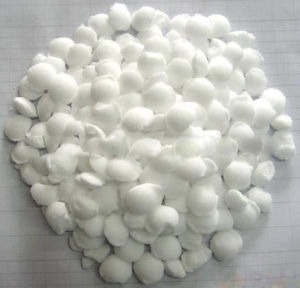
Maleic Anhydride
Found this useful?