Inside NEOM’s $8 Billion Green Hydrogen Complex Nearing Completion
An $8 billion green hydrogen complex in NEOM is moving toward one of the most closely watched production milestones in the clean energy industry. The Air Products, ACWA Power and NEOM joint venture is targeting production by mid-2027, while a 30-year ammonia offtake agreement with Air Products provides a long-term commercial route for output.
The scale matters for chemical traders, procurement teams and industrial buyers because the project connects renewable power, hydrogen production and ammonia supply in one integrated development. At a time when several large clean energy projects have faced delays or cancellations, the NEOM development stands out as a major project that continues to progress toward completion.
Why NEOM’s Green Hydrogen Project Matters to Chemical Markets
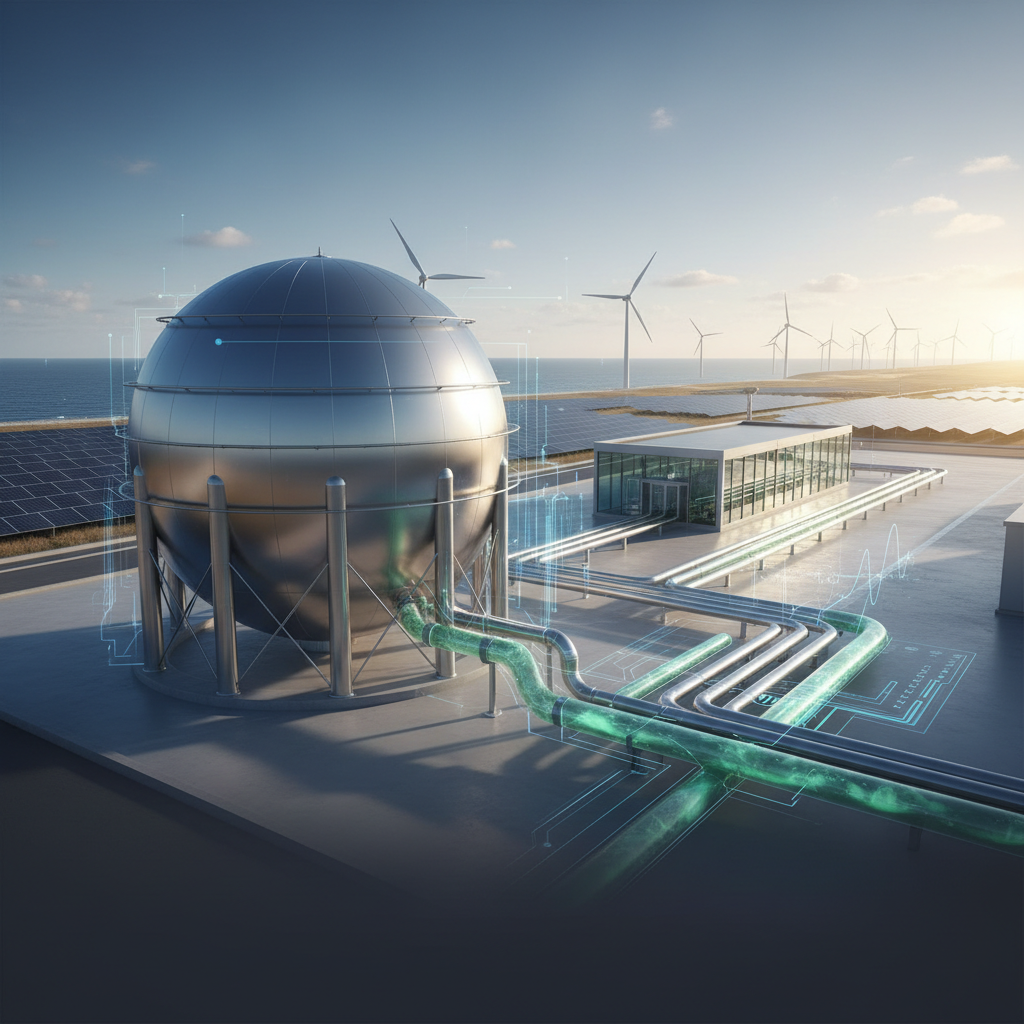
The NEOM complex represents a different model from small-scale hydrogen demonstration projects. Its commercial structure combines renewable electricity generation with hydrogen production and downstream ammonia conversion, creating an integrated supply chain designed for international markets.
For buyers, the importance extends beyond the headline investment. Green hydrogen can support lower-carbon industrial processes, while ammonia provides a practical way to store, transport and trade hydrogen-derived energy across borders.
The project also demonstrates how long-term commercial commitments can support capital-intensive chemical infrastructure. A 30-year ammonia offtake agreement gives the development a defined market pathway rather than leaving future production entirely dependent on short-term spot demand.
How the $8 Billion Complex Is Designed for Large-Scale Production
The project brings together three major partners with complementary roles in the development. Air Products, ACWA Power and NEOM are working through their joint venture to establish a large integrated green hydrogen production facility.
The commercial architecture is particularly relevant for industrial procurement because the project does not treat hydrogen as an isolated product. Instead, hydrogen production connects directly with ammonia manufacturing, allowing the output to enter an established global commodity network.
Several elements make the development commercially significant:
Integrated production: Renewable power and hydrogen production operate within a coordinated industrial system, supporting large-scale output rather than a limited pilot operation.
Ammonia conversion: Converting hydrogen into ammonia creates a product that can move through established international chemical and energy supply chains.
Long-term offtake: The 30-year agreement with Air Products provides a substantial commercial commitment for ammonia production.
Large investment scale: The approximately $8 billion development reflects the capital requirements involved in building industrial-scale green hydrogen infrastructure.
For chemical buyers, this structure could eventually create new sourcing channels for low-carbon ammonia while also strengthening the commercial case for hydrogen-based industrial supply.
The Mid-2027 Production Target Is the Key Milestone
The next major test for the project is production. The partners are targeting operations by mid-2027, putting the development on a timeline that procurement teams and energy-intensive manufacturers will be watching closely.
A successful start would have implications beyond NEOM. It would provide an important reference point for other developers considering similarly large hydrogen and ammonia projects, particularly where financing depends on long-term offtake commitments.
The timing also matters because the global clean energy market has become more selective. Developers now face greater pressure to demonstrate that major projects can move from ambitious announcements into operating industrial assets.
Why the Long-Term Ammonia Offtake Changes the Commercial Picture
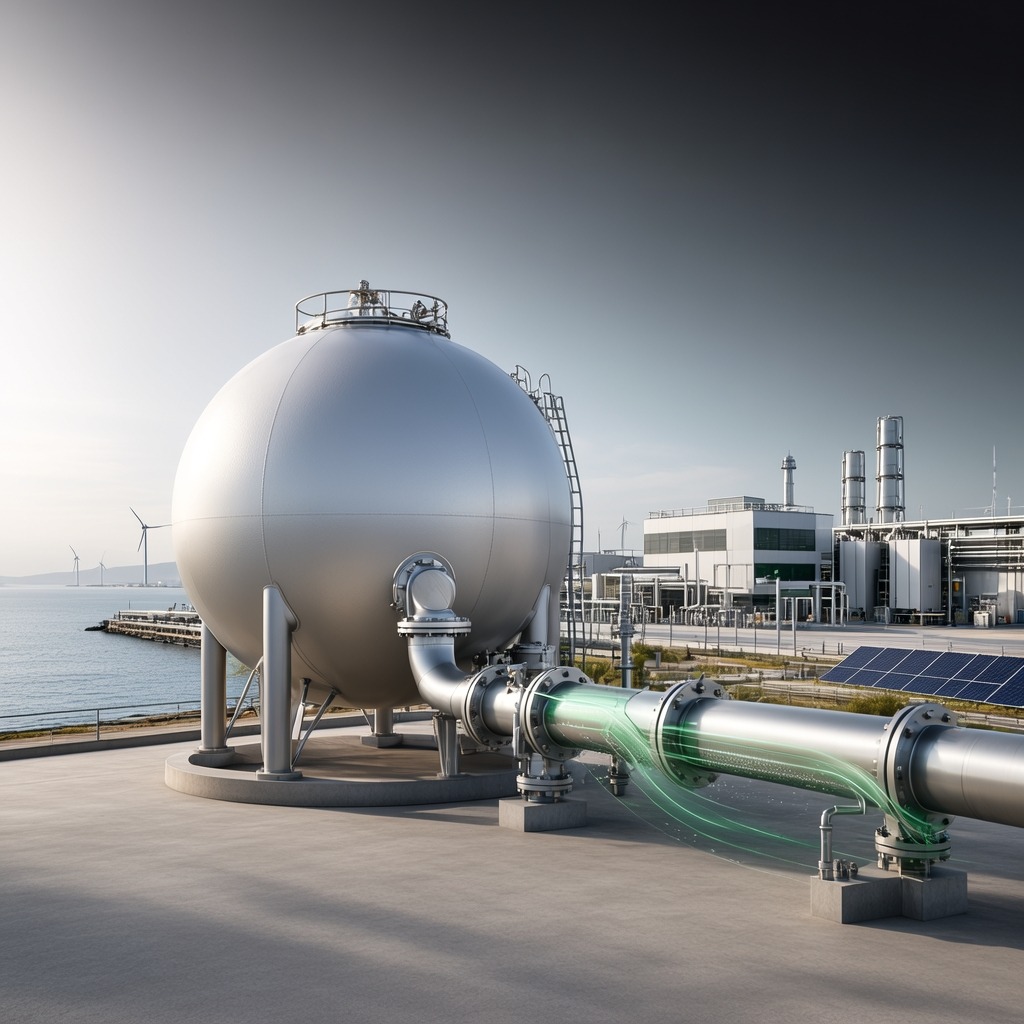
Ammonia plays a central role in the project's commercial strategy. Hydrogen presents transportation and storage challenges, while ammonia already has established infrastructure, international trading routes and industrial applications.
The 30-year offtake agreement with Air Products therefore gives the project a direct connection to a long-term buyer. For traders and procurement managers, this highlights an important principle in commodity markets: large new production capacity becomes more commercially credible when future output already has a committed route to market.
The arrangement could also influence future negotiations between hydrogen producers and industrial consumers. Buyers evaluating green ammonia may increasingly seek long-term supply arrangements that provide greater visibility over volumes, pricing structures and carbon characteristics.
What the Project Could Mean for Global Green Hydrogen Supply
NEOM’s development arrives during a period when the hydrogen sector is separating projects with strong commercial foundations from projects that remain dependent on future market conditions. The complex's continued progress gives the sector a major industrial-scale reference case.
If production begins as targeted, the project could help demonstrate that green hydrogen can move beyond demonstration facilities and into large commodity-oriented production. That would be particularly relevant to industries seeking alternatives to conventional hydrogen produced from fossil-based feedstocks.
Potential market effects include:
More confidence in large-scale green hydrogen developments with established offtake arrangements.
Greater availability of ammonia produced from renewable hydrogen.
New international sourcing opportunities for buyers seeking lower-carbon chemical feedstocks.
Increased competition among producers developing hydrogen and ammonia projects for export markets.
Greater attention to long-term supply contracts as a mechanism for supporting new production capacity.
For chemical traders, the emergence of large export-oriented projects could eventually expand the range of origin markets available for ammonia procurement.
Procurement Considerations for Green Hydrogen and Ammonia Buyers
Procurement teams should view projects such as NEOM through both a product and supply-chain lens. The availability of green hydrogen or green ammonia depends not only on production capacity but also on infrastructure, contracts, logistics and the ability to deliver consistent industrial volumes.
Buyers assessing future supply should pay particular attention to:
Origin and production pathway: Buyers increasingly need to understand how hydrogen and ammonia were produced and what renewable energy inputs support the process.
Contract structure: Long-term offtake arrangements can secure supply but may reduce flexibility compared with spot purchasing. Procurement strategies should balance security of supply with market responsiveness.
Logistics: Ammonia can move through established maritime and industrial infrastructure, making it a more practical tradable form of hydrogen-derived energy for many international buyers.
Volume reliability: Large industrial consumers need dependable deliveries. The transition from project construction to sustained commercial operations will therefore remain critical.
Price competitiveness: Green production must compete with conventional supply while also meeting increasingly important environmental procurement requirements.
These factors will shape how quickly green hydrogen and ammonia become routine procurement categories rather than specialist products.
Why NEOM Stands Out Amid Green Energy Project Cancellations
The hydrogen industry has seen an ambitious pipeline of projects, but not every proposal has progressed as originally planned. Financing challenges, uncertain demand, infrastructure requirements and changing economic conditions have forced developers in some markets to reconsider large projects.
Against that backdrop, the NEOM development offers a notable contrast. Its progress toward completion, combined with the long-term ammonia offtake agreement, gives the project a stronger commercial framework than projects that rely solely on anticipated future demand.
For investors and industrial buyers, this distinction matters. A project that combines production infrastructure with a defined commercial customer can provide a clearer path from capital investment to commodity sales.
The phrase "megaproject that's actually working" captures the significance of that progress. If the mid-2027 production target is achieved, the project could become an important benchmark for evaluating the execution risk of future hydrogen developments.
How Green Hydrogen Could Reshape Ammonia Trading
The relationship between hydrogen and ammonia could become increasingly important for global chemical trade. Ammonia already moves through international markets at significant industrial scale, while renewable hydrogen creates the potential for a lower-carbon production route.
For traders, this could create a new layer of differentiation within the ammonia market. Buyers may increasingly compare conventional ammonia with renewable-origin alternatives based not only on price but also on production pathway, carbon intensity and contractual guarantees.
That shift could encourage new trading strategies around certified low-carbon products. It may also increase demand from fertilizer producers, industrial users and energy companies seeking to reduce the emissions associated with conventional hydrogen and ammonia production.
Looking Ahead to 2027 and Beyond
The mid-2027 production target places NEOM at an important point in the development of the global green hydrogen market. Successful commissioning would give chemical and energy buyers a major new reference for evaluating the scale, reliability and commercial viability of integrated renewable hydrogen and ammonia production.
For procurement teams, the main lesson is that supply development should be monitored well before commercial production begins. Long-term agreements, origin diversification and early engagement with producers can become increasingly important as industrial demand for lower-carbon chemical supply grows.
NEOM’s progress also illustrates how integrated projects can connect renewable energy with established chemical commodities. If the complex reaches production as planned, it could strengthen the role of green ammonia in international trade and provide a clearer commercial pathway for large-scale green hydrogen.
Ready to source green hydrogen from verified global suppliers? Explore competitive offers on our platform today.
Ammonia Anhydrous
Found this useful?