Kearney’s 2026 M&A Outlook Signals More Food-Adjacent Chemical Deals
Kearney’s 2026 M&A outlook points to a market where smaller transactions could become increasingly important, rather than allowing deal activity to concentrate only around major corporate acquisitions. That shift matters for food-adjacent chemical markets, where ingredient suppliers and specialty additive businesses can offer strategic access to formulations, customers, technology and regional distribution.
For chemical traders and procurement teams, more small-to-mid-size transactions can change competitive dynamics without immediately creating dramatic changes in global supply. A manufacturer, distributor or specialty ingredient producer can gain a new owner, enter a new market or alter its product portfolio through a transaction that receives far less attention than a billion-dollar deal. Kearney’s 2026 chemicals M&A report also highlights bolt-on activity and portfolio reshaping as important deal mechanisms.
Why Small-to-Mid-Size Chemical Deals Matter
Large chemical acquisitions often dominate headlines, but smaller transactions can have a more direct impact on individual product categories. A specialist business may control a narrow portfolio of additives, formulation ingredients or processing chemicals that serve a loyal customer base.
Food-adjacent chemical companies can attract buyers because they combine technical know-how with established customer relationships. This makes a relatively small acquisition strategically valuable even when the acquired company does not have the scale of a major multinational.
For buyers, the appeal may include:
Portfolio expansion: An acquisition can add complementary ingredients or specialty additives without requiring the buyer to build the capability internally.
Market access: Local suppliers can provide entry into regional food, beverage or industrial markets where regulatory knowledge and customer relationships matter.
Technical expertise: Specialty chemical businesses often bring formulation knowledge that can take years to develop organically.
Distribution reach: A transaction can connect manufacturers with established distributors, importers and downstream customers.
Kearney’s broader 2026 chemicals outlook describes continued bolt-on transactions, including deals involving additives and specialty distribution.
Food Ingredients and Specialty Additives Could Attract Strategic Buyers
Food-adjacent chemicals sit at an interesting point between commodity markets and specialty products. Some materials compete heavily on cost and availability, while others depend more on purity, consistency, technical performance and regulatory acceptance.
That combination can make selected businesses attractive acquisition targets. A company selling a familiar ingredient may appear small from a corporate perspective but still hold significant value through customer qualification, formulation relationships and specialized production capabilities.
Products such as sodium benzoate, citric acid, sorbitol, lactic acid and food-grade phosphates illustrate the broad territory surrounding food-related chemical supply. Buyers may also look beyond individual products toward businesses that provide several complementary ingredients or technical services.
This creates opportunities for strategic investors to pursue bolt-on acquisitions, where an existing company adds a smaller business that strengthens its current portfolio.
What Is Driving Food-Adjacent Chemical M&A Activity?
The expected increase in smaller transactions reflects several commercial pressures. Chemical companies continue to assess where they can generate stronger margins, reduce complexity and build positions in markets with better long-term growth prospects.
Portfolio discipline also plays a role. Companies may sell businesses that no longer fit their strategic priorities while acquiring specialized operations that support higher-value segments.
Several factors can influence deal activity:
Margin pressure: Businesses may seek higher-value specialty products to offset pressure in more commoditized chemical markets.
Portfolio optimization: Sellers can release capital by divesting non-core operations while buyers can add targeted capabilities.
Regional expansion: Acquiring an established local producer or distributor can provide faster access to customers than building a new network.
Supply chain strategy: Ownership of strategically important production or distribution assets can improve control over supply.
Customer proximity: Buyers can strengthen relationships by acquiring businesses positioned close to key food and ingredient markets.
Kearney describes portfolio reshaping and operational execution as major themes in the 2026 chemicals M&A environment, reinforcing the importance of strategic fit rather than deal size alone.

How M&A Can Change Chemical Supply Chains
An acquisition does not automatically change the physical flow of a chemical, but it can change who controls that flow. Ownership changes can affect production priorities, distributor relationships, sourcing policies and investment decisions.
Procurement teams should therefore monitor ownership changes even when their existing supplier continues operating under the same name. A new parent company may consolidate manufacturing, change raw material sourcing or adjust its regional sales strategy.
Potential supply chain effects include:
Supplier consolidation: A buyer may combine overlapping production assets or distribution networks.
Portfolio rationalization: Some low-volume products may receive less attention if they do not fit the new owner’s strategy.
New sourcing channels: A transaction can open access to alternative origins or distribution routes.
Capacity investment: A financially stronger owner may expand production or improve manufacturing infrastructure.
Contract changes: Commercial terms, minimum order quantities or payment conditions can shift after ownership changes.
These effects matter particularly for buyers that rely on qualified suppliers for food-grade chemicals. A seemingly small corporate transaction can eventually influence availability, lead times or sourcing options.
What Chemical Traders Should Watch in 2026
For chemical traders, increased small-to-mid-size M&A activity creates both opportunities and risks. Newly acquired businesses may expand their product portfolios, enter new export markets or seek additional distribution partners.
Traders can benefit by tracking companies that have recently changed ownership and identifying where the new parent company may want to expand. This can reveal potential demand for distributors, importers and regional sales partners.
At the same time, buyers should avoid assuming that every acquisition will create immediate supply disruption. The more useful approach involves monitoring specific commercial signals.
Key indicators include:
Changes in supplier ownership or corporate structure.
New distribution agreements following an acquisition.
Changes in manufacturing locations or product portfolios.
New export activity from previously regional suppliers.
Adjustments to minimum order quantities or lead times.
Increased focus on specialty food additives and higher-purity products.
This kind of monitoring can help procurement teams distinguish between routine corporate restructuring and changes that could materially affect their sourcing strategy.
Procurement Risks Rise When Supplier Ownership Changes
Procurement teams should treat M&A activity as part of supplier risk management. A supplier can remain operational while its commercial priorities shift significantly under new ownership.
For food-related applications, buyers often need more than a competitive price. They may require stable specifications, documentation, traceability, consistent quality and reliable delivery schedules.
A change in ownership can introduce uncertainty around these factors. Procurement teams should review whether the supplier maintains:
Consistent product specifications and quality standards.
Reliable documentation for food-grade applications.
Stable production and export capacity.
Clear communication about ownership and manufacturing changes.
Adequate backup supply options.
Building a second source can become particularly valuable when a niche ingredient comes from a limited number of qualified suppliers. A diversified sourcing strategy can reduce dependence on one producer or one geographic origin.
Why Specialty Distribution Could Gain From More Deals
Specialty distribution may become one of the more interesting areas as companies pursue smaller acquisitions. Kearney’s 2026 chemicals report specifically points to bolt-on activity involving additives and specialty distribution, reflecting the strategic value of customer access and regional capabilities.
A distributor can provide more than logistics. It may hold technical relationships with customers, understand local regulatory requirements and maintain inventory positions that support faster delivery.
For manufacturers, acquiring or partnering with such a business can shorten the path into a new market. For traders, it can create opportunities to represent newly acquired product lines or connect buyers with suppliers looking for additional channels.
This could support greater movement across borders as chemical companies pursue growth through targeted regional expansion rather than relying solely on large greenfield investments.
What Buyers Should Do Now
The expected rise in small-to-mid-size food-adjacent chemical deals gives procurement teams a reason to strengthen supplier intelligence before transactions create sourcing pressure. Buyers do not need to predict every acquisition, but they can prepare for the commercial changes that may follow.
A practical approach starts with mapping critical ingredients and identifying where supplier concentration creates exposure. Procurement teams can then establish alternative sources before they need them.
For buyers, the priorities should be:
Track supplier ownership: Monitor major suppliers, distributors and specialty ingredient businesses for strategic changes.
Map alternatives: Maintain qualified options for important food additives and formulation chemicals.
Review specifications: Keep technical requirements current so alternative suppliers can be evaluated quickly.
Monitor regional supply: Compare production origins, freight routes and distributor coverage.
Build commercial flexibility: Avoid excessive dependence on one supplier when practical alternatives exist.
For chemical traders and exporters, the same M&A trend can create a commercial opportunity. Newly acquired businesses may need new customers, distributors and regional partners as their owners pursue growth.
Kearney’s 2026 outlook suggests that the chemicals M&A market will reward selective transactions and operational execution rather than deal volume alone. For food-adjacent chemical markets, that means procurement teams should watch smaller transactions just as closely as headline acquisitions.
The market impact may not appear immediately in benchmark prices. It may emerge gradually through supplier consolidation, product portfolio changes, distribution shifts and new regional trade flows.
For buyers, that makes supplier intelligence increasingly important. Companies that understand who owns critical supply, where products originate and which alternatives are available will have more flexibility when market structures change.
Ready to source Sodium Benzoate from verified global suppliers? Explore competitive offers on our platform today.
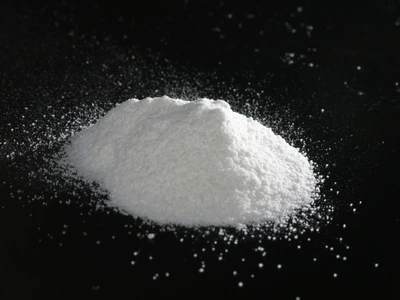
Sodium Benzoate (E211)
Found this useful?